Designing a modern homestead requires careful planning to maximize productivity, sustainability, and comfort. As more people embrace modern homesteading homestead layout ideas, the focus shifts to creating spaces that support self-sufficiency while making daily routines easier and more efficient. Whether you’re starting from scratch or improving an existing property, the right layout can make a significant difference in how smoothly your homestead operates.
From zoning your land for different uses to integrating renewable energy and smart water management, today’s homesteaders have access to a wealth of strategies and resources. If you’re working with limited acreage or want to make the most of your backyard, you’ll find practical advice in this modern homesteading for small spaces guide, which covers creative solutions for compact sites.
Principles of Efficient Modern Homesteading Layouts
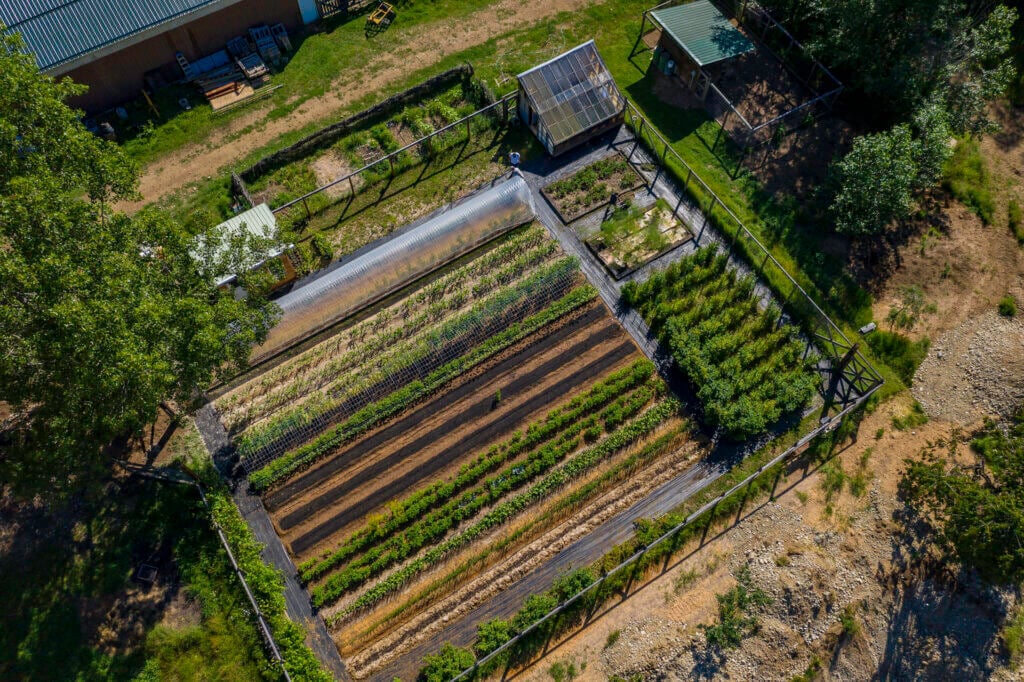
The foundation of a productive homestead is a well-organized layout. Modern approaches combine traditional wisdom with new technologies and design concepts. Here are some key principles to consider:
- Zone Planning: Divide your property into zones based on how often you use each area. Place high-traffic spaces, like gardens and animal shelters, close to your home for easy access.
- Workflow Optimization: Arrange structures and pathways to minimize unnecessary movement. For example, situate your compost bin near both the kitchen and the garden.
- Resource Efficiency: Use natural features, such as slopes for gravity-fed irrigation or windbreaks for shelter, to reduce energy and labor needs.
- Flexibility: Design spaces that can adapt as your needs change, such as multi-purpose sheds or modular garden beds.
Key Elements for Productive Homestead Design
Every homestead is unique, but certain elements are common to most efficient layouts. By thoughtfully arranging these features, you can streamline daily chores and support year-round productivity.
Centralized Living and Work Areas
Keep your home, workshop, and main storage areas close together. This reduces time spent walking between buildings and makes it easier to manage tasks like food preservation, equipment maintenance, and animal care.
Strategic Garden Placement
Locate your vegetable gardens and perennial beds within easy reach of the kitchen. This encourages frequent harvesting and makes it simple to compost kitchen scraps. For more detailed advice, the modern homesteading gardening guide offers step-by-step planning tips.
Livestock and Poultry Zones
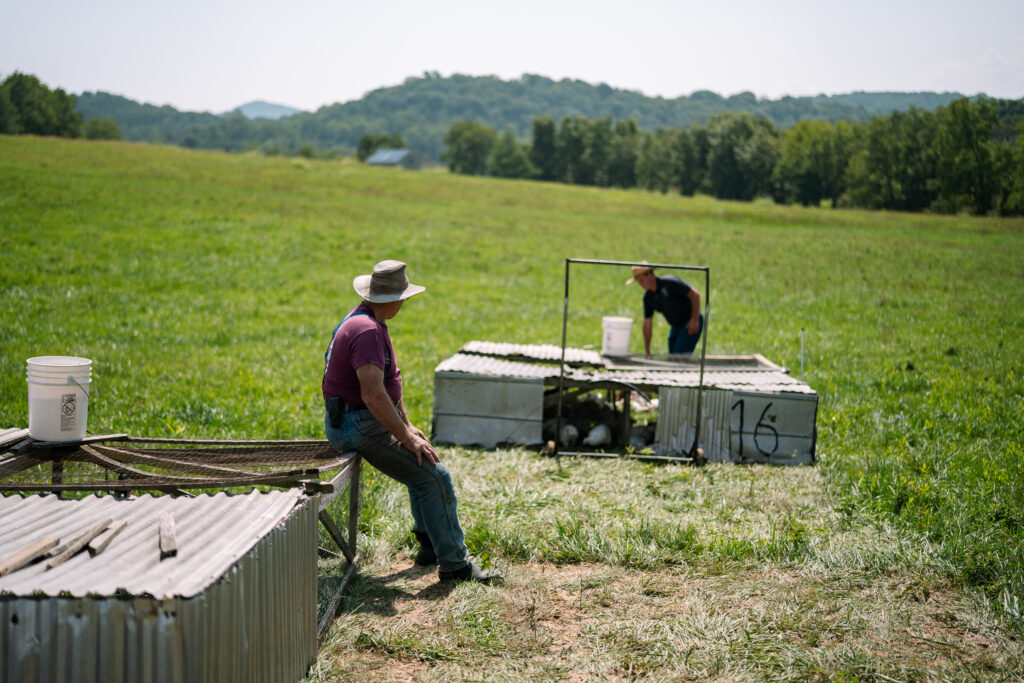
Place animal shelters and pens downwind and downhill from your living spaces to minimize odors and runoff. Ensure there’s a clear path for moving feed, water, and bedding. Rotational grazing paddocks can be arranged in a spoke pattern around a central shelter for easy access.
Composting and Waste Management
Composting is a cornerstone of sustainable homesteading. Position your compost area so it’s convenient to both the garden and kitchen, but not too close to the house. For a comprehensive overview, see the modern homesteading composting guide.
Modern Homesteading Homestead Layout Ideas for Small and Large Properties
Whether you have a quarter-acre lot or several acres, the core concepts of efficient design remain the same. However, the scale and specifics will vary.
Compact Sites and Urban Homesteads
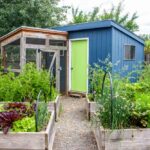
On smaller properties, vertical gardening, container systems, and stacked functions are essential. Use fences as trellises, install raised beds, and consider integrating chickens or rabbits in portable pens. For more inspiration, check out these modern homesteading backyard farming tips.
Expansive Rural Layouts
Larger homesteads can accommodate orchards, woodlots, and larger livestock. Use access roads and wide paths to connect distant zones. Group similar activities—such as animal husbandry and feed storage—together to reduce travel time.
Integrating Technology and Sustainability
Modern homesteads often incorporate renewable energy and smart water systems to boost efficiency and resilience. Solar panels, wind turbines, and rainwater catchment can be seamlessly integrated into your layout.
- Renewable Energy: Place solar arrays in open, south-facing areas. For a primer on sustainable power, see the modern homesteading renewable energy basics.
- Water Management: Use swales, ponds, and rain barrels to capture and direct water where it’s needed most. Group thirsty crops together and locate them near your water source.
- Smart Infrastructure: Automated irrigation, remote monitoring, and energy-efficient lighting can all be integrated into your homestead design for added convenience.
For more on how technology is shaping today’s homesteads, explore this overview of modern homesteading trends and tools.
Common Mistakes to Avoid in Homestead Planning
Even with the best intentions, it’s easy to overlook certain aspects when designing your property. Avoid these frequent pitfalls:
- Ignoring natural land features, leading to drainage or erosion problems.
- Placing gardens or animal areas too far from the house, making chores more time-consuming.
- Overcrowding structures, which can limit future expansion or reduce airflow.
- Failing to plan for accessibility, such as wide paths for wheelbarrows or vehicles.
- Not leaving space for composting, tool storage, or seasonal projects.
FAQ: Efficient Homestead Layouts
What is the best way to start planning a homestead layout?
Begin by mapping your property and identifying key features like sunlight, slope, water sources, and existing structures. Divide the space into functional zones, prioritize high-use areas near the house, and plan for future growth.
How can I make a small homestead more productive?
Focus on vertical gardening, multi-purpose spaces, and intensive planting methods. Use every available surface, including fences and walls, and integrate animals or composting systems that serve multiple functions.
What are some must-have features for a modern homestead?
Essential elements include a productive garden, efficient composting system, renewable energy sources, water management infrastructure, and flexible workspaces. Grouping related activities and minimizing travel between zones will also boost efficiency.