Embracing modern homesteading beekeeping basics is a practical way to support sustainability, improve garden yields, and enjoy home-harvested honey. Whether you’re starting out with a small backyard or expanding a rural homestead, understanding the essentials of beekeeping can help you make informed decisions and avoid common pitfalls. This guide covers the foundational steps, equipment, and knowledge needed to begin your journey as a modern homestead beekeeper.
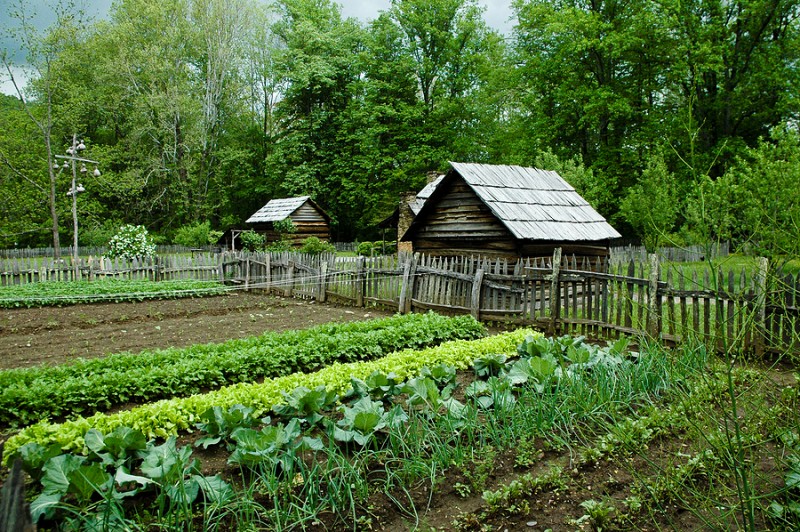
For those interested in optimizing their property for multiple uses, exploring modern homesteading homestead layout ideas can help you integrate beekeeping with other sustainable practices.
Why Bees Are Essential for the Modern Homestead
Bees play a critical role in pollinating fruits, vegetables, and flowers, making them invaluable partners for anyone practicing sustainable living. By keeping bees, homesteaders can boost crop yields, support local biodiversity, and produce their own honey and beeswax. These benefits align closely with the goals of self-sufficiency and environmental stewardship that define contemporary homesteading.
Getting Started: Equipment and Setup for New Beekeepers
Before bringing bees to your property, it’s important to gather the right tools and set up a safe, accessible apiary. Here are the basic supplies every beginner should consider:
- Beehive: The most common style for beginners is the Langstroth hive, known for its modular design and ease of inspection.
- Protective Gear: A veil, gloves, and a bee suit are essential for safety and comfort during hive checks.
- Smoker: This tool helps calm bees, making inspections less stressful for both you and the colony.
- Hive Tool: Used for prying apart frames and scraping off excess wax or propolis.
- Bee Brush: Gently moves bees off frames during inspections or honey harvesting.
Place your hive in a sunny, sheltered location with good drainage and easy access for maintenance. Ensure there’s a water source nearby, and avoid areas with heavy pesticide use.
Choosing Bees for Your Homestead Apiary
Selecting the right bees is a key step in successful beekeeping. Most beginners start with either a package of bees, a nucleus colony (nuc), or a full hive. Popular breeds for homesteaders include:
- Italian Bees: Known for their gentle temperament and strong honey production.
- Carniolan Bees: Adapt well to colder climates and are less likely to swarm.
- Russian Bees: Resistant to some common pests and diseases.
When sourcing bees, look for reputable local suppliers who can provide healthy, disease-free colonies suited to your climate.
Seasonal Tasks and Hive Management
Successful beekeeping on a modern homestead requires regular attention throughout the year. Here’s a seasonal overview:
- Spring: Inspect hives for winter survival, feed if necessary, and check for signs of disease or pests.
- Summer: Monitor for swarming, ensure adequate space for honey storage, and manage pests like varroa mites.
- Fall: Harvest honey, reduce hive entrances, and prepare colonies for winter by ensuring adequate food stores.
- Winter: Minimize disturbances, check for moisture issues, and provide windbreaks if needed.
Consistent hive checks and record-keeping help you spot issues early and keep your colonies healthy.
Common Challenges and How to Overcome Them
Even with careful planning, new beekeepers may face a few hurdles. Some of the most frequent challenges include:
- Pests and Diseases: Varroa mites, small hive beetles, and foulbrood can threaten colonies. Regular inspections and integrated pest management are essential.
- Swarming: Bees may leave the hive if it becomes overcrowded. Prevent this by adding extra boxes and monitoring colony growth.
- Pesticide Exposure: Avoid placing hives near treated fields and advocate for pollinator-friendly practices in your community.
- Weather Extremes: Protect hives from wind, rain, and extreme temperatures with proper siting and insulation.
Learning from local beekeeping groups and experienced mentors can help you navigate these obstacles and build resilient colonies.
Integrating Beekeeping with Other Homestead Activities
Keeping bees complements many other aspects of modern homesteading. Pollinators improve vegetable gardens, orchards, and flower beds, while beeswax and honey can be used for homemade products or bartering. If you’re interested in expanding your self-sufficiency, consider exploring modern homesteading meal planning tips or learning about herbal remedies through the modern homesteading herbal medicine guide.

Learning Resources and Community Support
Connecting with other homesteaders and beekeepers can accelerate your learning curve. Local clubs, online forums, and workshops offer practical advice and troubleshooting support. For a broader perspective on sustainable living, you can read about modern approaches to homesteading and discover how beekeeping fits into a holistic lifestyle.
Many regions also have regulations regarding hive placement and honey sales, so check with your local extension office or agricultural agency for guidance.
Frequently Asked Questions
What is the best time of year to start keeping bees?
The ideal time to begin is in early spring, when bees are most available from suppliers and the colony has the full season to establish itself. This timing allows the bees to build up their numbers and store enough honey for winter.
How much space do I need for a beehive?
A single hive requires only a small area—about 3 by 3 feet of level ground. However, it’s important to provide a clear flight path for the bees and keep hives away from high-traffic areas or property lines to avoid disturbing neighbors.
Can I keep bees in an urban or suburban setting?
Yes, many urban and suburban homesteaders successfully keep bees. Check local ordinances for restrictions, and consider talking to neighbors about your plans. Providing water sources and ensuring bees have access to diverse forage will help them thrive in these environments.