In today’s fast-paced world, embracing living sustainably in everyday life has become more than just a trend; it’s a necessity. For those dreaming of a homestead lifestyle, this involves making conscious choices that positively impact the environment, economy, and personal well-being. Whether you’re a city dweller or have already embarked on the journey of homesteading, implementing sustainable practices can make a significant difference.
The Importance of Living Sustainably
Understanding the importance of living sustainably is crucial for every homestead enthusiast. The choices we make daily, from the food we consume to the energy we use, have a direct impact on our planet. By adopting sustainable practices, we not only reduce our carbon footprint but also contribute to a healthier environment for future generations.
Embracing Eco-friendly Habits
Simple changes in our habits can lead to significant environmental benefits. For instance, opting for reusable bags, reducing water waste, and minimizing energy consumption are small steps that can lead to substantial impacts. By being mindful of our daily actions, we can integrate eco-friendly habits into our routines seamlessly.
The Role of Sustainable Agriculture
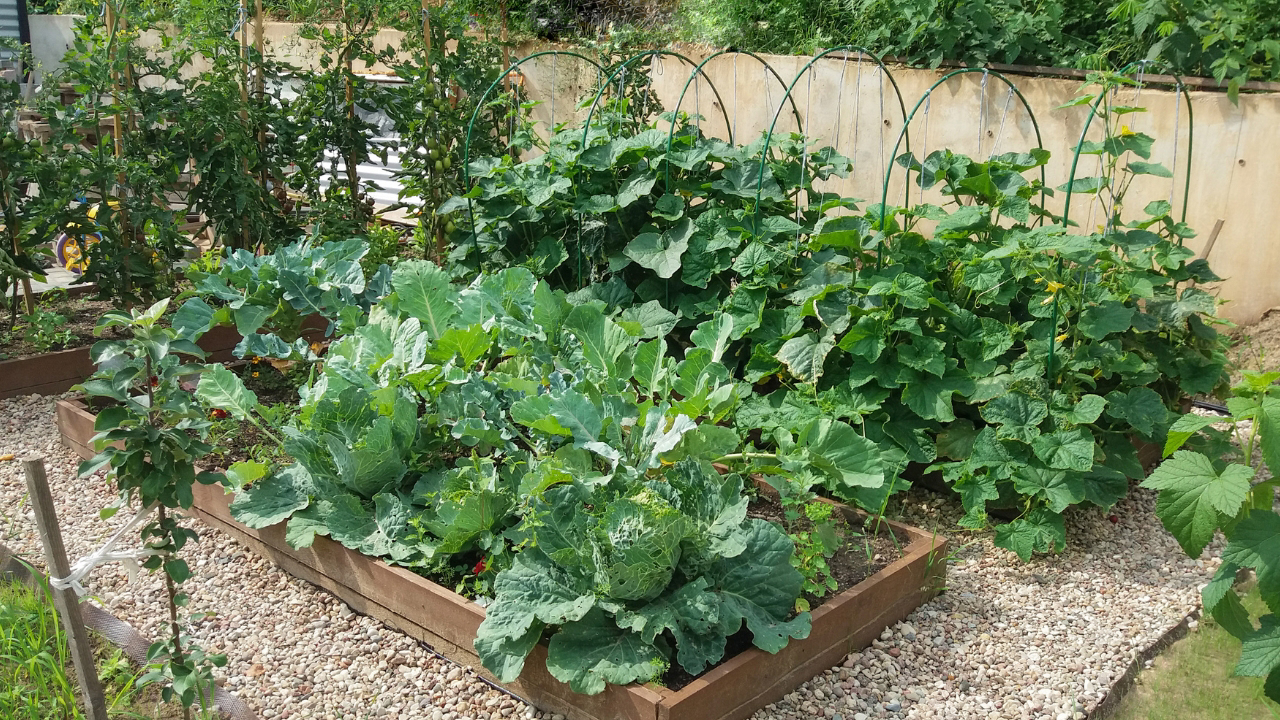
For those on a homesteading journey, sustainable agriculture plays a pivotal role in living sustainably in everyday life. Implementing practices such as crop rotation, composting, and organic farming can enhance soil fertility and promote biodiversity. Additionally, exploring methods like aquaponics offers innovative solutions for maximizing space and resources.
Benefits of Organic Farming
Organic farming not only promotes healthier soil but also results in more nutritious produce. By eliminating the use of harmful pesticides and fertilizers, organic farming helps preserve the ecosystem and supports biodiversity. For homesteaders, this means healthier crops and a more resilient environment.
Reducing Waste: A Key to Sustainability
Waste reduction is a fundamental aspect of living sustainably in everyday life. By adopting practices such as recycling, composting, and reusing materials, we can significantly decrease our environmental impact. Homesteaders can take this a step further by creating a zero-waste lifestyle, where every item is either reused or composted.
Effective Composting Techniques
Composting is an excellent way to recycle organic waste and enrich the soil. By understanding the balance between green and brown materials, homesteaders can create nutrient-rich compost that benefits their gardens. Additionally, storage solutions for composting can help manage space efficiently.
Energy Efficiency on the Homestead
Energy efficiency is another crucial component of living sustainably. By utilizing renewable energy sources such as solar and wind power, homesteaders can reduce their reliance on non-renewable resources. Implementing energy-saving techniques like proper insulation and energy-efficient appliances can further enhance sustainability.
Solar Power: A Sustainable Choice
Solar power is one of the most accessible and effective renewable energy sources available. By installing solar panels, homesteaders can generate clean energy and reduce electricity bills. Additionally, solar power systems require minimal maintenance, making them a practical choice for sustainable living.
Nurturing a Sustainable Community
Building a community focused on sustainability is essential for long-term success. By sharing resources, knowledge, and skills, homesteaders can support each other in their sustainability journey. Initiatives like community gardens and local farmers’ markets foster collaboration and promote sustainable practices.
Teaching Sustainable Skills
Passing down sustainable skills to the next generation ensures the continuity of eco-friendly practices. Engaging children in activities like gardening, recycling, and crafting with natural materials can instill a sense of responsibility towards the environment. Resources like teaching kids homestead skills provide valuable insights for nurturing young minds.
Adopting a Minimalistic Lifestyle
Minimalism complements the concept of living sustainably by focusing on reducing consumption and prioritizing experiences over material possessions. By decluttering and simplifying life, individuals can focus on what truly matters, leading to a more sustainable and fulfilling lifestyle.
Benefits of Decluttering
Decluttering not only creates a more organized living space but also reduces waste and promotes mindfulness. By evaluating possessions and keeping only what is necessary, individuals can minimize their environmental impact and enhance their well-being.
Conclusion
Embracing living sustainably in everyday life is a journey that requires commitment and conscious effort. By integrating eco-friendly habits, sustainable agriculture, waste reduction, and energy efficiency into daily life, homesteaders can make a significant impact on the environment. Moreover, fostering a sustainable community and adopting a minimalistic lifestyle can further enhance the journey towards sustainability. As we continue to learn and adapt, the possibilities for sustainable living are endless.
FAQs
What are some simple ways to start living sustainably?
Starting with small changes, such as reducing plastic use, conserving water, and opting for public transportation, can make a big difference. Additionally, educating oneself about sustainable practices and implementing them gradually can lead to a more eco-friendly lifestyle.
How can homesteaders reduce their waste?
Homesteaders can reduce waste by composting organic materials, recycling, and reusing items whenever possible. Creating a zero-waste lifestyle involves careful planning and a commitment to minimizing waste.
Why is energy efficiency important for sustainable living?
Energy efficiency reduces the reliance on non-renewable resources and decreases greenhouse gas emissions. By utilizing renewable energy sources and implementing energy-saving practices, individuals can significantly reduce their carbon footprint.