Building a life away from the grid is a rewarding journey that offers independence, sustainability, and a closer connection to nature. For those interested in how to start an off-grid homestead, the process can seem overwhelming at first. However, with careful planning and a step-by-step approach, you can create a thriving, self-sufficient property that meets your needs and values.
This article will walk you through the essential stages of launching your own off-grid setup, from choosing land to setting up food production and energy systems. Along the way, you’ll find practical tips, helpful resources, and guidance for overcoming common challenges. If you’re working with limited space, you might also find our guide on small-space potato towers useful for maximizing your harvests.
Defining Your Vision and Setting Goals
Before making any major decisions, clarify what you want from your off-grid lifestyle. Are you seeking total self-reliance, or do you want a hybrid approach with some modern conveniences? Consider your family’s needs, your skills, and your long-term objectives. Write down your priorities—such as food security, renewable energy, or livestock—and use these as a foundation for your planning.
- Budget: Determine how much you can invest upfront and what ongoing costs you can manage.
- Location: Decide if you want to be remote or closer to a town for easier access to supplies and community.
- Scale: Will your homestead be a small retreat or a working farm?
Choosing the Right Land for Off-Grid Living
Selecting suitable land is one of the most critical steps in establishing your homestead. Look for properties with reliable water sources, good soil, and enough sunlight for gardens and solar panels. Evaluate access roads, zoning laws, and the local climate. It’s wise to visit potential sites in different seasons to assess their year-round suitability.
- Water: Springs, wells, or year-round creeks are ideal. Check water rights and quality.
- Soil: Fertile ground supports gardening and livestock.
- Sun Exposure: South-facing slopes are best for solar energy and gardening.
- Accessibility: Remote land may be cheaper but harder to reach in winter or emergencies.
For further insights on building your property, consider reading this detailed guide to off-grid homestead construction.
Essential Infrastructure: Shelter, Water, and Power
Once you’ve secured land, focus on the basic infrastructure that will support your daily life. Start with shelter—whether a cabin, yurt, or tiny house—then move on to water and energy systems.
Building or Setting Up Shelter
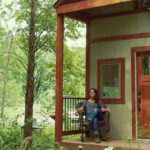
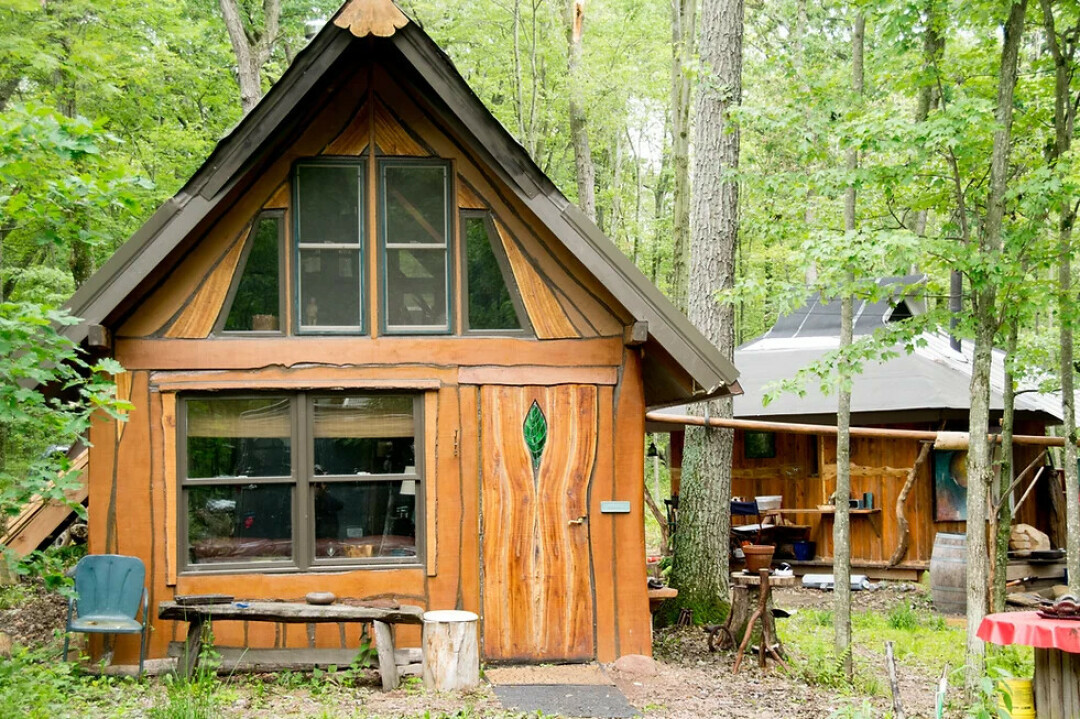
Your home should be well-insulated and designed for your climate. Many off-grid homesteaders choose cabins, earthships, or even repurposed shipping containers. Use local, sustainable materials where possible to reduce costs and environmental impact.
Establishing a Reliable Water System
Water is non-negotiable. Drill a well, install rainwater catchment, or tap into a spring. Set up filtration and storage tanks to ensure a safe, consistent supply for drinking, cooking, and irrigation.
Setting Up Off-Grid Power
Solar panels are the most popular choice for renewable energy, but wind or micro-hydro systems can also be effective depending on your location. Invest in quality batteries and an inverter to store and use power efficiently. Consider a backup generator for emergencies.
Food Production and Self-Sufficiency
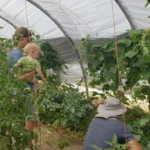
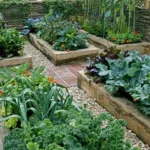
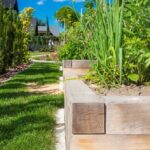
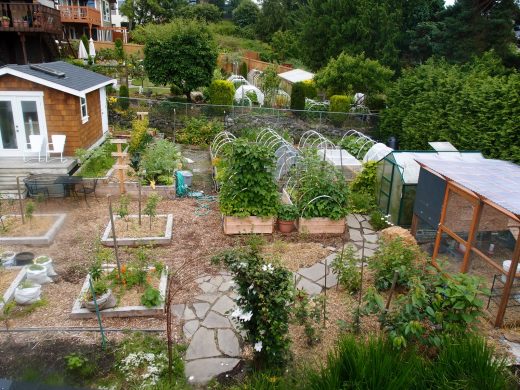
Growing your own food is a cornerstone of off-grid living. Start with a manageable garden and expand as you gain experience. Raised beds, companion planting, and crop rotation can boost yields and soil health. For those with limited space, crop rotation in small gardens is a practical method to maintain productivity.
- Vegetable Gardens: Choose crops suited to your climate and storage needs.
- Fruit Trees: Plant hardy varieties for long-term harvests. If space is tight, see our advice on how to start a container orchard.
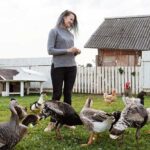
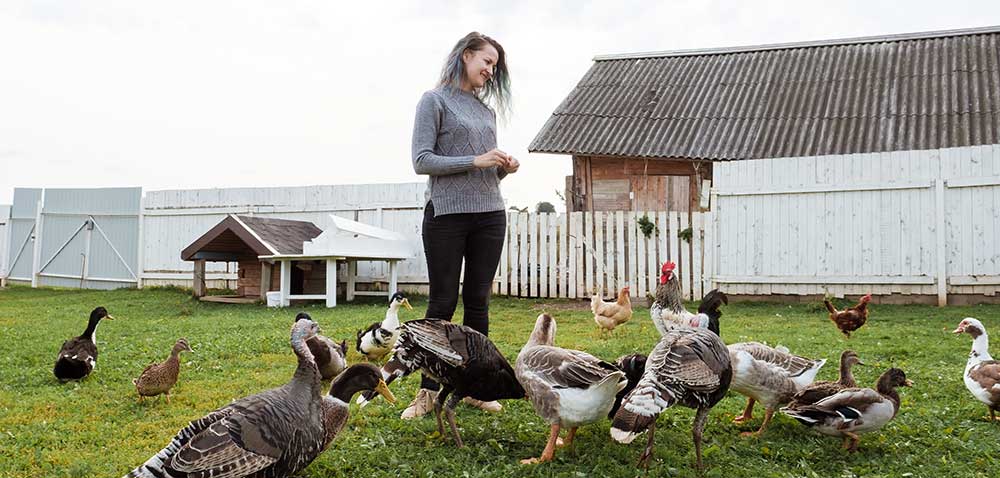
- Livestock: Chickens, goats, or rabbits can provide eggs, milk, and meat. Start small and scale up as you learn.
- Preservation: Learn canning, dehydrating, and cold storage to extend your food supply through the year.
Managing Waste and Sanitation Off the Grid
Sanitation is vital for health and environmental protection. Composting toilets, greywater systems, and careful waste management are common solutions. Plan for safe disposal of household and animal waste, and use compost to enrich your garden soil.
Building Community and Ongoing Learning
Living off the grid doesn’t mean total isolation. Connecting with neighbors, local farmers, and online communities can provide support, knowledge, and friendship. Attend workshops, join forums, and keep learning new skills. For pest management, our article on small-space natural pest control offers practical strategies for keeping your crops healthy.
Overcoming Challenges and Staying Motivated
Every homesteader faces setbacks, from harsh weather to equipment failures. Stay flexible and patient, and remember that mistakes are part of the learning process. Celebrate small victories, and don’t hesitate to seek advice from experienced off-gridders or local extension offices.
Frequently Asked Questions
What are the first steps to take when planning an off-grid homestead?
Begin by defining your goals and budget, then research suitable land with access to water and good soil. Develop a plan for shelter, water, and energy, and start small with food production and livestock.
How much land do I need for self-sufficient living?
The amount of land needed varies based on your goals, climate, and the type of food you want to grow. Many families find that 1–5 acres is enough for gardens, small livestock, and a comfortable home, but even less can work with intensive methods.
Is it possible to live off-grid in a small space or urban area?
Yes, you can adopt many off-grid principles in small or urban spaces. Container gardening, vertical gardens, and efficient use of resources make it possible to grow food and reduce reliance on public utilities, even in limited areas.
Conclusion
Creating a self-sustaining lifestyle away from the grid is a significant undertaking, but with careful planning and steady progress, it’s achievable for many people. Start with clear goals, choose your land wisely, and build your infrastructure step by step. Embrace the learning curve, connect with others, and enjoy the rewards of a more independent, resilient way of living.