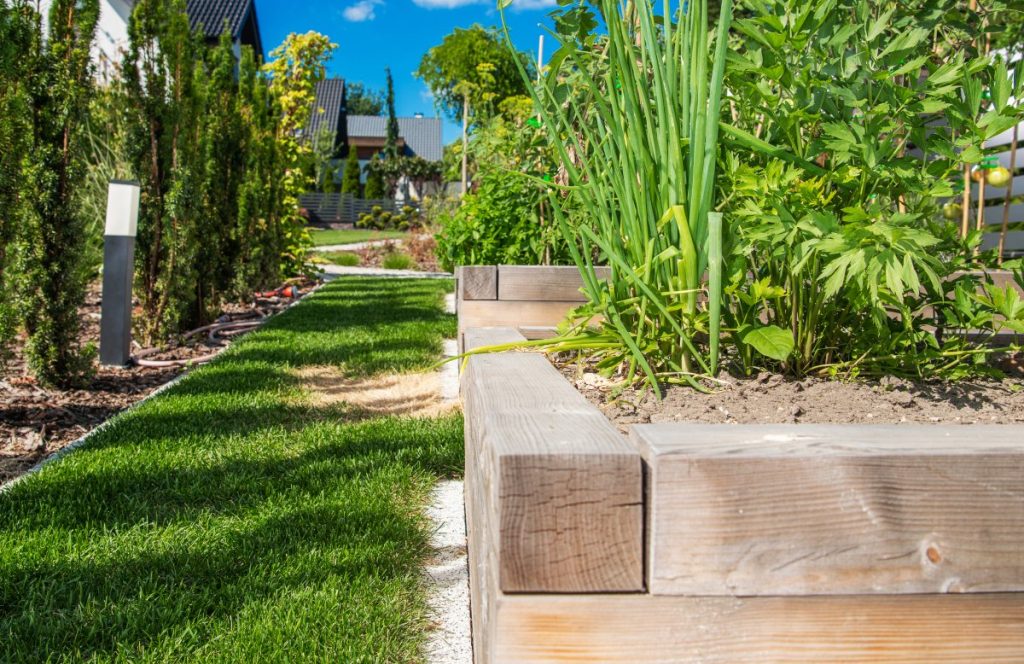
Keeping unwanted plants under control in compact gardens, patios, or urban plots can be challenging. Limited space means every inch counts, and weeds often compete with your vegetables, herbs, or ornamentals for sunlight, nutrients, and water. Fortunately, there are effective, chemical-free ways to suppress and remove weeds, even in the tightest quarters. This guide explores practical, eco-friendly strategies to help you maintain a thriving, low-maintenance small garden.
If you’re interested in optimizing other aspects of your homestead, you may also find the modern homesteading herbal garden ideas helpful for planning your space and plant selection.
Understanding Weed Growth in Limited Spaces
In small gardens, weeds often seem to appear overnight. The close proximity of plants, frequent watering, and nutrient-rich soil create an ideal environment for opportunistic species. Unlike sprawling landscapes, where weeds may go unnoticed, every stray seedling in a compact plot can quickly become a problem.
The first step in controlling weeds in small areas is understanding how they spread. Most weeds reproduce by seed, but some also spread through roots or runners. Wind, birds, and even your shoes can introduce seeds into your containers or raised beds. Once established, weeds can shade out crops and rob them of essential resources.
Natural Prevention: Stop Weeds Before They Start
Preventing weeds is always easier than removing them. Here are some natural, proactive methods to minimize weed growth from the outset:
- Use Mulch: Applying a thick layer of organic mulch (such as straw, shredded leaves, or wood chips) helps block sunlight, making it difficult for weed seeds to germinate. Mulch also retains moisture and improves soil health.
- Dense Planting: Growing crops closely together shades the soil, leaving less room and light for weeds to take hold. Interplanting fast-growing greens with slower crops can provide a living mulch effect.
- Landscape Fabric: For containers and raised beds, a layer of landscape fabric beneath the soil can prevent perennial weeds from emerging while still allowing water to drain.
- Clean Tools and Shoes: Always clean your gardening tools and footwear before moving between garden areas to avoid transferring weed seeds.
Manual Removal: Effective Hand-Weeding Techniques
Even with the best prevention, some weeds will inevitably appear. In confined spaces, hand-pulling is often the most effective and least disruptive method. Here’s how to make it easier:
- Weed When Wet: After rain or watering, soil is softer and roots are easier to remove completely.
- Use the Right Tools: A hand fork or narrow trowel can help you loosen soil and extract roots without disturbing nearby plants.
- Remove Roots: Many weeds regrow from root fragments. Take care to pull out the entire root system, especially for persistent types like dandelions.
- Stay Consistent: Check your garden every few days. Small, young weeds are much easier to remove than established ones.
Container Gardening: A Smart Solution for Weed Control
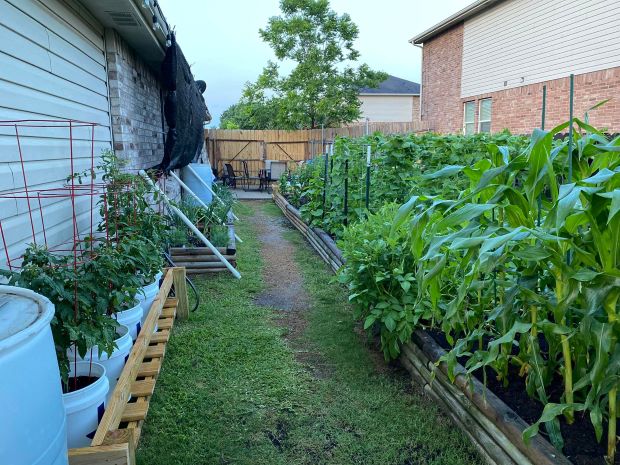
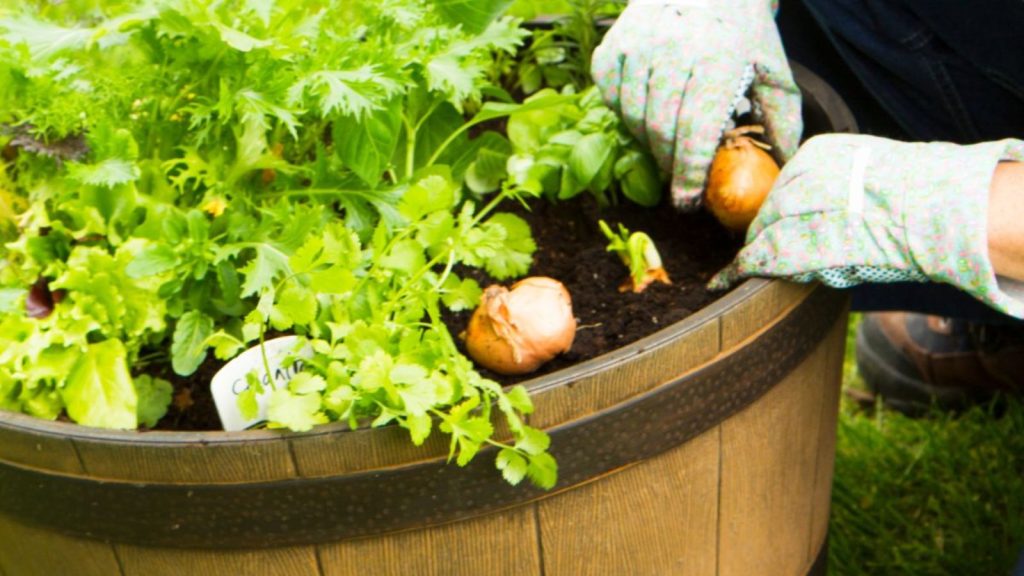
Growing in pots, raised beds, or grow bags is one of the most effective ways to minimize weed issues. Containers limit the amount of exposed soil and make it easier to monitor and remove unwanted growth. Here’s how to make the most of container gardening for weed suppression:
- Start with Clean Soil: Use high-quality, sterile potting mix rather than garden soil, which may contain weed seeds.
- Top Dress with Mulch: Add a layer of mulch to the surface of your containers to further discourage weeds.
- Monitor Drainage Holes: Weeds can sometimes sprout from the bottom or sides of containers. Check these areas regularly and remove any intruders.
- Rotate Crops: Changing what you grow in each container each season can help break weed cycles and reduce soil-borne pests.
Organic Solutions for Persistent Weeds
Some weeds are especially stubborn and may return even after pulling. For these, natural spot treatments can help:
- Boiling Water: Pouring boiling water directly onto weeds in cracks or between pavers can kill them without chemicals.
- Vinegar Spray: Household vinegar (5% acetic acid) can desiccate young weeds. Apply carefully to avoid contact with desirable plants.
- Manual Smothering: Cover persistent patches with cardboard or thick newspaper, then top with mulch. This blocks light and eventually kills the weed.
For more ideas on maximizing productivity and sustainability in compact spaces, check out this comprehensive guide to homesteading on a small property.
Maintaining a Weed-Free Small Garden Over Time
Consistency is key to keeping weeds at bay in small spaces. Here are some ongoing practices to maintain a tidy, productive garden:
- Inspect Regularly: Make a habit of walking through your garden every few days to spot and remove new weeds before they spread.
- Refresh Mulch Annually: Organic mulches break down over time and should be replenished to maintain their weed-suppressing benefits.
- Rotate and Diversify: Changing plant arrangements and trying new crops can disrupt weed cycles and keep your soil healthy.
- Compost Responsibly: Avoid adding mature weed seeds or roots to your compost pile, as they may survive and reappear in your garden.
If you’re interested in other aspects of homesteading, such as fencing or livestock, the modern homesteading fencing guide offers practical advice for small properties.
Frequently Asked Questions
What is the best mulch for suppressing weeds in small gardens?
Organic mulches like straw, shredded leaves, or wood chips are highly effective. They block sunlight, retain soil moisture, and gradually improve soil structure as they decompose. For containers, a thinner layer of mulch is usually sufficient.
How often should I check for weeds in a compact garden?
Inspect your space at least once a week, or more frequently during peak growing seasons. Removing weeds while they are small prevents them from setting seed and spreading.
Are there any weeds that are beneficial in small gardens?
Some plants commonly considered weeds, like clover or purslane, can fix nitrogen or provide edible greens. However, in very limited spaces, it’s best to remove anything that competes with your chosen crops.
Can I use homemade weed killers in my vegetable containers?
Natural options like boiling water or diluted vinegar can be used with caution, but always avoid contact with your crops. Spot treat only the unwanted plants, and never use harsh chemicals in edible gardens.