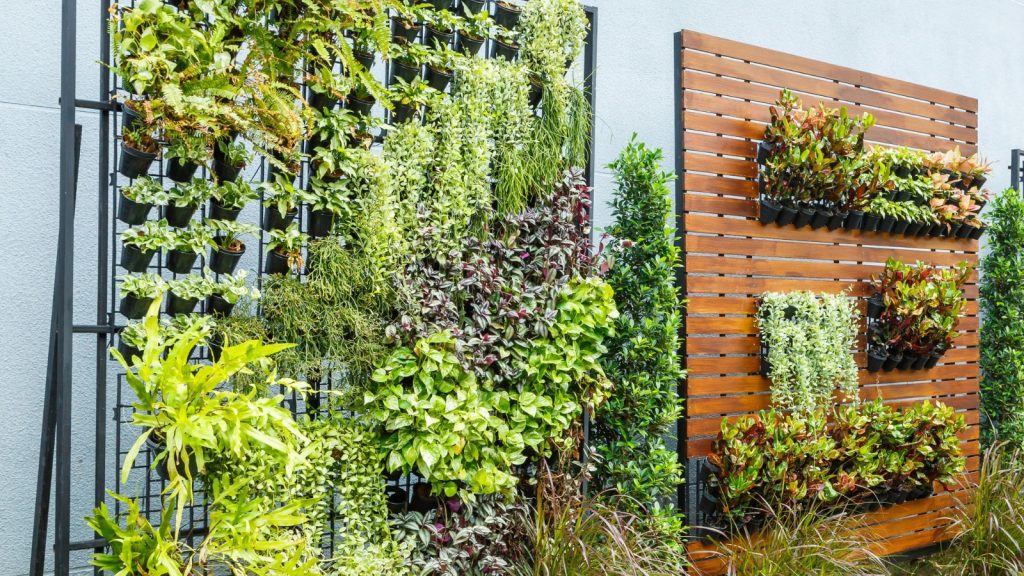
Growing beans in a limited space can be both rewarding and efficient when you use vertical gardening techniques. By training bean plants to climb, you can maximize your harvest even in compact areas such as patios, balconies, or small backyard plots. This guide will walk you through the essentials of cultivating beans upward, covering the best varieties, support structures, soil preparation, and ongoing care.
Vertical gardening not only saves space but also improves air circulation, reduces pest problems, and makes harvesting easier. Whether you’re a beginner or an experienced gardener looking to optimize your yields, learning how to grow beans vertically can transform your small garden into a productive green space.
For those interested in expanding their homesteading skills, you might also find the modern homesteading fencing guide helpful as you plan your garden layout and protect your crops.
Benefits of Vertical Bean Gardening
Training beans to grow upward offers several practical advantages, especially in small spaces. Here are some of the key benefits:
- Space Efficiency: Vertical supports allow you to grow more plants in less ground area.
- Healthier Plants: Improved air flow helps prevent fungal diseases and reduces pest infestations.
- Ease of Harvest: Beans are easier to pick when they hang down from trellises or supports.
- Better Sun Exposure: Leaves and pods receive more sunlight, promoting healthy growth.
- Attractive Appearance: Vertical gardens can be visually appealing and add structure to your garden design.
Choosing the Right Bean Varieties for Vertical Growth
Not all beans are suited for climbing. When planning to cultivate beans vertically, select pole beans or runner beans, as these varieties naturally produce long vines that seek support. Bush beans, on the other hand, are compact and do not climb.
- Pole Beans: These are classic climbers, growing six feet or more. Popular types include ‘Kentucky Blue’, ‘Blue Lake’, and ‘Scarlet Runner’.
- Runner Beans: Known for their ornamental flowers and vigorous vines, runner beans like ‘Scarlet Emperor’ are ideal for trellises and arches.
When selecting seeds, check the packet for terms like “climbing”, “pole”, or “runner” to ensure you’re choosing varieties that thrive on vertical supports.
Essential Supports for Growing Beans Upward
Providing sturdy structures is crucial for successful vertical bean gardening. Here are some common support options:
- Trellises: Wooden or metal trellises are popular and can be bought or built at home. Place them securely in the ground before planting.
- Poles or Teepees: Arrange bamboo or wooden poles in a teepee shape, tying them together at the top. This classic method is simple and effective.
- Fencing or Netting: Attach netting or wire mesh to existing fences or frames to create a vertical climbing surface.
- Arches: Garden arches can be both decorative and functional, supporting beans while adding height to your garden.
Whichever support you choose, ensure it is tall enough (at least 6 feet) and anchored well to withstand wind and the weight of mature plants.

Preparing Soil and Containers for Vertical Beans
Beans thrive in well-drained, fertile soil with plenty of organic matter. If you’re gardening in raised beds or containers, use a high-quality potting mix and ensure containers are at least 12 inches deep. For those working with limited space, fabric grow bags and galvanized containers are excellent choices.
- Soil pH: Beans prefer a slightly acidic to neutral pH (6.0–7.0).
- Drainage: Avoid waterlogged conditions by using containers with drainage holes and amending soil with compost.
- Fertilization: Beans fix their own nitrogen, so avoid high-nitrogen fertilizers. Instead, mix in compost or aged manure before planting.
Place containers or beds in a spot that receives at least 6–8 hours of direct sunlight daily for optimal growth.
Planting and Training Beans to Climb
Sow bean seeds directly into the soil after the last frost date, as they do not transplant well. Plant seeds about 1 inch deep and 3–4 inches apart at the base of your chosen support.
- Watering: Keep soil evenly moist but not soggy. Water at the base to avoid wetting foliage.
- Mulching: Apply a layer of straw or shredded leaves to retain moisture and suppress weeds.
- Training Vines: As seedlings emerge, gently guide them toward the support. Beans naturally twine, but you may need to help them find their way initially.
- Ongoing Care: Check supports regularly and tie up any stray vines with soft garden ties if needed.
Maintaining Healthy Vertical Bean Plants
Consistent care is key to a successful harvest. Monitor your plants regularly for signs of pests or disease. Aphids, spider mites, and bean beetles are common issues, but can often be managed by hand-picking or spraying with insecticidal soap.
- Water deeply once or twice a week, depending on rainfall and temperature.
- Remove yellowing leaves to promote air circulation and reduce disease risk.
- Harvest beans frequently to encourage continued production. Pick pods when they are young and tender for the best flavor.
If you’re looking for more inspiration on what’s possible in a compact homestead, check out this detailed overview of small homestead possibilities.
Tips for Maximizing Yields in Limited Spaces
To get the most from your vertical bean garden, consider these practical tips:
- Succession Planting: Plant new seeds every few weeks for a continuous harvest throughout the season.
- Companion Planting: Grow beans alongside crops like corn, squash, or herbs to make efficient use of space and deter pests.
- Rotate Crops: Change the location of your beans each year to prevent soil-borne diseases and maintain soil fertility.
- Use Reflective Surfaces: Place light-colored mulch or reflective materials near your plants to boost sunlight exposure in shaded areas.
Frequently Asked Questions
What types of beans are best for vertical gardening?
Pole beans and runner beans are the top choices for growing upward. These varieties naturally climb and can reach impressive heights with the right support. Bush beans are not suitable for vertical methods as they remain compact.
How much sunlight do vertical beans need?
Beans require at least 6–8 hours of direct sunlight each day. If your garden is shaded, consider placing containers in the sunniest spot available or using reflective surfaces to increase light exposure.
Can I grow beans vertically indoors?
Yes, you can cultivate beans indoors using containers, trellises, and LED grow lights. Choose compact pole bean varieties and ensure they have enough space to climb and adequate light for healthy growth.
How do I prevent pests and diseases in a small vertical garden?
Maintain good air circulation by spacing plants properly and removing any dead or diseased foliage. Inspect your plants regularly for pests and use organic controls like neem oil or insecticidal soap as needed.
For more gardening ideas, you might also enjoy exploring modern homesteading herbal garden ideas to complement your vertical bean setup.