Getting children excited about gardening can be a rewarding experience for both parents and kids. By involving them in gardening activities, you can teach them valuable life skills, foster their love for nature, and encourage a healthy lifestyle. If you’re wondering how to get kids involved in gardening, this guide will provide you with the insights and strategies to make gardening fun and educational for your children.
Why Gardening is Beneficial for Kids
Gardening offers numerous benefits for children. It not only teaches them about the environment but also helps in the development of their motor skills and enhances their creativity. Moreover, it can be a fantastic way to spend quality family time together.
Building an Appreciation for Nature
By involving kids in gardening, they learn to appreciate nature and understand the importance of plants in our ecosystem. Watching a plant grow from a seed can be a magical experience for them.
Developing Responsibility
Gardening requires regular care and attention. When children are assigned tasks like watering or weeding, they learn to be responsible and understand the importance of nurturing living things.
How to Start Gardening with Kids
Starting a garden with children doesnt have to be a daunting task. Here are some simple steps to get you started:
Choose the Right Plants
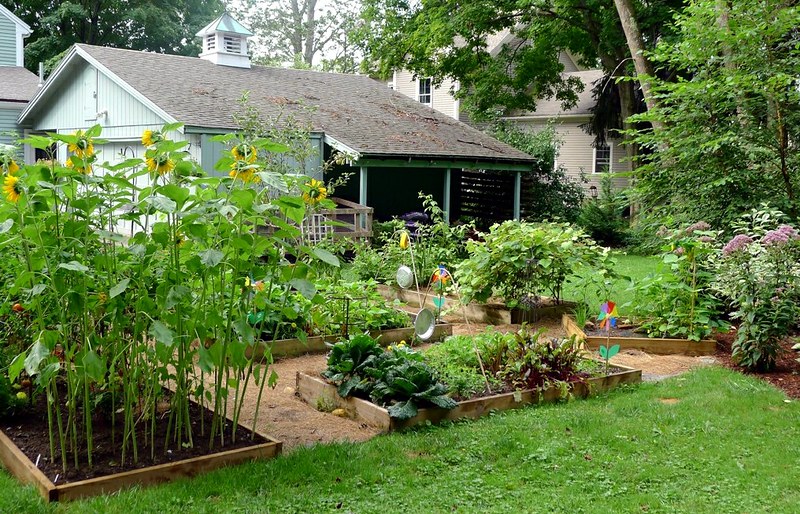
Select plants that are easy to grow and maintain. Fast-growing plants like radishes, sunflowers, and beans can keep kids engaged as they see quick results.
Design a Kid-Friendly Garden
Create a dedicated space for your children in the garden. Let them decorate it with colorful signs or painted rocks to make it feel like their own special place.
Get Creative with Garden Tools
Provide children with kid-sized gardening tools. Not only are they easier for them to handle, but they also make the gardening experience more enjoyable.
Engaging Activities to Keep Kids Interested
Keeping children interested in gardening requires creativity and patience. Here are some engaging activities that can help:
Make Gardening a Game
Turn gardening tasks into games. For example, have a race to see who can weed the most or water the plants in a given time.
Incorporate Educational Lessons
Use gardening as an opportunity to teach children about science, math, and the environment. Measuring plant growth or counting seeds can be fun and educational.
Create a Garden Journal
Encourage children to record their gardening experiences in a journal. They can draw pictures, write observations, and document the changes in their plants.
Gardening as a Family
Gardening together as a family can strengthen bonds and create lasting memories. Involve everyone in the planning and execution of your garden project.
Plan Family Garden Days
Dedicate specific days for family gardening sessions. Make it a fun event with music, snacks, and plenty of laughter.
Share the Harvest
Once your plants start bearing fruit, involve your kids in harvesting and cooking. Sharing the harvest can be a fulfilling experience for them.
Resources and Inspiration
If you’re looking for more ideas and inspiration, check out this urban homesteading guide that offers practical tips for families. You can also explore homestead tips to make gardening more economical and sustainable.
Conclusion
Gardening is a wonderful way to connect with your children and teach them valuable life lessons. By making it fun and engaging, you can instill a lifelong appreciation for the environment and healthy living. Start small, be patient, and enjoy the time spent together in the garden.
FAQ
How do I motivate my child to garden?
Make gardening fun and interactive. Let them choose their plants, decorate their garden space, and involve them in the entire process from planting to harvesting.
What are the best plants for kids to grow?
Choose plants that are easy to grow and maintain such as sunflowers, radishes, and snap peas. These plants grow quickly and are less likely to disappoint.
How can gardening benefit my child?
Gardening can improve your childs physical health, enhance their creativity, teach responsibility, and increase their understanding and appreciation of nature.