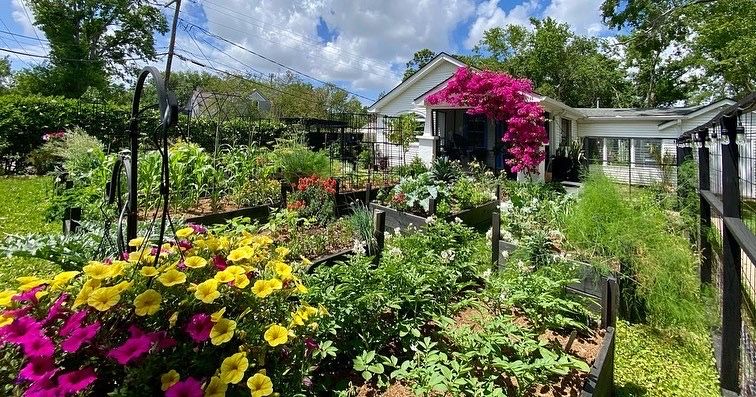
As urban living becomes more prevalent, many people find themselves renting rather than owning their homes. However, this doesnt mean they have to give up on their dream of homesteading. In fact, homesteading in rental properties is an innovative way to embrace sustainable living and self-sufficiency, even in urban settings. But how exactly can you transform your rental space into a thriving homestead?

Understanding the Concept of Homesteading
Before diving into the specifics of homesteading in rental properties, its important to understand what homesteading actually means. At its core, homesteading is about living sustainably and being self-reliant. It involves growing your own food, minimizing waste, and adopting a frugal lifestyle. If you want to learn more about the basics of homesteading, check out frugal living tips.
Why Consider Homesteading in Rental Properties?
There are several reasons why someone might consider homesteading in rental properties. Whether its about reducing your carbon footprint, saving money, or simply enjoying the process of growing your own food, homesteading offers numerous benefits. Plus, it allows renters to experience a lifestyle thats often associated with owning a home.
Environmental Benefits
By starting a homestead in your rental, you contribute to environmental sustainability. Growing your own fruits and vegetables reduces the need for transportation and packaging, leading to a smaller carbon footprint.
Community Connection
Homesteading can also foster a sense of community. Engaging with local farmers’ markets and exchanging goods with neighbors can create a supportive network, even in rental communities.
Challenges of Homesteading in Rental Properties
While there are many benefits, there are also challenges to consider when embarking on homesteading in rental properties. Some common issues include limited space, restrictions from landlords, and the temporary nature of renting.
Space Limitations
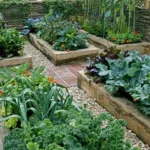
Rental properties often come with limited space, which can pose a challenge for traditional homesteading activities. However, creative solutions like vertical gardening and container gardening can help maximize your space. For more ideas, visit backyard homestead ideas.
Lease Restrictions
Another challenge is adhering to lease agreements. Many rentals have rules about modifying the property, which can limit certain homesteading activities. Its essential to communicate with your landlord and understand whats allowed.
Practical Tips for Homesteading in Rentals
Despite the challenges, there are many ways to successfully practice homesteading in rental properties. Here are some practical tips to get started:
Start Small
Begin with small projects that require minimal investment and space. Consider growing herbs on your windowsill or starting a small compost bin under your sink.
Utilize Vertical Space
Make the most of your vertical space by installing shelves or hanging planters. This can significantly increase your growing area without taking up valuable floor space.
Get Creative with Containers
Containers are perfect for rental properties since theyre portable and dont require altering the property. Experiment with different sizes and shapes to find what works best for your space.
Legal Considerations
Before you begin your homesteading journey, make sure to review your lease agreement. Understand any restrictions and seek permission from your landlord if necessary. Its also a good idea to research local regulations regarding urban gardening and livestock keeping.
Building a Homestead Community
One of the joys of homesteading is connecting with others who share your passion. Look for local homesteading groups or online communities to exchange tips and support. You can also learn more about homestead skills for kids to involve your family in the process.
Success Stories
Many individuals have successfully turned their rental properties into small-scale homesteads. These success stories can serve as inspiration and proof that its possible to live sustainably, even in a rental. If youre curious about how others have done it, check out budget-friendly homesteading tips.
Conclusion
While homesteading in rental properties presents unique challenges, its an achievable goal with creativity and determination. By starting small, utilizing available space, and understanding legal considerations, you can transform your rental into a productive and sustainable homestead.
FAQ
Can I keep chickens in a rental property?
It depends on your lease agreement and local regulations. Check with your landlord and research local laws regarding livestock in urban areas.
What crops are best for small spaces?
Herbs, leafy greens, and root vegetables are excellent choices for small spaces. They dont require much room and can thrive in containers.
How can I involve my family in homesteading?
Get your family involved by starting simple projects like a small herb garden or composting. You can also teach them valuable homestead skills.