Embracing a lifestyle where you produce your own food without relying on public utilities is both empowering and practical. Growing food off-grid means cultivating crops and raising livestock with minimal dependence on external resources, making you more resilient and self-reliant. Whether you’re starting from scratch or looking to improve your current setup, this guide covers essential steps, planning tips, and key considerations for a productive, sustainable garden away from the grid.
If you’re new to this way of living, it’s helpful to understand the broader context of off-grid homesteading. For a comprehensive overview, check out what is off-grid homesteading for beginners. This resource breaks down the basics and helps you get started on the right foot.

Why Choose Off-Grid Food Production?
There are many reasons people decide to grow their own food without relying on municipal water, power, or commercial supply chains. Some of the most common motivations include:
- Food Security: Producing your own vegetables, fruits, and animal products reduces dependence on fluctuating markets and potential shortages.
- Health and Nutrition: Homegrown produce is fresher and often more nutritious, with fewer chemicals and preservatives.
- Environmental Impact: Sustainable gardening methods minimize waste, conserve water, and reduce fossil fuel use.
- Cost Savings: Over time, growing your own food can significantly lower grocery bills, especially if you preserve surplus harvests.
- Personal Satisfaction: There’s a unique sense of accomplishment in eating what you’ve grown yourself.
Planning Your Off-Grid Garden
A successful off-grid garden starts with careful planning. Consider your local climate, available space, and the resources you can access without public utilities. Here are some foundational steps:
Site Selection and Soil Preparation
Choose a spot that receives at least six hours of sunlight daily and has good drainage. If your soil is poor, consider building raised beds or using containers. For those with limited space, small-space potato towers offer a compact way to grow a staple crop.
Test your soil for pH and nutrient levels. Amend with compost, manure, or other organic matter to boost fertility. Mulching helps retain moisture and suppress weeds, both critical when water is scarce.

Water Management for Self-Sufficiency
Off-grid gardening requires creative water solutions. Rainwater harvesting is one of the most effective methods—install barrels or cisterns to collect and store runoff from roofs. Drip irrigation systems, fed by gravity or solar pumps, deliver water efficiently to plant roots.
Mulching and using drought-tolerant crops further reduce water needs. Consider greywater recycling for non-edible plants, and always prioritize water conservation in your daily routines.
Choosing the Right Crops for Off-Grid Living
Selecting crops that thrive in your climate and require minimal inputs is key to a productive, low-maintenance garden. Focus on varieties that are:
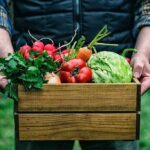
- Hardy and Resilient: Root vegetables, beans, squash, and leafy greens often perform well in diverse conditions.
- High Yield: Potatoes, tomatoes, and zucchini can provide abundant harvests with limited space.
- Storage-Friendly: Onions, garlic, winter squash, and grains can be stored for months, supporting year-round food security.
- Perennial Options: Asparagus, rhubarb, berries, and fruit trees offer recurring harvests with less annual effort.
For those interested in maximizing small spaces, you might explore how to start a container orchard to grow fruit even where land is limited.

Integrating Livestock and Permaculture Principles
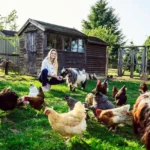
Incorporating animals such as chickens, goats, or rabbits can enhance your garden’s productivity. Chickens provide eggs and natural pest control, while goats offer milk and weed management. Always ensure you have adequate shelter, fencing, and water for your animals.
Permaculture design principles—such as planting guilds, using swales for water management, and composting—can help create a resilient ecosystem that supports both plants and animals. These methods reduce labor and external inputs, making your homestead more sustainable.
Tools, Infrastructure, and Energy Solutions
Reliable tools and basic infrastructure are essential for off-grid gardening. Hand tools, wheelbarrows, and simple irrigation systems are often more practical than power-hungry equipment. Solar panels or wind turbines can provide enough energy for small pumps or electric fencing.
Raised beds, cold frames, and greenhouses extend the growing season and protect crops from harsh weather. For those interested in a step-by-step approach, see how to start an off-grid homestead for practical setup advice.
Preserving and Storing Your Harvest
Off-grid living means making the most of your harvest. Traditional methods like canning, fermenting, drying, and root cellaring allow you to store food without electricity. Invest in quality jars, dehydrators, and cool, dry storage spaces to extend your food supply through the winter.
Sharing or trading surplus with neighbors can also build community resilience and reduce waste.
Common Challenges and How to Overcome Them
While the rewards of self-sufficient gardening are significant, challenges are inevitable. Some common issues include:
- Unpredictable Weather: Use row covers, shade cloths, and windbreaks to protect crops from extremes.
- Pests and Diseases: Practice crop rotation, encourage beneficial insects, and use organic controls to keep problems in check.
- Resource Limitations: Plan ahead for water shortages and invest in efficient tools and infrastructure.
- Time Management: Start small, automate where possible, and involve family or community members to share the workload.
For more practical insights, the article on important things to know about off-grid homesteading offers valuable tips from experienced homesteaders.
Frequently Asked Questions
What are the best crops for off-grid gardens?
Hardy vegetables like potatoes, beans, squash, carrots, and leafy greens are excellent choices. Perennials such as berries, asparagus, and fruit trees also provide reliable harvests with less annual effort.
How do I water my garden without access to municipal water?
Collecting rainwater, using drip irrigation, and mulching are the most effective strategies. Greywater from household use can also be repurposed for non-edible plants.
Can I raise animals off-grid?
Yes, many off-grid homesteaders successfully keep chickens, goats, rabbits, and bees. Focus on providing natural shelter, secure fencing, and consistent water sources, and choose breeds suited to your climate.
How do I store food without electricity?
Traditional preservation methods like canning, fermenting, drying, and root cellaring work well. These techniques allow you to keep food safe and edible for months.
Conclusion
Becoming more self-reliant by cultivating your own food away from the grid is a rewarding journey. With thoughtful planning, resourceful water management, and the right mix of crops and animals, you can create a thriving, sustainable homestead. For those just starting out, off-grid homesteading for beginners is a helpful resource to guide your next steps.