Embracing a self-sufficient lifestyle away from modern utilities is a growing trend for those seeking independence, sustainability, and a closer connection to nature. Building an off-grid homestead from the ground up involves careful planning, resourcefulness, and a willingness to learn new skills. This complete guide to off-grid homesteading offers practical steps, essential considerations, and expert tips to help you establish a thriving, resilient homestead no matter your starting point.
Whether you’re motivated by environmental concerns, a desire for self-reliance, or simply want to escape the hustle of city life, starting your own off-grid journey can be both rewarding and challenging. Before diving into the details, it’s helpful to understand some of the common pitfalls new homesteaders face. For a deeper look at what to avoid, check out mistakes new homesteaders make to set yourself up for success from the start.
Planning Your Off-Grid Homestead: Getting Started
The foundation of any successful off-grid project begins with thorough research and a clear vision. Start by defining your goals: Are you aiming for total self-sufficiency, or do you want a hybrid approach with some modern conveniences? Consider your climate, family size, and long-term plans.
- Location Selection: Choose land with access to natural resources like water, sunlight, and fertile soil. Proximity to local communities can also be valuable for supplies and support.
- Zoning and Regulations: Investigate local laws regarding building codes, water rights, and waste management. Some areas have restrictions on off-grid living, so ensure your plans are compliant.
- Budgeting: Factor in land costs, materials, tools, and initial setup expenses. Unexpected costs often arise, so build in a buffer for flexibility.
For a step-by-step breakdown of the process, the off-grid homestead startup timeline provides a helpful overview of what to expect in the early stages.
Essential Infrastructure for Sustainable Living
Setting up the core systems for your homestead is critical for comfort and long-term viability. These include water, shelter, energy, and waste management.
Water Sourcing and Management
Reliable access to water is non-negotiable. Options include drilling a well, harvesting rainwater, or tapping into a natural spring. Install filtration and purification systems to ensure safe drinking water. Consider water storage tanks and gravity-fed systems for efficiency.
Building Shelter: From Tiny Homes to Cabins
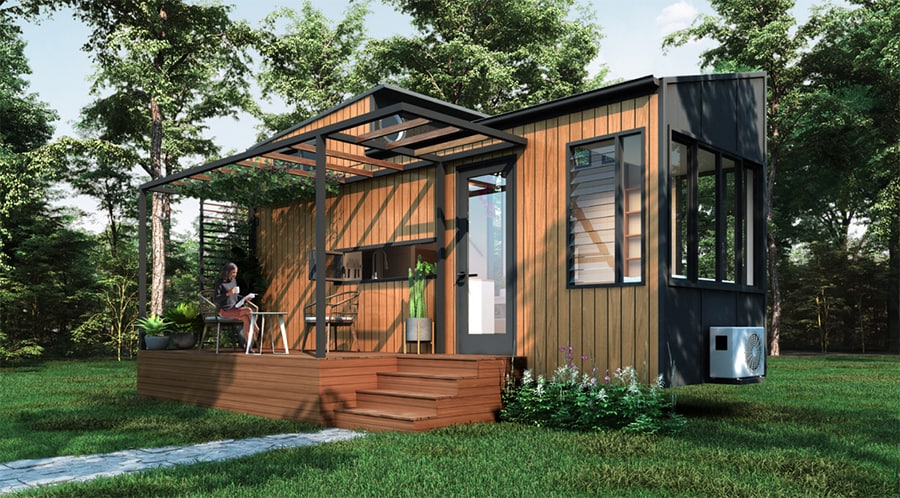
Your home should be designed for your climate and lifestyle. Many off-gridders start with a tiny house, yurt, or cabin, focusing on energy efficiency and durability. Use locally sourced materials where possible to reduce costs and environmental impact.
Off-Grid Power Solutions
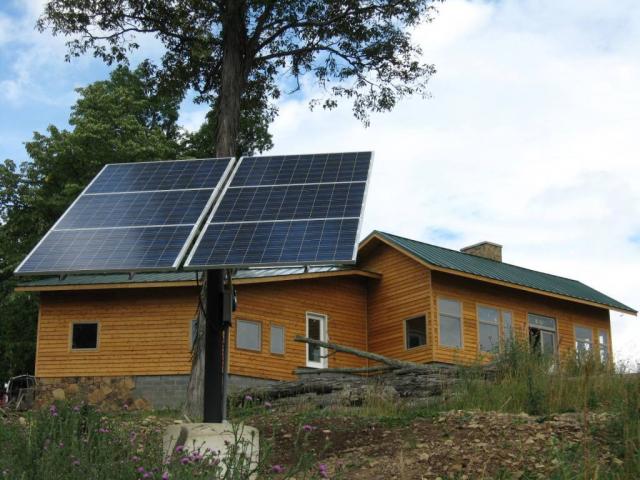
Generating your own electricity is a cornerstone of off-grid life. Solar panels are the most popular option, but wind turbines and micro-hydro systems can also be effective depending on your location. Invest in deep-cycle batteries and an inverter for reliable storage and use. Energy conservation is key—choose efficient appliances and LED lighting.
For more technical details on energy systems, the off-grid living guide from Briggs & Stratton offers a comprehensive overview of available technologies and best practices.
Waste Management and Sanitation
Handling waste responsibly is essential for health and environmental protection. Composting toilets, greywater systems, and natural septic setups are common solutions. Plan for regular maintenance and consider how you’ll manage food scraps and recyclables.
Food Production and Self-Sufficiency
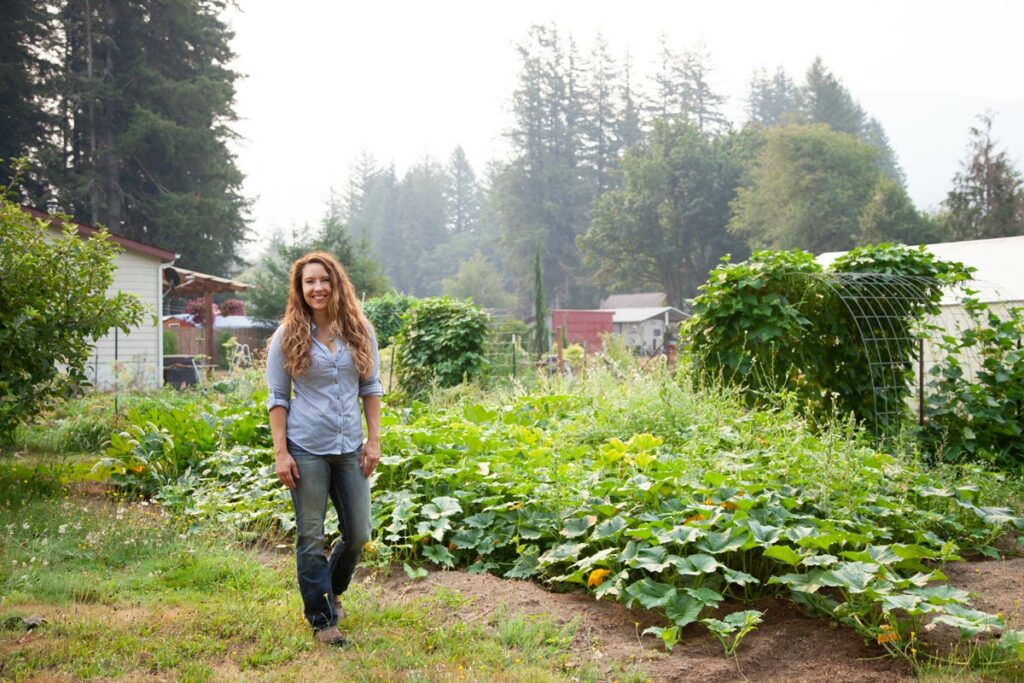
Growing your own food is at the heart of the homesteading lifestyle. Start with a manageable garden and expand as your skills grow. Raised beds, companion planting, and crop rotation help maximize yields and soil health.
- Vegetable Gardening: Choose crops suited to your climate and growing season. Heirloom varieties often perform well and allow for seed saving.
- Fruit Trees and Perennials: Planting trees and berry bushes provides long-term harvests with minimal upkeep.
- Livestock: Chickens, goats, and rabbits are popular choices for eggs, milk, and meat. Ensure you have secure housing and a plan for feed and water.
For those in arid regions, off-grid homesteading in deserts provides specialized advice for overcoming unique challenges.
Building Resilience and Community
Life off the grid can be unpredictable. Building resilience means preparing for emergencies, learning new skills, and connecting with like-minded people. Keep a well-stocked pantry, maintain backup tools, and develop a disaster plan. For more on readiness, explore disaster preparedness off-grid to ensure your family’s safety in any situation.
Community support is invaluable. Attend local farmers’ markets, join homesteading groups, and consider bartering goods and services. Sharing knowledge and resources strengthens your network and makes challenges easier to overcome.
Expanding and Maintaining Your Homestead
Once your basic systems are in place, focus on improving efficiency and sustainability. Regular maintenance of your home, energy systems, and gardens prevents costly repairs and keeps everything running smoothly. Experiment with new crops, try out renewable technologies, and document your progress to inspire others.
As your skills grow, you may want to expand your land or diversify your production. If you’re wondering about the ideal property size, how much land needed for off-grid homestead offers practical guidance for planning future growth.
Frequently Asked Questions
What is the first step to starting an off-grid homestead?
Begin by researching your desired lifestyle, setting clear goals, and choosing a suitable location with access to essential resources like water and sunlight. Understanding local regulations and creating a realistic budget are also key first steps.
How much land do I need for a self-sufficient homestead?
The amount of land required depends on your goals, family size, and the types of food and livestock you plan to raise. Many find that 1–5 acres is sufficient for a small family, but more space may be needed for larger operations or specialized projects.
What are the biggest challenges of living off the grid?
Common challenges include securing reliable water and energy sources, managing waste, adapting to isolation, and staying prepared for emergencies. Flexibility, problem-solving skills, and a willingness to learn are essential for overcoming these obstacles.
Can I live off-grid in any climate?
Off-grid living is possible in most climates, but each environment presents unique challenges. For example, desert regions require careful water management, while colder areas demand efficient insulation and heating solutions. Research and adapt your approach to your specific location.
Embarking on the path to self-sufficiency is a major commitment, but with careful planning and the right resources, you can build a rewarding, resilient lifestyle. Use this complete guide to off-grid homesteading as a foundation, and continue learning as you grow your homestead from scratch.