Growing food away from the convenience of city infrastructure brings both freedom and unique challenges. For those living off the land, maximizing every square foot and resource is essential. Companion planting off-grid is a time-tested approach that helps homesteaders and gardeners naturally boost yields, deter pests, and improve soil health—without relying on synthetic inputs or constant outside support.
By understanding which plants work well together, you can create a more resilient, productive, and sustainable garden. This article explores practical strategies for pairing crops, the science behind these relationships, and actionable tips for anyone cultivating food in a remote or self-sufficient setting. If you’re new to this lifestyle, you might also find value in learning what is off-grid homesteading and how it shapes every aspect of your growing journey.
Understanding the Basics of Plant Partnerships
At its core, companion planting is about growing certain crops together to create natural synergies. Some plants help each other by repelling pests, attracting beneficial insects, or improving soil nutrients. For those living remotely, these natural alliances can reduce the need for external inputs and make gardens more self-sustaining.
Common examples include pairing beans with corn and squash—known as the “Three Sisters” method. Beans fix nitrogen in the soil, corn provides support for climbing, and squash shades the ground to suppress weeds. By mimicking nature’s diversity, you can create a thriving ecosystem that supports itself.
Why Companion Planting Matters When Living Off the Grid
When you’re growing food away from municipal water, power, and supply chains, every resource counts. Companion planting off-grid offers several advantages:
- Pest Control: Certain combinations, like marigolds with tomatoes, help deter insects naturally.
- Soil Health: Legumes enrich the soil for heavy feeders, reducing the need for fertilizers.
- Water Efficiency: Strategic planting can create shade and windbreaks, helping soil retain moisture.
- Maximized Space: Vertical and layered planting allows you to grow more in less area—crucial for small or raised beds.
For those just starting out, you may want to explore off-grid homesteading for beginners to get a broader sense of how these methods fit into a self-reliant lifestyle.
Key Principles for Successful Off-Grid Crop Pairings
To get the most from your garden, it’s important to observe a few guiding principles:
- Diversity: Avoid monocultures. Mixing different plant families helps break pest and disease cycles.
- Complementary Needs: Pair crops with similar water, light, and soil requirements.
- Physical Structure: Use tall plants to provide shade or support for smaller, more delicate crops.
- Timing: Stagger planting and harvest times to keep beds productive and reduce competition.
Many off-grid gardeners also experiment with small-space potato towers or vertical gardening to further optimize their growing space.

Top Companion Planting Combinations for Remote Gardens
Choosing the right plant pairings can make a big difference in your harvest, especially when you’re relying on what you grow. Here are some tried-and-true combinations for off-grid gardens:
- Tomatoes & Basil: Basil helps repel pests and may enhance tomato flavor.
- Carrots & Onions: Onions deter carrot flies, while carrots help aerate the soil.
- Corn, Beans & Squash: This classic trio supports each other’s growth and soil needs.
- Cabbage & Dill: Dill attracts beneficial insects that prey on cabbage pests.
- Lettuce & Radishes: Radishes break up the soil, making it easier for lettuce roots to spread.
Experiment with these and observe what works best in your climate and soil. Keep notes each season to refine your approach.
Adapting Planting Strategies to Off-Grid Realities
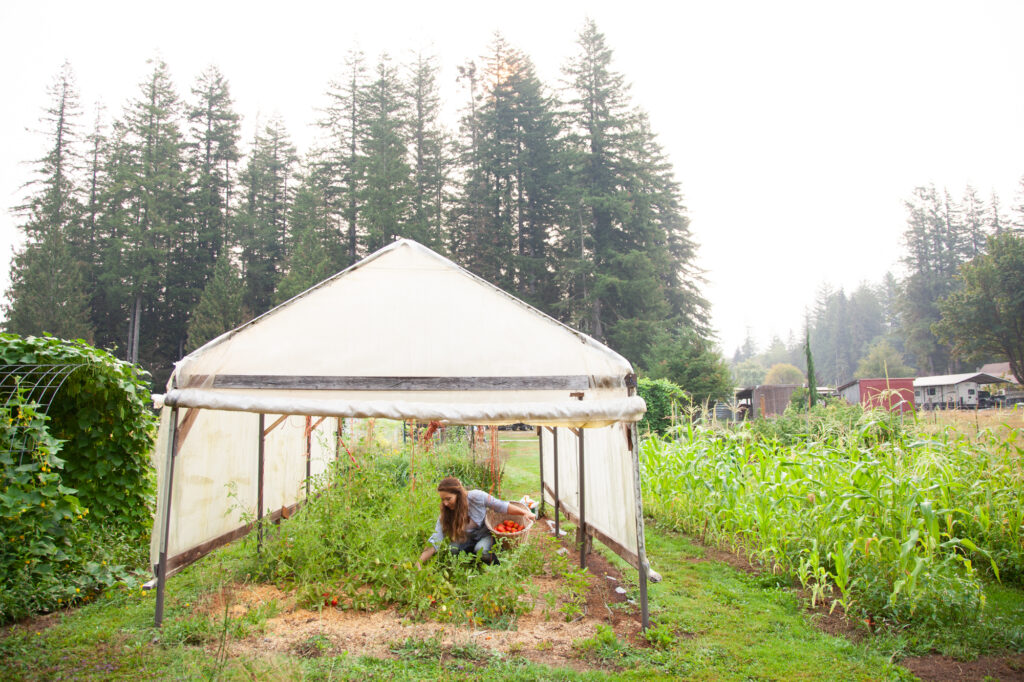
Living off the grid means adapting to limited water, unpredictable weather, and sometimes wildlife pressure. Here are some practical ways to make companion planting work in these conditions:
- Water Conservation: Group thirsty plants together and use mulch to retain moisture.
- Natural Barriers: Use aromatic herbs like rosemary or sage around beds to deter deer and rabbits.
- Raised Beds: These improve drainage and make it easier to manage soil quality—consider investing in a sturdy raised bed for long-term success.
- Rotational Planting: Change up plant locations each year to prevent soil depletion and pest buildup.
For a comprehensive look at what you’ll need to thrive in a remote setting, check out this off-grid living essentials guide for practical advice on tools, water management, and more.
Integrating Livestock and Companion Planting
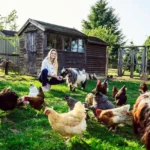
Many off-grid homesteaders raise animals alongside their gardens. Integrating livestock with your planting strategy can further boost productivity. For example, chickens can help control pests and fertilize soil, while goats or sheep can clear weeds before planting.
If you’re interested in learning more about animal care in a remote setting, see this guide on off-grid livestock care for tips on integrating animals into your homestead ecosystem.
Common Mistakes and How to Avoid Them
Even experienced gardeners can run into trouble with companion planting. Here are some pitfalls to watch for:
- Overcrowding: Too many plants in a small space can compete for nutrients and water.
- Incompatible Pairings: Some plants, like onions and beans, don’t thrive together—research before you plant.
- Neglecting Soil Health: Rotate crops and add organic matter regularly to keep soil fertile.
- Ignoring Local Conditions: Adapt classic pairings to your specific climate, pests, and wildlife.
Remember, observation is key. Keep a journal of what works and what doesn’t, and don’t be afraid to experiment.
Getting Started with Off-Grid Companion Planting
If you’re new to this approach, start small. Choose a few easy pairings and expand as you gain experience. Raised beds, vertical gardens, and container planting can help you manage space and resources more efficiently. For step-by-step guidance on setting up your homestead, explore this how to start an off-grid homestead resource.
Over time, you’ll develop a deeper understanding of your land, your crops, and the unique relationships that make your garden thrive—even in challenging conditions.
Frequently Asked Questions
What are the best plants to pair in a remote garden?
Some of the most effective combinations include tomatoes with basil, carrots with onions, and the Three Sisters (corn, beans, squash). These pairings help with pest control, soil health, and maximizing space.
How does companion planting help with pest management off the grid?
By growing certain crops together, you can naturally repel pests and attract beneficial insects. For example, marigolds deter nematodes, while dill attracts ladybugs that eat aphids.
Can I use companion planting in small or raised beds?
Absolutely. In fact, mixing crops in raised beds is a great way to optimize space and resources. Just be sure to consider each plant’s growth habit and needs to avoid overcrowding.