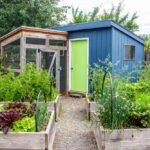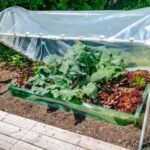
Interest in modern homesteading has surged in recent years as more people seek a balanced, sustainable lifestyle. This approach blends traditional self-sufficiency with contemporary conveniences, offering a practical path to greater independence, improved well-being, and a deeper connection to the environment. Whether you live on rural acreage or in a suburban neighborhood, the advantages of adopting homesteading practices are accessible to many.
For those just starting out, resources like modern homesteading for beginners can provide valuable guidance on building foundational skills and setting realistic goals.
Understanding the Value of Modern Homesteading
At its core, this lifestyle is about making intentional choices to produce more of what you consume, reduce reliance on commercial systems, and create a healthier, more resilient household. Unlike traditional homesteading, which often required complete off-grid living, today’s approach is adaptable and can be integrated into various living situations. For a deeper dive into how this approach differs from older methods, check out this comparison of modern and traditional homesteading.
Key Benefits of a Modern Homesteading Lifestyle
Embracing homesteading practices brings a range of tangible and intangible rewards. Here are some of the most significant advantages:
1. Enhanced Self-Sufficiency and Food Security
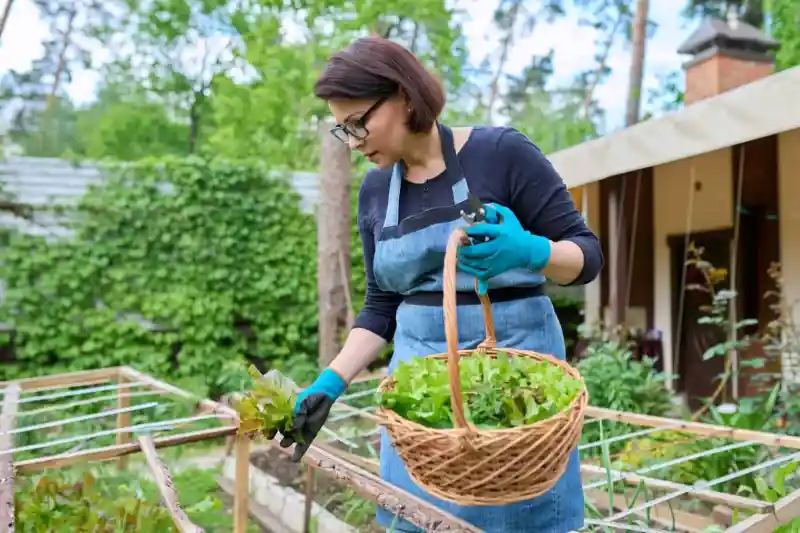
One of the most compelling benefits of modern homesteading is the ability to grow and preserve your own food. Even a small garden or a few backyard chickens can supplement your diet with fresh, nutritious produce and protein. This not only reduces trips to the grocery store but also provides peace of mind during supply chain disruptions.
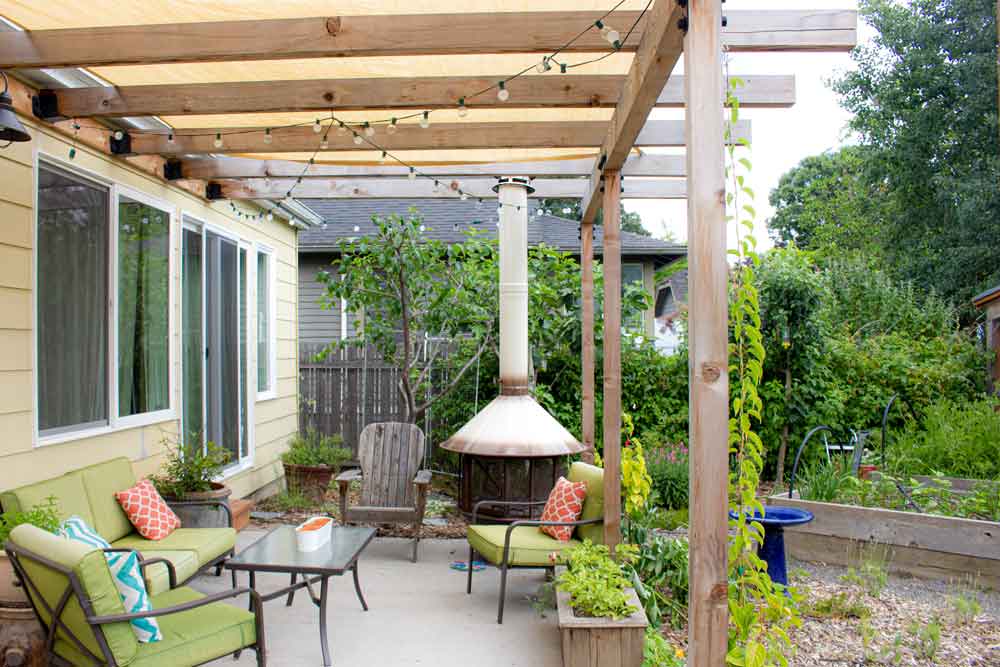
Many homesteaders also learn food preservation techniques such as canning, fermenting, and dehydrating, which extend the harvest and reduce food waste. This level of self-reliance can be empowering and practical, especially in uncertain times.
2. Improved Health and Well-Being
Growing your own food means you have greater control over what goes into your meals. Homegrown fruits, vegetables, and eggs are often fresher and more nutritious than store-bought alternatives. In addition, the physical activity involved in gardening, animal care, and other homesteading tasks promotes regular exercise and time outdoors.
Studies have shown that spending time in nature and engaging in hands-on activities can reduce stress, boost mood, and support overall mental health. Homesteading encourages a slower, more mindful pace of life, which can lead to improved life satisfaction.
3. Environmental Stewardship and Sustainability
Adopting sustainable practices is a cornerstone of the modern homesteading lifestyle. By composting, reducing waste, conserving water, and using organic gardening methods, homesteaders minimize their environmental footprint. Many also incorporate renewable energy sources, such as solar panels, and support biodiversity by planting native species.
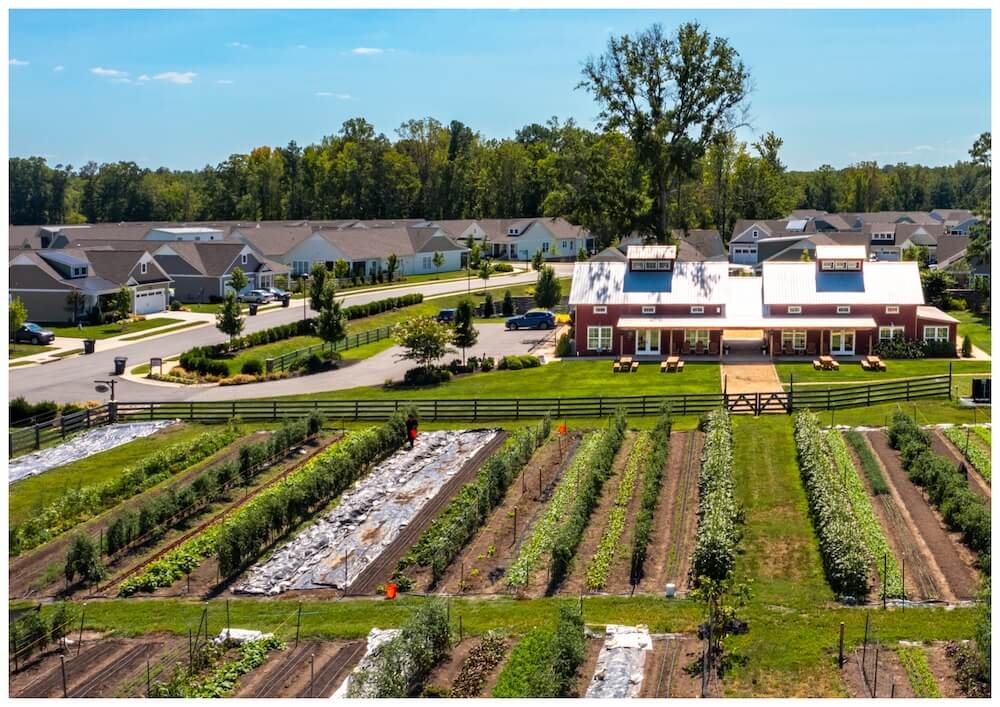
These efforts not only benefit the planet but can also inspire neighbors and communities to adopt greener habits. If you’re looking for inspiration on how to make your property more eco-friendly, explore these modern homesteading ideas for sustainable living.
4. Financial Savings and Resilience
While there may be some upfront investment in tools, seeds, or livestock, many find that homesteading leads to long-term savings. Producing your own food, making household goods, and repairing rather than replacing items can significantly reduce monthly expenses. Additionally, learning practical skills such as carpentry, sewing, or food preservation can help you weather economic downturns or unexpected challenges.
For those interested in taking self-reliance even further, a self-sufficient homestead guide can offer step-by-step advice on building a more independent lifestyle.
5. Stronger Community Connections
Contrary to the image of the isolated homesteader, many people who embrace this lifestyle find themselves more engaged with their local community. Sharing surplus produce, trading skills, and participating in farmers’ markets or community gardens fosters meaningful relationships and mutual support.
These connections can be invaluable, providing both practical assistance and a sense of belonging. As more people adopt homesteading practices, local networks of growers, makers, and doers continue to strengthen.
Practical Skills Gained Through Homesteading
Beyond the direct benefits of modern homesteading, this lifestyle encourages lifelong learning. Homesteaders often acquire a diverse set of skills, including:
- Gardening and permaculture design
- Animal husbandry and basic veterinary care
- Food preservation and storage
- Basic carpentry and home repair
- Renewable energy installation and maintenance
- Natural health remedies and herbalism
These abilities not only increase self-reliance but can also be shared with others, creating a ripple effect of knowledge and empowerment. For more tips on building these skills, see these essential modern homesteading tips.
Modern Homesteading: Flexibility for Every Lifestyle
One of the greatest strengths of this approach is its adaptability. Whether you have a large rural property, a suburban backyard, or even just a balcony, there are ways to incorporate homesteading principles into your daily life. Container gardening, composting, and DIY projects can all be scaled to fit your space and schedule.
For those interested in taking things off-grid, resources on how to live off-grid full time provide practical advice for making the transition.
Frequently Asked Questions
What is the difference between modern and traditional homesteading?
While both focus on self-sufficiency, modern homesteading is more flexible and often incorporates technology and community resources. Traditional homesteading typically involved complete off-grid living and total self-reliance, whereas today’s approach adapts to various environments and lifestyles.
Can you practice homesteading in a city or suburb?
Absolutely. Many urban and suburban residents grow food in raised beds, keep small livestock where permitted, and use sustainable practices like composting and rainwater collection. The key is to start small and build skills over time.
How much time does homesteading require?
The time commitment depends on your goals and scale. Some activities, like maintaining a garden or caring for chickens, can be managed in a few hours a week. Others, such as preserving food or building infrastructure, may require more effort during certain seasons.
Conclusion
Adopting a homesteading mindset offers a path to greater independence, improved health, and a more sustainable relationship with the world around you. Whether you’re growing your own food, learning new skills, or connecting with your community, the rewards are both practical and deeply fulfilling. With the right resources and a willingness to learn, anyone can start reaping the rewards of this modern movement.