In recent years, many people have been exploring the benefits of homesteading at home as a way to lead a more sustainable and self-sufficient life. The idea of transforming one’s home into a little haven of productivity and sustainability has captured the imagination of countless individuals. This article will delve into the various benefits of homesteading and how it can positively impact your life.
What is Homesteading?
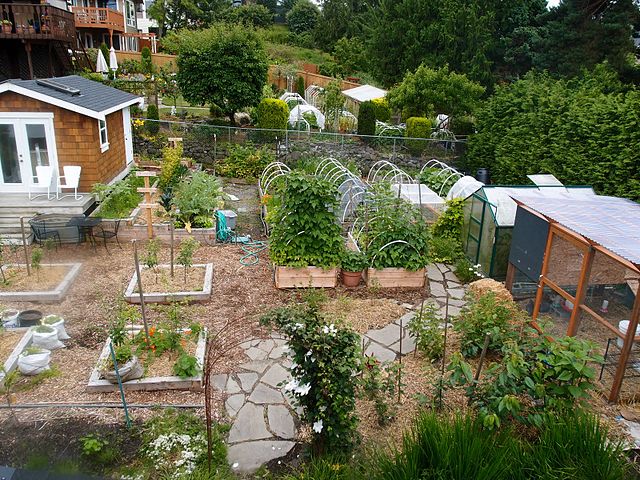
Before we dive into the benefits, it’s essential to understand what homesteading means. Homesteading is a lifestyle of self-sufficiency. It involves growing your own food, raising animals, making your own household products, and sometimes even generating your own energy. It’s about living a life that is less reliant on external systems and more in tune with nature.
The Rise of Homesteading
The growing interest in homesteading is not just a trend; it’s a movement towards a more conscious way of living. People are increasingly aware of the environmental impact of consumerism and are looking for ways to reduce their carbon footprint. Backyard Homesteading offers a fantastic starting point for those new to this lifestyle.
Health Benefits of Homesteading
Physical Health
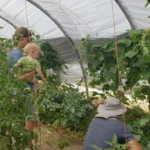
One of the immediate benefits of homesteading is the positive impact on physical health. Engaging in activities like gardening, raising livestock, and other manual labor can significantly improve physical fitness. According to physical health benefits, these activities can enhance strength, endurance, and overall well-being.
Mental Health
In addition to physical benefits, homesteading also promotes mental health. The act of nurturing plants and animals can be incredibly therapeutic. It provides a sense of purpose and accomplishment, reducing stress and anxiety levels.
Economic Benefits
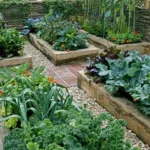
Another compelling reason to consider homesteading at home is the economic advantage. By growing your own food and making household products, you can significantly cut down on grocery bills and reduce dependency on commercial products.
Environmental Impact
Homesteading encourages sustainable practices that are beneficial for the environment. It promotes the use of organic farming methods that reduce chemical usage and help in maintaining soil fertility. Moreover, homesteading often involves recycling and reusing resources, further minimizing waste.
Self-Sufficiency
At its core, homesteading is about self-sufficiency. It empowers individuals to rely on their own skills and resources, fostering a sense of independence. Herbal medicine making is one of the many skills that can be developed through this lifestyle.
Building Community
Homesteading is not just an individual activity; it often involves building a community. Sharing resources, knowledge, and skills with other like-minded individuals can create a supportive network that enriches the homesteading experience.
Educational Opportunities
Homesteading offers numerous educational opportunities for both adults and children. It provides a practical way to learn about biology, ecology, and sustainable practices. Teaching kids homestead skills can set them up for a lifetime of sustainability.
Embracing Aquaponics
One innovative aspect of homesteading is the integration of aquaponics systems. These systems combine fish farming and plant cultivation, providing a sustainable way to grow food. For urban dwellers, aquaponics can be an excellent way to incorporate homesteading practices into limited spaces.
Preserving Food
Another aspect of homesteading is food preservation. Techniques such as canning, fermenting, and drying allow individuals to store food for longer periods, reducing waste and ensuring a steady supply of nutritious foods year-round.
Animal Husbandry
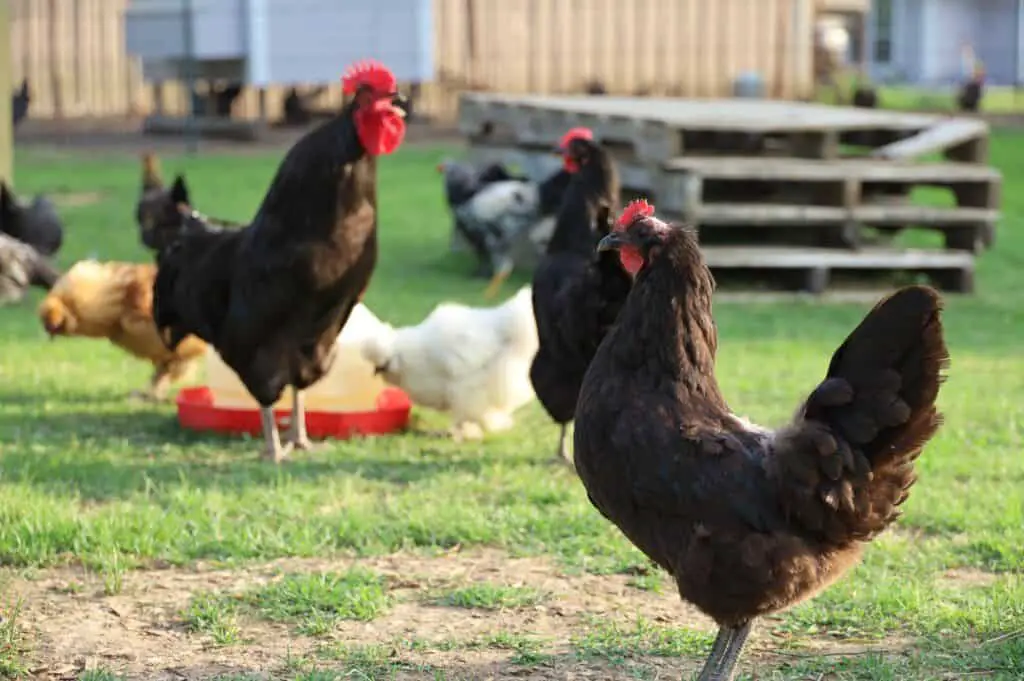
Raising animals is a common component of homesteading. Chickens for eggs, goats for milk, and bees for honey are just a few examples. These animals not only provide food but also contribute to the ecosystem of the homestead.
Natural Building Techniques
Some homesteaders take their commitment to sustainability further by using natural building techniques. This can involve constructing homes and outbuildings from natural materials like straw bales, cob, or reclaimed wood, minimizing environmental impact.
Conclusion
The benefits of homesteading at home are numerous and varied, offering a rewarding lifestyle that is both sustainable and fulfilling. By embracing homesteading, individuals can enjoy improved health, financial savings, and a sense of community, all while contributing to a healthier planet.
FAQs
What is the initial investment required for homesteading?
The initial investment can vary depending on the scale and scope of your homesteading activities. Basic gardening and small-scale projects can start with minimal investment.
Is homesteading suitable for urban areas?
Yes, homesteading can be adapted to urban areas through techniques like vertical gardening and urban farming practices.
Do I need a lot of land to start homesteading?
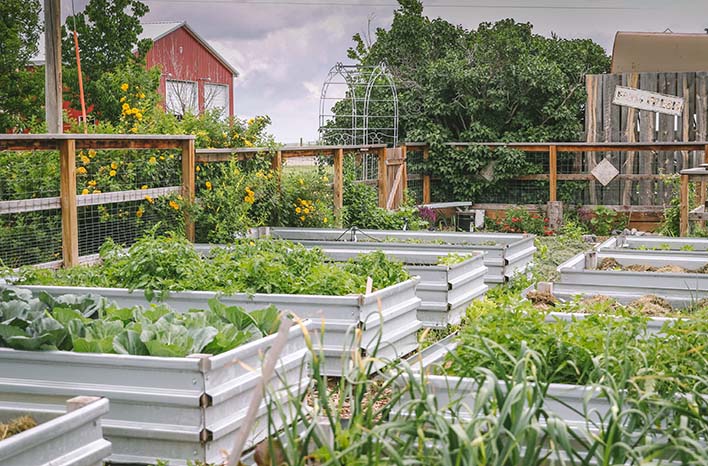
No, you do not need a vast amount of land to begin homesteading. Many homesteaders make efficient use of small spaces to produce food and other resources.