In today’s fast-paced world, many individuals are turning back to basics, seeking to understand the benefits of homegrown food. Homesteading enthusiasts, or ‘Homestead Dreamers’, are at the forefront of this movement, realizing the profound impact that cultivating their own food can have on their lives. If you are curious about why so many people are embracing this lifestyle, read on as we explore the numerous advantages of growing your own food.
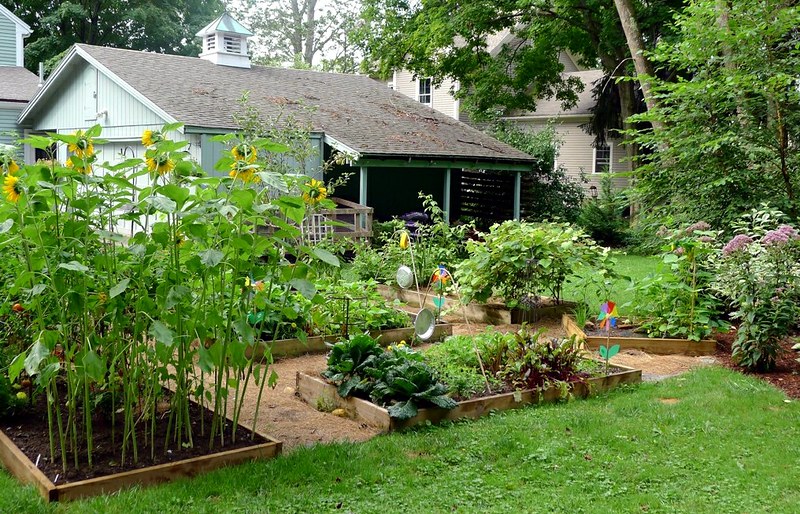
Why Choose Homegrown?
The choice to grow your own food comes with a myriad of benefits. These benefits go beyond just the food itself; they encompass health, environmental, and economic aspects.
Health Benefits
One of the primary benefits of homegrown food is the positive impact it has on your health. When you grow your own food, you have complete control over what goes into your plants. This means you can avoid harmful pesticides and fertilizers, resulting in chemical-free produce. Moreover, homegrown food is often fresher and retains more nutrients than store-bought alternatives. For more tips on maintaining a healthy homestead, check out this frugal living guide.
Environmental Benefits
By choosing to cultivate your own food, you are actively contributing to environmental sustainability. Homegrown food reduces your carbon footprint as it eliminates the need for transportation and packaging. Additionally, you can practice sustainable farming methods such as composting, which enriches the soil and reduces waste. For more on sustainable homesteading, visit urban homesteading ideas.
Economic Benefits
Growing your own food can also be highly economical. It reduces your reliance on grocery stores, leading to significant savings. By investing time and effort into your garden, you can produce a bounty of food that is both cost-effective and rewarding. If you’re considering starting a homestead on a budget, this budget guide can be a great resource.
Getting Started with Homegrown Food
Embarking on the journey of growing your own food can seem daunting, but with the right approach, it can be a fulfilling endeavor.
Start Small
Begin your homegrown journey by starting small. Choose a few easy-to-grow vegetables or herbs to gain confidence and experience. As you become more comfortable, you can expand your garden.
Understand Your Space
Evaluate the space you have available for gardening. Whether you have a small balcony or a large backyard, there are ways to make the most of your space. Container gardening is a fantastic option for those with limited space.
Learn and Adapt
Growing your own food is a learning process. Be prepared to face challenges and adapt your methods. There are countless resources available online and within homesteading communities to help you succeed. For more on self-reliance, explore this self-reliance guide.
Community and Social Benefits
Beyond personal benefits, homegrown food fosters a sense of community and connection. Sharing your bounty with neighbors or participating in local farmers’ markets can create bonds and strengthen community ties.
Building Connections
Engaging with others who share your passion for homegrown food can be incredibly rewarding. Joining gardening clubs or participating in community gardens can provide valuable learning experiences and friendships.
Educating Future Generations
Homegrown food also presents an opportunity to educate younger generations about the importance of sustainability and healthy eating. Involving children in gardening teaches them valuable skills and instills a love for nature. For more on teaching kids homestead skills, visit this educational guide.
Conclusion
The benefits of homegrown food are vast and varied, impacting health, the environment, and community. As more individuals strive for self-sufficiency and sustainability, the trend of growing your own food continues to gain traction. Whether you are a seasoned gardener or just beginning your journey, the rewards of homegrown food are waiting for you.
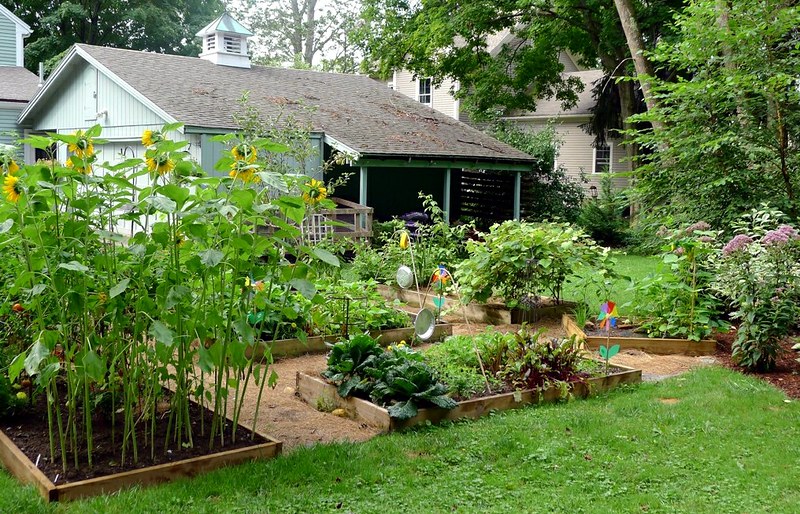
FAQs
What are the health benefits of homegrown food?
Homegrown food is typically fresher and contains more nutrients than store-bought options. It is also free from harmful chemicals and pesticides, contributing to better overall health.
How can I start growing my own food?
Start small by selecting a few easy-to-grow plants, such as herbs or leafy greens. Understand your available space and consider container gardening if space is limited. Learning from online resources and local gardening communities can also be helpful.
What are the environmental benefits of homegrown food?
Growing your own food reduces your carbon footprint by eliminating transportation and packaging. It also allows you to practice sustainable farming methods, such as composting, which benefits the environment.