Permaculture design offers a holistic approach to growing food and managing landscapes that goes beyond sustainability—it actively supports better health and nutrition. By mimicking natural ecosystems and prioritizing local, nutrient-rich foods, this method empowers individuals and communities to make choices that benefit both their bodies and the environment. In this article, we’ll explore how the principles of permaculture can be woven into daily life to enhance well-being, focusing on practical dietary practices and the broader environmental advantages.

Understanding the Foundations of Permaculture
At its core, permaculture is about designing landscapes that function like natural ecosystems. The concept was developed in the 1970s by Bill Mollison and David Holmgren, who envisioned a system where food, fiber, and energy are produced in harmony with nature. Rather than relying on industrial agriculture’s heavy inputs and monocultures, permaculture emphasizes diversity, resilience, and regeneration.
This approach is especially relevant to health and nutrition because it encourages the cultivation of a wide variety of crops, many of which are rich in essential nutrients. By fostering biodiversity and working with natural cycles, permaculture helps ensure that food is not only abundant but also nourishing.
Core Principles That Support Health and Nutrition
The guiding ethics of permaculture design for health and nutrition are simple yet profound: care for the earth, care for people, and share the surplus. These principles are the foundation for all permaculture practices and have direct implications for dietary well-being.
- Care for the Earth: By nurturing soil health, conserving water, and promoting biodiversity, permaculture creates the conditions for growing nutrient-rich foods without harmful chemicals.
- Care for People: The focus on local, accessible food systems means communities can access fresh, healthy produce, reducing reliance on processed foods.
- Share the Surplus: Encouraging the distribution of excess harvests fosters community resilience and supports those who may lack access to healthy food.
According to the Extension Gardener Handbook, permaculture is defined as “consciously designed landscapes that mimic natural patterns, yielding food, fiber, and energy.” This approach can be applied on any scale, from backyard gardens to urban farms, making it accessible to individuals and communities alike.
How Permaculture Practices Enhance Well-Being
Integrating permaculture design for health and nutrition into food production and daily life offers several clear benefits:
- Improved Nutritional Quality: Growing a diverse range of fruits, vegetables, herbs, and perennial crops ensures a steady supply of vitamins, minerals, and phytonutrients. Unlike industrial monocultures, permaculture gardens support a balanced diet by encouraging variety.
- Reduced Exposure to Chemicals: Permaculture avoids synthetic fertilizers and pesticides, which means the food produced is less likely to contain residues that can negatively impact health.
- Fresher, Local Foods: By focusing on local production, permaculture reduces the time between harvest and consumption, preserving nutrients that are often lost during transportation and storage.
- Physical and Mental Health: Participating in gardening and food production can promote physical activity, reduce stress, and foster a sense of connection to nature and community.
These benefits are not just theoretical; they are visible in communities that have adopted permaculture principles, where access to fresh produce and community engagement have led to measurable improvements in well-being.
Practical Examples of Permaculture for Better Nutrition
Applying permaculture principles to food production can take many forms, each offering unique advantages for health and nutrition. Here are some practical ways to put these ideas into action:
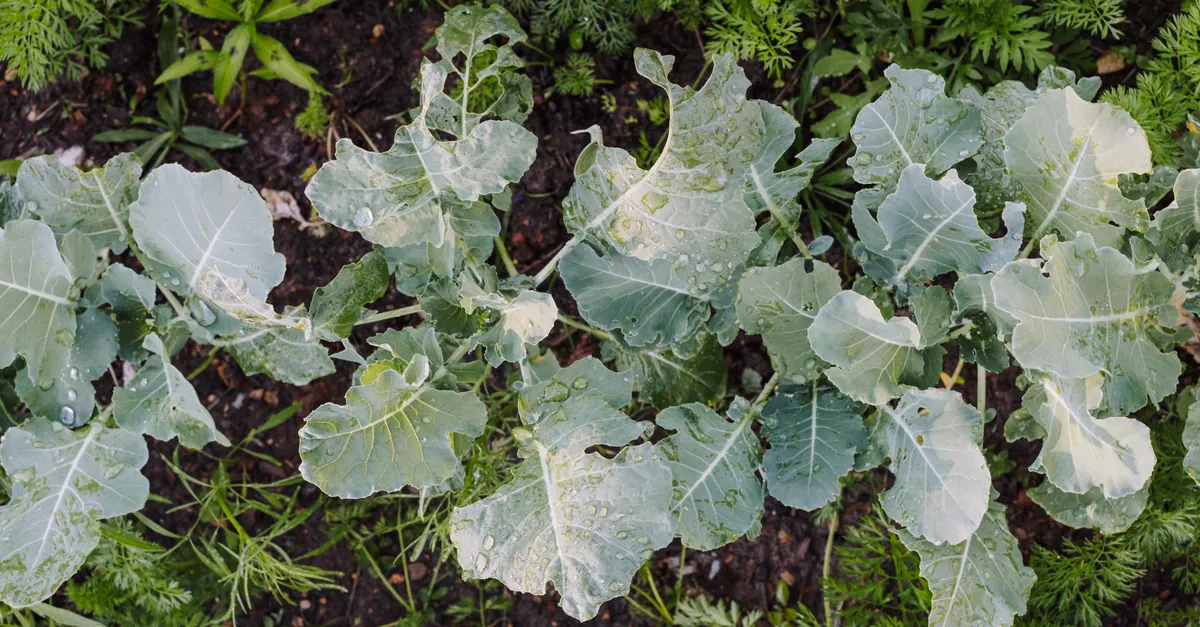
- Polyculture Gardens: Instead of planting a single crop, polyculture involves growing multiple species together. For example, the “three sisters” method—corn, beans, and squash—creates a mutually supportive system that provides a range of nutrients.
- Perennial Food Forests: These systems mimic natural forests but are designed for food production. Layers of edible plants, from fruit trees to ground covers, offer year-round harvests and support soil health.
- Composting and Soil Building: Healthy soil is the foundation of nutritious food. Composting kitchen scraps and garden waste returns nutrients to the soil, supporting robust plant growth.
- Rainwater Harvesting: Collecting and using rainwater reduces reliance on municipal supplies and ensures that plants receive clean, chemical-free water.
- Urban Permaculture: Even in cities, rooftop gardens, vertical planters, and community plots can provide fresh produce. For more on this, see how permaculture design for urban farming is making a difference in city environments.
These strategies can be adapted to fit any space or climate, making them accessible whether you have a large yard or a small balcony.
Integrating Permaculture with Everyday Dietary Choices
The real power of permaculture design for health and nutrition lies in its integration with daily eating habits. Here’s how you can bring these principles to your plate:
- Prioritize Local and Seasonal Foods: Choose ingredients that are grown nearby and in season. This not only supports local farmers but also ensures you’re eating food at its nutritional peak.
- Embrace Diversity: Incorporate a wide range of plant foods into your diet. Try new vegetables, herbs, and fruits—especially those that thrive in your region.
- Reduce Food Waste: Use the whole plant whenever possible, and compost scraps to close the nutrient loop. This supports both environmental and personal health.
- Grow Your Own: Even a small herb garden or a few pots of greens can make a difference. Homegrown produce is often fresher and more flavorful than store-bought options.
- Connect with Community: Share surplus harvests, join a local food co-op, or participate in community-supported agriculture (CSA) programs to access a wider variety of fresh foods.
By making these choices, you align your diet with the ethics of permaculture, supporting both your own health and the well-being of the planet.
Environmental Benefits Linked to Health and Nutrition
Permaculture’s positive impact extends beyond the individual plate. By fostering sustainable food systems, it contributes to cleaner air and water, richer soils, and greater biodiversity—all of which are essential for long-term health.
- Soil Regeneration: Healthy soils produce more nutritious crops and sequester carbon, helping to mitigate climate change.
- Water Conservation: Techniques like mulching and rainwater harvesting reduce water use and protect local ecosystems.
- Biodiversity: Diverse plantings support pollinators and beneficial insects, which are crucial for food production and ecosystem stability.
These environmental benefits create a feedback loop: healthier ecosystems produce healthier food, which in turn supports healthier people.
Conclusion: The Lasting Value of Permaculture for Well-Being
Permaculture offers a pathway to better health and nutrition by reconnecting us with the natural world and encouraging thoughtful, sustainable choices. By applying its principles to both how we grow food and how we eat, we can enjoy more diverse, nutrient-rich diets while supporting the environment. Whether you start with a small garden, join a community initiative, or simply choose more local and seasonal foods, every step toward permaculture is a step toward a healthier future.
Frequently Asked Questions
What are the core principles of permaculture?
Permaculture is built on three main ethics: care for the earth, care for people, and sharing the surplus. These guide all design decisions and help create systems that are sustainable and regenerative.
How does permaculture improve nutrition?
Permaculture encourages growing a wide variety of crops without synthetic chemicals, resulting in fresher, more nutrient-dense foods. It also supports local food systems, making it easier to access healthy produce.
Can I practice permaculture in an urban environment?
Absolutely. Urban permaculture includes techniques like container gardening, rooftop gardens, and community plots. These methods make it possible to grow fresh food and apply permaculture principles even in small spaces.