
Urban farming is rapidly gaining momentum as cities seek sustainable ways to produce food, foster community, and improve local environments. By integrating permaculture design for urban farming, city dwellers can transform small spaces into productive, resilient ecosystems. This approach goes beyond simply growing vegetables in containers; it applies holistic principles that mimic natural systems, creating lasting benefits for people and the planet. In this guide, we’ll explore the foundational ideas behind urban permaculture, its advantages, and real-world examples that demonstrate its transformative potential.
Understanding Permaculture in Urban Farming
Permaculture is a design philosophy centered on working with nature to create sustainable human habitats. Originally developed for rural landscapes, its core concepts are highly relevant to urban environments. In cities, permaculture encourages the use of available space—rooftops, balconies, vacant lots—to cultivate food, restore biodiversity, and build community connections. By applying permaculture design for urban farming, individuals and groups can address challenges like limited land, resource scarcity, and environmental degradation.
Urban permaculture is not just about growing food; it’s about designing systems that are regenerative, resilient, and beneficial to both people and the environment. This includes integrating water conservation methods, using renewable resources, and fostering social networks that support long-term sustainability.
Core Principles of Permaculture Design
At the heart of permaculture are several guiding principles that shape how urban spaces can be transformed. According to the Arbor Day Foundation, these principles include:
- Working with Nature: Instead of fighting natural processes, permaculture seeks to understand and collaborate with them. For example, choosing plants suited to local climate and soil conditions reduces the need for chemical inputs and irrigation.
- Production for Human Use: Urban permaculture designs prioritize food, herbs, and other useful yields that support local needs. This might mean planting fruit trees along sidewalks or creating vertical gardens on building walls.
- Creating Sustainable Human Environments: Designs aim for long-term resilience by recycling resources, minimizing waste, and supporting biodiversity. Composting, rainwater harvesting, and polyculture planting are common strategies.
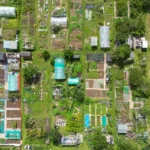
When applying these principles in cities, creativity is key. Rooftop gardens, community plots, and vertical gardening systems allow for food production in places where traditional agriculture isn’t possible. Incorporating native plants and pollinator habitats further enhances urban biodiversity.
Advantages of Permaculture in City Settings
Adopting permaculture design for urban farming brings a range of benefits to individuals, communities, and the broader environment. These advantages extend beyond food production, influencing social, economic, and ecological well-being.
Environmental Benefits
- Biodiversity: Diverse plantings attract pollinators and beneficial insects, supporting urban wildlife and ecosystem health.
- Water Conservation: Techniques like mulching, swales, and rainwater harvesting reduce runoff and make efficient use of limited water resources.
- Soil Health: Composting and minimal tillage practices restore soil fertility, even in previously degraded urban lots.
Social and Economic Benefits
- Community Engagement: Shared gardens and permaculture projects bring neighbors together, fostering collaboration and mutual support.
- Food Security: Local food production increases access to fresh, healthy produce, especially in areas with limited grocery options.
- Cost Savings: Growing food at home or in community spaces can reduce grocery bills and reliance on transported goods.
For a deeper dive into how these principles enhance resilience, readers may find the discussion on permaculture design for community resilience particularly relevant.
Real-World Examples: Urban Permaculture in Action
While the theory of permaculture is inspiring, practical examples show how these ideas work on the ground. Here are three case studies that illustrate the impact of urban permaculture projects:
Beacon Food Forest, Seattle, USA
The Beacon Food Forest is a seven-acre public food forest located in Seattle. Started by local volunteers, the project transformed underused land into a thriving ecosystem of fruit trees, berry bushes, vegetables, and herbs. The design follows permaculture principles, emphasizing perennial crops, polycultures, and water management. The site is open to the public, providing free food and educational opportunities while enhancing urban biodiversity.
Incredible Edible, Todmorden, UK
In Todmorden, a small town in England, the Incredible Edible movement turned public spaces—such as sidewalks, train stations, and schools—into edible landscapes. Residents plant and maintain vegetables, herbs, and fruit trees for anyone to harvest. This grassroots initiative demonstrates how permaculture design for urban farming can foster community spirit, improve food access, and transform the urban environment.
Melbourne’s CERES Community Environment Park, Australia
CERES is a 10-acre urban farm and environmental education center in Melbourne. The site features community gardens, food forests, renewable energy systems, and water conservation projects. By applying permaculture principles, CERES has become a model for sustainable urban living, offering workshops, volunteer opportunities, and fresh produce to the local community.
Building Community Through Urban Permaculture
One of the most powerful aspects of urban permaculture is its ability to bring people together. Community gardens, shared composting systems, and collaborative design projects create opportunities for neighbors to connect, share knowledge, and work toward common goals. These efforts can strengthen social ties, reduce isolation, and empower residents to take charge of their local environment.
Urban permaculture projects often serve as hubs for education and activism, inspiring others to adopt sustainable practices. By demonstrating what’s possible in even the most built-up areas, these initiatives help shift mindsets and encourage broader adoption of regenerative agriculture.
Looking Ahead: The Future of Urban Permaculture
As cities continue to grow, the need for sustainable food systems becomes more urgent. Permaculture offers a pathway to resilient, productive, and beautiful urban landscapes. Whether you have a balcony, a backyard, or access to a community plot, there are countless ways to get involved. Start small by growing herbs in containers, joining a local garden, or learning about composting solutions for your home.
The future of urban permaculture depends on community engagement, creative problem-solving, and a willingness to learn from nature. By embracing these principles, city dwellers can help build healthier, more sustainable environments for generations to come.
Frequently Asked Questions
What are the main principles of permaculture design?
The main principles include working with natural systems, producing for human needs, recycling resources, and designing for sustainability. In urban settings, this often means choosing appropriate plants, conserving water, and fostering biodiversity.
How can I start applying permaculture in my city garden?
Begin by observing your space—note sunlight, water flow, and existing plants. Use raised beds or containers if ground space is limited. Incorporate composting, plant a mix of perennials and annuals, and consider native species to attract local wildlife.
What impact does urban permaculture have on communities?
Urban permaculture strengthens communities by encouraging collaboration, sharing resources, and providing educational opportunities. Projects like community gardens and food forests can improve food security, foster social connections, and enhance neighborhood resilience.