Embracing a self-sufficient lifestyle away from municipal utilities is becoming increasingly appealing for those seeking independence, sustainability, and a closer connection to nature. Understanding modern homesteading off grid basics is essential for anyone interested in building a resilient, eco-friendly life. This approach combines traditional skills with innovative technology, allowing individuals and families to thrive without relying on public power, water, or waste systems.
Whether you are considering a rural retreat, a suburban backyard transformation, or a complete lifestyle overhaul, learning the fundamentals of off-grid living is the first step. In this article, we’ll cover the core principles, practical systems, and essential skills you need to get started. For those interested in integrating sustainable agriculture, the modern homesteading permaculture principles guide offers valuable insights into designing productive, regenerative landscapes.
Understanding the Foundations of Off-Grid Living
At its core, living off the grid means operating independently from public utilities. This involves generating your own electricity, sourcing water, managing waste, and often producing food. The basics of modern homesteading off grid revolve around self-reliance, resourcefulness, and adaptability.
- Energy Independence: Most off-grid homes rely on solar panels, wind turbines, or micro-hydro systems for electricity. Battery storage and backup generators are common for reliability.
- Water Security: Collecting rainwater, drilling wells, and using filtration systems ensure a steady supply of clean water.
- Waste Management: Composting toilets, greywater recycling, and septic systems are typical solutions for handling waste responsibly.
- Food Production: Growing vegetables, raising livestock, and preserving harvests are central to reducing dependency on external food sources.
For a deeper dive into sustainable gardening and seasonal planning, the modern homesteading gardening calendar is a helpful resource for mapping out your planting and harvesting schedule.
Essential Skills for Self-Sufficiency
Building a successful off-grid homestead requires a diverse set of skills. While you don’t need to master everything at once, focusing on a few key areas will set a strong foundation.
- Basic Carpentry and Construction: From building chicken coops to repairing fences, hands-on skills are invaluable.
- Gardening and Animal Husbandry: Understanding soil health, crop rotation, and animal care is crucial for food security.
- Preservation Techniques: Canning, fermenting, dehydrating, and freezing help extend your harvest and reduce waste.
- Renewable Energy Maintenance: Learning how to maintain solar panels or troubleshoot battery banks saves money and ensures reliability.
Many off-grid enthusiasts also explore advanced systems like modern homesteading hydroponics basics or aquaponics to maximize food production in limited space or challenging climates.
Setting Up Off-Grid Utilities: Power, Water, and Waste
Creating a reliable infrastructure is one of the most important aspects of living independently. Here’s a closer look at the main systems you’ll need to establish:
Solar and Alternative Energy Systems
Solar panels are the most popular choice for off-grid electricity. They are scalable, relatively easy to install, and require minimal maintenance. Wind and micro-hydro systems can supplement solar, especially in areas with less sunlight. Battery banks store excess energy for use at night or during cloudy periods.
Water Collection and Filtration
Rainwater harvesting is a practical solution for many homesteads. Gutters direct water into storage tanks, which can be filtered for drinking, cooking, and irrigation. Wells provide a more permanent solution, but require upfront investment and regular testing. For more on water collection, see the modern homesteading rainwater harvesting guide.
Managing Waste Off the Grid
Composting toilets are eco-friendly and reduce water usage. Greywater systems recycle water from sinks and showers for garden use. Septic systems are another option, but require proper installation and maintenance to avoid environmental issues.
Food Security and Sustainable Agriculture
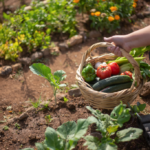
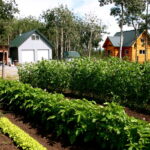
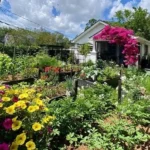
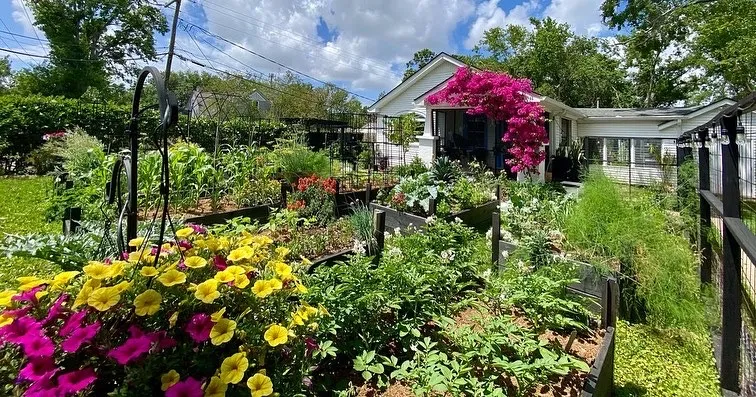
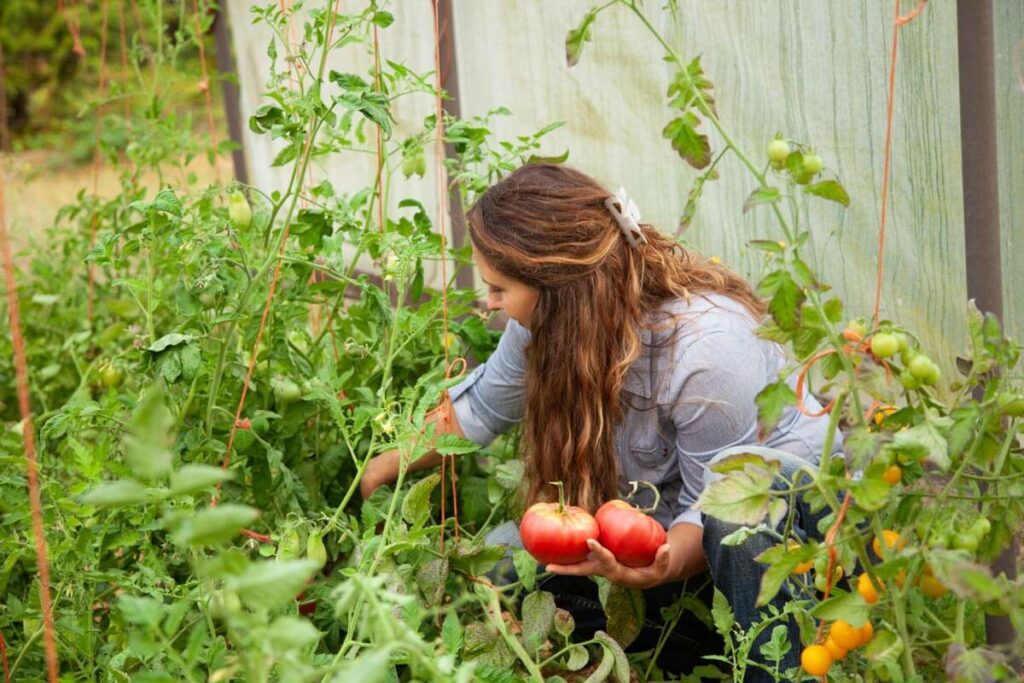
Growing your own food is a cornerstone of self-sufficient living. Even small plots can yield impressive harvests with the right planning and care. Raised beds, permaculture designs, and companion planting help maximize productivity while minimizing labor and resource use.
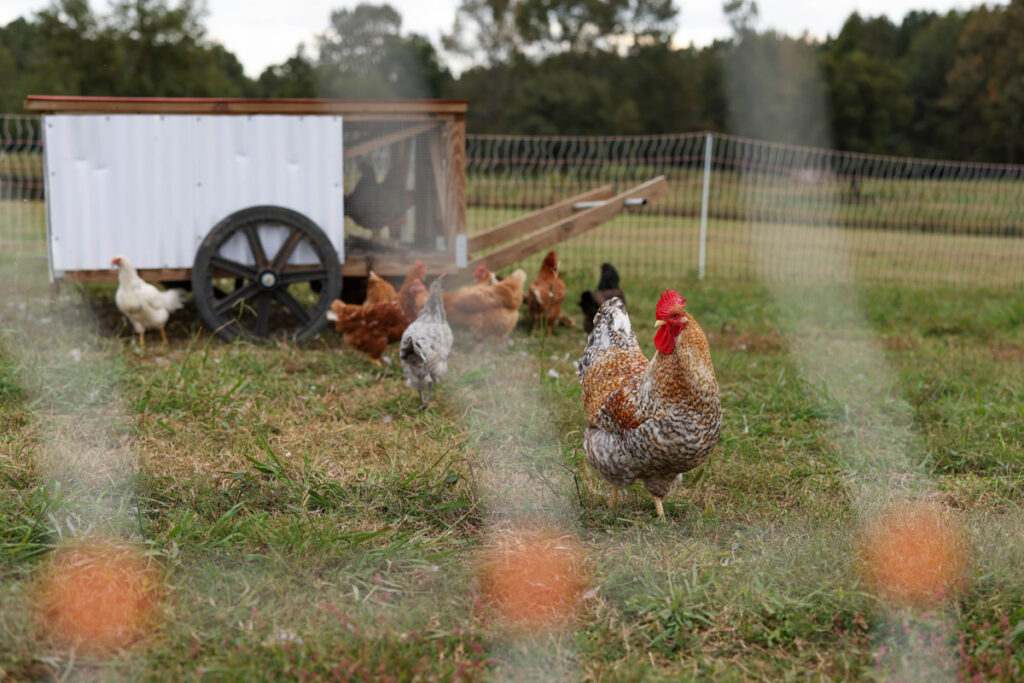
Raising chickens, goats, or rabbits can provide eggs, milk, and meat. Integrating livestock with gardens creates a closed-loop system where waste becomes fertilizer, and animals help control pests and weeds. For those interested in water-based growing systems, the modern homesteading aquaponics guide offers an introduction to combining fish and plant production.
Adapting to Challenges and Building Community
Living off the grid comes with unique challenges, from unpredictable weather to equipment failures. Flexibility, problem-solving, and a willingness to learn are essential traits. Connecting with other homesteaders, both locally and online, can provide support, knowledge sharing, and even bartering opportunities.
For a broader perspective on what it means to live this way, this overview of homesteading explains the philosophy and practicalities behind the movement.
Frequently Asked Questions
What are the first steps to starting an off-grid homestead?
Begin by assessing your site for sunlight, water access, and soil quality. Research local regulations, then prioritize setting up basic utilities like power and water. Start small with gardening or a few animals, and gradually expand as your skills grow.
How much land do I need for off-grid living?
The amount of land required depends on your goals. Many people find that 1–5 acres is sufficient for a family garden, small livestock, and a comfortable living space. Larger properties offer more flexibility but require more maintenance.
Is it expensive to set up an off-grid homestead?
Initial costs can be significant, especially for solar panels, batteries, and water systems. However, many homesteaders offset expenses by building gradually, using recycled materials, and learning DIY skills. Over time, reduced utility bills and increased self-reliance can lead to long-term savings.