
Living independently from public utilities brings a sense of freedom and self-reliance, but it also introduces unique risks and responsibilities. For those choosing to build a life away from the grid, understanding off-grid homestead insurance is essential. This type of protection is different from standard homeowners policies, as it must address the specific challenges and assets of rural, self-sufficient properties.
Whether you’re just starting your journey or already managing a remote property, knowing what coverage options exist—and what gaps to look out for—can help you safeguard your investment and lifestyle. Before diving into coverage details, it’s also wise to consider related topics like financing an off-grid homestead and understanding local regulations, as these factors often influence your insurance needs and eligibility.
What Makes Insurance for Off-Grid Homesteads Unique?
Insuring a property that operates independently from municipal services involves more than just a rural location. Off-grid living often means alternative energy sources, private water and waste systems, and a mix of residential, agricultural, and sometimes even commercial activities. These factors can complicate the process of finding the right insurance policy.
- Alternative energy systems (solar, wind, hydro) may require special endorsements or separate coverage.
- Structures like barns, workshops, and greenhouses often fall outside standard home insurance definitions.
- Livestock, crops, and farm equipment introduce additional risks not covered by typical homeowners policies.
- Remote locations may increase response times for emergency services, affecting risk assessments and premiums.
Because of these differences, it’s important to work with insurers familiar with rural and self-sufficient properties. Some companies specialize in agricultural or farm insurance, which can often be tailored to fit the needs of an off-grid lifestyle.
Key Components of Off-Grid Property Coverage
A comprehensive off-grid homestead insurance plan typically combines several types of protection. Here’s what to look for when evaluating your options:
Dwelling and Outbuilding Protection
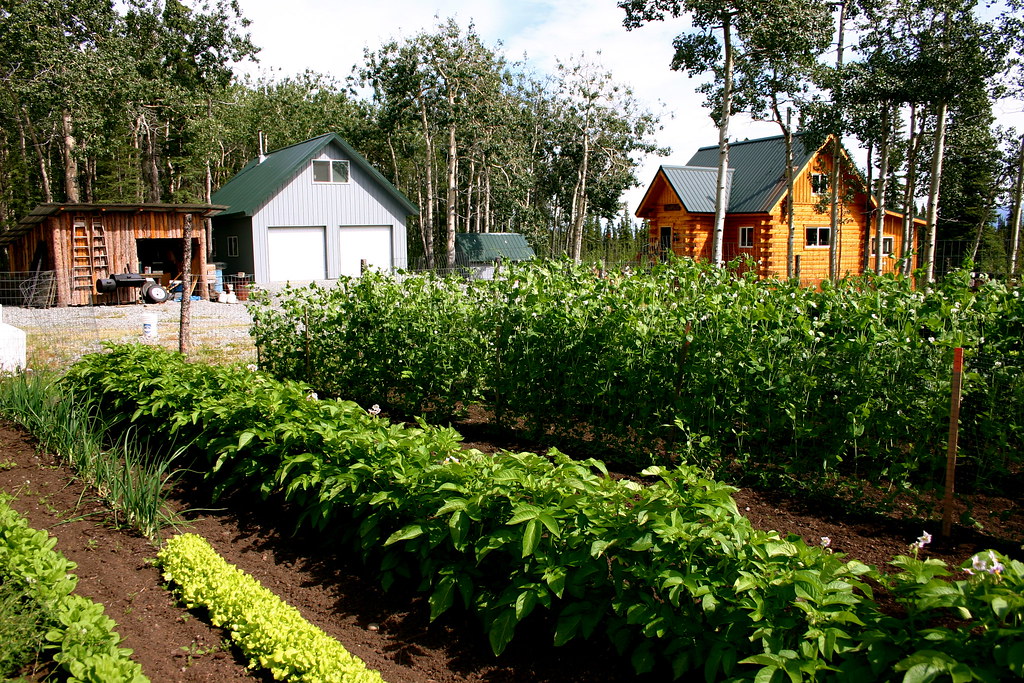
Coverage for your main residence is the foundation of any policy. However, most off-grid properties also include sheds, barns, greenhouses, and workshops. Make sure each structure is listed and valued appropriately, as standard policies may only cover the main home.
Personal Property and Equipment
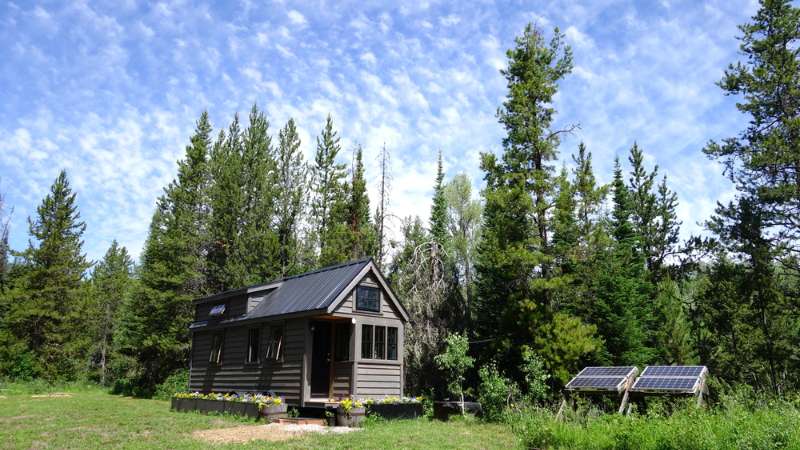
Tools, generators, solar panels, batteries, and other off-grid essentials should be included in your personal property coverage. Keep an updated inventory and consider whether you need replacement cost or actual cash value protection.
Liability Coverage
Liability protection is crucial, especially if you host visitors, sell farm products, or allow hunting or recreation on your land. This coverage helps protect you financially if someone is injured on your property or if you accidentally cause damage to someone else’s property.
Livestock and Agricultural Assets
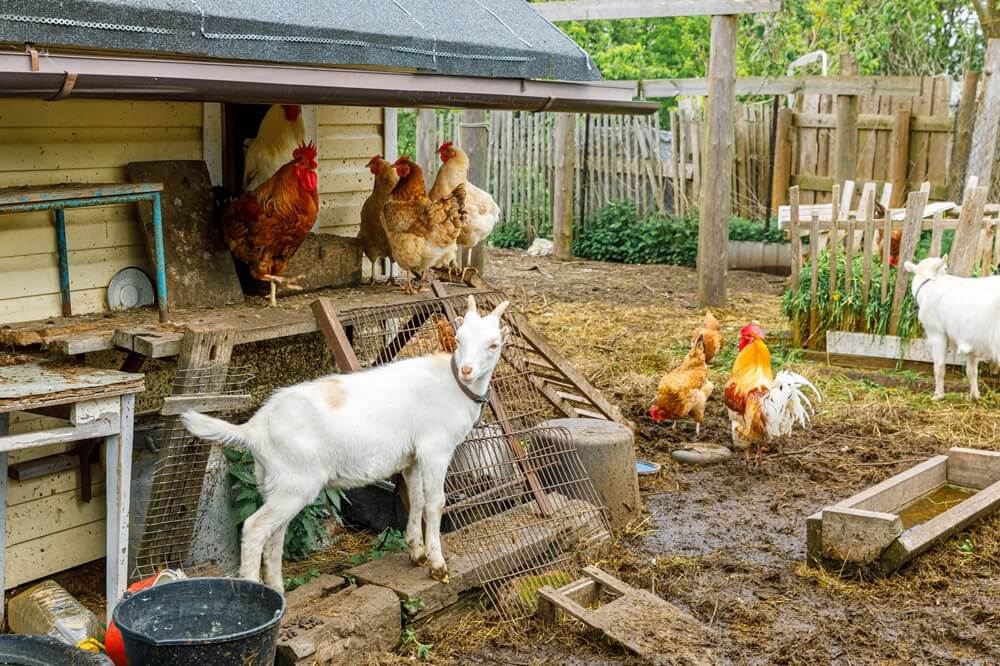
Many off-grid homesteaders raise animals or grow crops. Standard homeowners insurance rarely covers these assets, so you may need a farm or ranch policy. Coverage can include livestock mortality, crop loss, and protection for tractors and other farm machinery.
Common Exclusions and Coverage Gaps
Even with a well-structured policy, there are often exclusions that off-grid property owners should be aware of:
- Unpermitted structures or buildings not up to local code may not be covered.
- Certain types of alternative energy systems might require additional documentation or inspections.
- Flood and earthquake damage are usually excluded and require separate policies.
- Commercial activities (like selling produce or crafts) may void standard residential coverage unless specifically added.
Reviewing your policy in detail and discussing your setup with your agent is the best way to avoid surprises. It’s also helpful to stay informed about off-grid homestead laws in your area, as compliance can impact both eligibility and claims.
How to Find the Right Policy for Your Homestead
Not all insurance companies are comfortable underwriting off-grid properties, but options are expanding as more people embrace sustainable living. Here are some steps to help you find suitable coverage:
- Document your property with photos, lists of structures, and details about energy, water, and waste systems.
- Contact multiple insurers, including those specializing in rural, farm, or alternative energy properties.
- Be transparent about your setup, including any business activities or unique features.
- Compare quotes and coverage details carefully, paying attention to exclusions and deductibles.
- Review and update your policy annually or after major changes to your property.
If you’re budgeting for your move, you may also want to read about the cost of off-grid homesteading to get a clearer picture of your overall expenses.
Tips for Lowering Your Insurance Premiums
While rural and off-grid properties can sometimes be more expensive to insure, there are ways to keep costs manageable:
- Invest in safety upgrades like smoke detectors, fire extinguishers, and security systems.
- Maintain clear access for emergency vehicles and keep driveways and roads in good condition.
- Bundle policies (home, auto, farm) with the same insurer for potential discounts.
- Choose higher deductibles if you have the savings to cover minor losses.
- Demonstrate compliance with local codes and regulations.
Staying proactive about property maintenance and documentation can also help when it comes time to file a claim.
Resources for Off-Grid Living and Insurance
For a broader look at what’s needed to thrive away from the grid, check out this comprehensive guide to off-grid living essentials. It covers everything from power and water to food production and emergency preparedness.
If you’re interested in saving money, off-grid living on a budget offers practical tips for reducing expenses without sacrificing comfort or safety. And for those curious about taxation, taxes for off-grid properties explains what to expect when it comes to property and income taxes in rural areas.
Frequently Asked Questions
Can I get insurance if my off-grid home is not connected to public utilities?
Yes, it’s possible to insure a property that operates independently from public utilities. However, you may need to seek out insurers who specialize in rural or alternative energy properties. Be prepared to provide detailed information about your systems and structures.
Are solar panels and wind turbines covered under standard homeowners insurance?
These systems are not always included in basic policies. You may need to add endorsements or purchase separate coverage for alternative energy equipment. Always confirm with your insurer to ensure your investment is protected.
Does insurance cover livestock and crops on my homestead?
Standard homeowners policies rarely cover agricultural assets. If you raise animals or grow crops, look for a farm or ranch policy that specifically includes these items. Coverage can often be customized to fit your operation.
What if I run a small business from my off-grid property?
Running a business, such as selling produce or crafts, may not be covered under a residential policy. Discuss your activities with your agent to ensure you have the right protection and avoid denied claims.
Taking the time to research and tailor your off-grid homestead insurance ensures that your property, lifestyle, and investments are well-protected—giving you peace of mind as you enjoy the rewards of self-sufficient living.