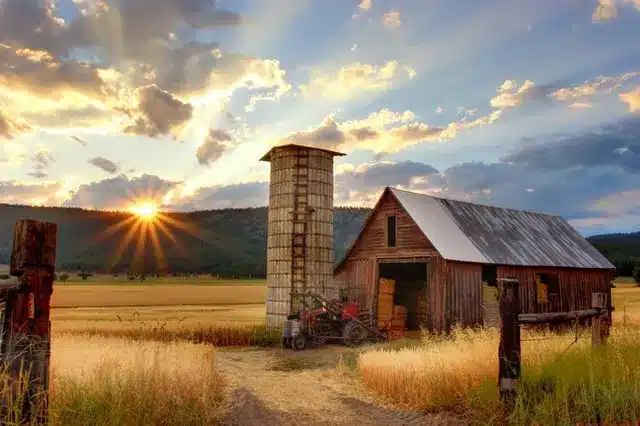
The concept of modern homesteading has gained significant attention in recent years, as more people seek ways to live sustainably, reduce their dependence on commercial systems, and reconnect with nature. But what does this lifestyle actually involve? While traditional homesteading conjures images of pioneers carving out a living on the frontier, today’s approach is more flexible and accessible, adapting old principles to fit contemporary life.
Whether you’re interested in growing your own food, producing renewable energy, or simply living more intentionally, understanding the modern homesteading meaning can help you decide if this path aligns with your values and goals. For those just starting out, resources like modern homesteading for beginners offer practical advice and inspiration.
Defining the Modern Homesteading Lifestyle
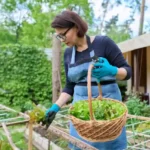
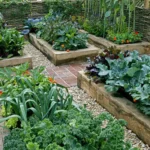
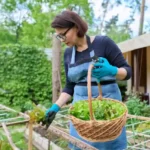
At its core, the idea revolves around self-sufficiency and sustainability, but it’s not limited to rural living or owning acres of land. Today, people in suburbs and even urban environments adopt homesteading practices, tailoring them to their unique circumstances. The key is a commitment to producing more and consuming less, often by growing food, raising animals, preserving harvests, and using renewable resources.
Unlike the original homesteaders who were motivated by necessity, modern practitioners often choose this way of life to gain independence, reduce their environmental impact, and foster a deeper connection with their surroundings. This could mean anything from keeping backyard chickens and maintaining a vegetable garden to installing solar panels or learning traditional crafts.
Key Elements of a Modern Homestead
While every homestead is unique, several core principles and activities are commonly found among those who embrace this lifestyle:
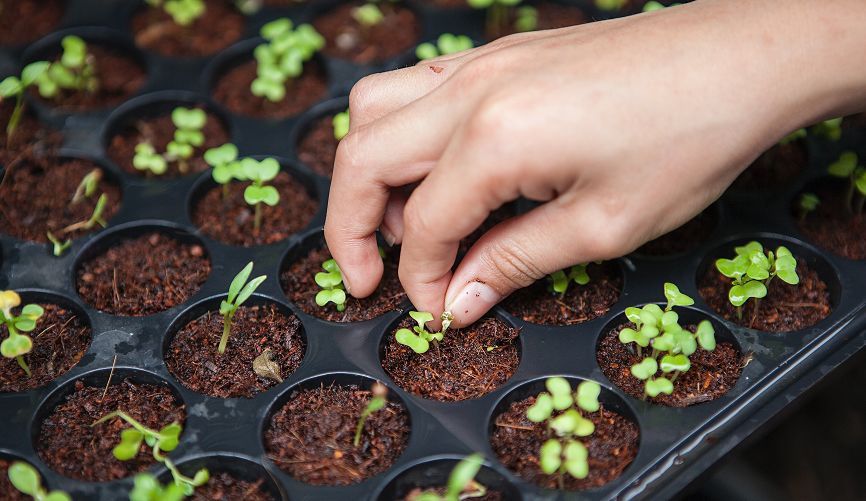
- Food Production: Growing fruits, vegetables, and herbs is central. Many also raise chickens, bees, or small livestock for eggs, honey, or meat.
- Preservation Skills: Canning, fermenting, dehydrating, and freezing help extend the harvest and reduce waste.
- Resourcefulness: Repairing, repurposing, and building are valued skills, reducing reliance on outside services.
- Energy Efficiency: Using solar panels, wood stoves, or rainwater collection systems to minimize utility dependence.
- Community Connection: Sharing knowledge, bartering, and supporting local markets are often part of the experience.
These practices are not all-or-nothing. Many people start with a single project—like a small garden or compost bin—and gradually expand their efforts as skills and confidence grow. If you’re looking for inspiration, modern homesteading ideas can help you discover new ways to incorporate these principles into your daily routine.
How Modern Homesteading Differs from the Past
The original homesteaders of the 19th and early 20th centuries were often motivated by land grants and the need to survive in remote areas. Their lives were defined by hard labor and isolation. In contrast, today’s approach is more about choice and adaptation. People select which elements fit their needs, often blending traditional skills with modern technology.
For example, many use online resources to learn new skills, connect with like-minded individuals, or sell homemade products. The availability of tools, seeds, and information makes it possible for almost anyone to participate, regardless of location or experience level. Some even pursue how to live off-grid full time as part of their journey toward greater independence.

Benefits of Embracing a Self-Sufficient Lifestyle
Choosing to live more self-reliantly offers a range of practical and personal rewards. Some of the most common benefits include:
- Healthier Living: Homegrown food is often fresher and more nutritious, while physical tasks promote fitness.
- Cost Savings: Producing your own goods can reduce grocery and utility bills over time.
- Environmental Impact: Reducing waste, conserving resources, and supporting biodiversity all contribute to a healthier planet.
- Personal Satisfaction: Learning new skills and seeing tangible results fosters a sense of accomplishment.
- Resilience: Developing practical abilities and resourcefulness can help weather economic or supply chain disruptions.
Many find that even small steps toward self-sufficiency can have a positive impact on their lives and communities. For those seeking practical advice, modern homesteading tips can help you get started or refine your approach.
Common Misconceptions About Modern Homesteading
There are several myths that can discourage people from exploring this lifestyle. One common misconception is that you need a large property or rural location. In reality, many urban dwellers grow food on balconies, keep bees on rooftops, or participate in community gardens.
Another misunderstanding is that it requires a complete lifestyle overhaul. In truth, many people integrate homesteading practices gradually, choosing what works for their situation. It’s also not about rejecting technology; instead, it’s about using tools and knowledge to become more self-reliant.
For a deeper dive into what this lifestyle looks like today, this detailed explanation of contemporary homesteading provides additional context and examples.
Getting Started: Steps Toward a Self-Sufficient Homestead
If you’re interested in adopting these practices, start by assessing your current space, skills, and interests. Here are some practical steps to begin your journey:
- Identify Priorities: Decide which aspects—such as gardening, food preservation, or energy efficiency—appeal most to you.
- Start Small: Begin with manageable projects, like growing herbs or composting kitchen scraps.
- Learn Continuously: Take advantage of books, online tutorials, and local workshops to build your knowledge.
- Connect with Others: Join local or online communities for support, advice, and resource sharing.
- Track Progress: Keep notes on successes and challenges to refine your approach over time.
For those looking for a more comprehensive overview, the self-sufficient homestead guide is an excellent resource for beginners and experienced practitioners alike.
FAQ: Modern Homesteading Questions Answered
What are the essential skills for someone new to this lifestyle?
Beginners often benefit from learning basic gardening, food preservation, simple carpentry, and animal care. Over time, skills like seed saving, soap making, and renewable energy use can be added.
Can you practice homesteading in an apartment or small city lot?
Absolutely. Many urban homesteaders grow food in containers, keep small animals where permitted, and use vertical gardening techniques. Community gardens and shared spaces also offer opportunities for those with limited land.
Is it expensive to get started?
Costs can be low if you start small and use recycled materials. Many projects, like composting or growing herbs, require minimal investment. Over time, savings on groceries and utilities can offset initial expenses.