
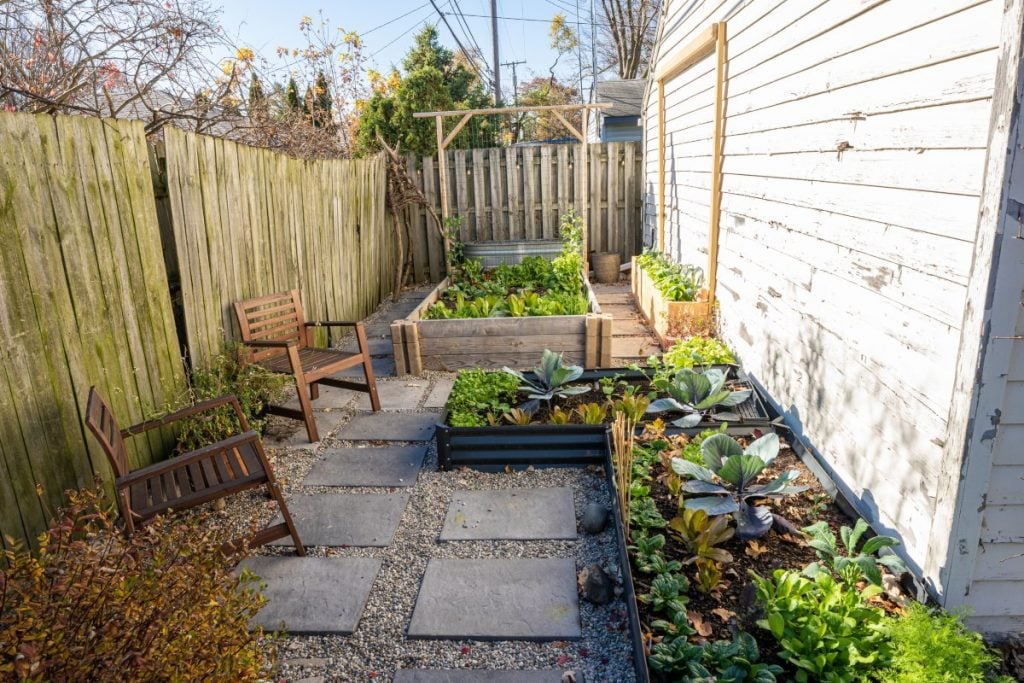
Starting a homestead can be a dream come true for many, offering a life of self-sufficiency and connection with nature. However, like any lifestyle change, it comes with its own challenges. The enthusiasm of tending to animals, growing your own food, and managing the land can sometimes lead to overwhelming feelings, known as homestead burnout. Learning how to avoid homestead burnout is essential for maintaining a sustainable and enjoyable homesteading experience.
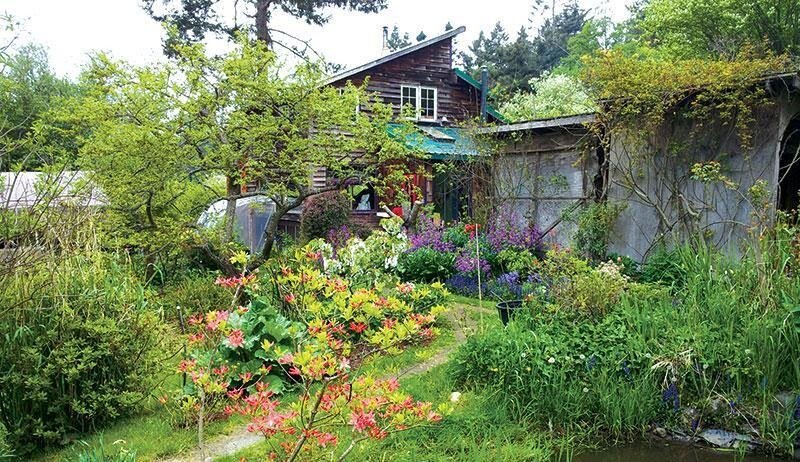
Understanding Homestead Burnout
Before diving into solutions, its important to understand what homestead burnout is. It refers to the physical and mental exhaustion that homesteaders may experience when the demands of maintaining a homestead become too much to handle. This can manifest as fatigue, stress, and a lack of motivation, making it crucial to address these issues early on.
Signs of Homestead Burnout
Physical Signs
Physical signs of burnout include chronic fatigue, headaches, and difficulty sleeping. Homesteaders often push themselves physically with hard labor, leading to exhaustion.
Mental and Emotional Signs
Mental fatigue, irritability, and feelings of hopelessness are common emotional symptoms of burnout. Homesteaders may feel overwhelmed by the never-ending tasks and responsibilities.
Strategies to Prevent Burnout
Set Realistic Goals
One of the key strategies in avoiding burnout is setting realistic goals. Its vital to know your limits and not overextend yourself. Start small and gradually expand your homestead as you gain experience.
Prioritize Self-Care
Self-care is often overlooked in the hustle of homesteading. Ensure that you take time for yourself to relax and rejuvenate. This can include activities such as reading, meditation, or simply taking a walk in nature.
Delegate Tasks
If you live with family or have a community, share the workload. Delegating tasks can significantly reduce stress and create a more manageable homesteading experience.
Maintain a Balanced Lifestyle
Balance is crucial in preventing burnout. Ensure that youre not solely focused on homesteading tasks but also have time for social activities, hobbies, and relaxation.
Educate Yourself
Learning new skills and techniques can make your homesteading efforts more efficient. Consider exploring resources such as the eco-friendly homesteading guide for tips on sustainable practices.
Importance of Community Support
Engaging with a community of fellow homesteaders can provide support and encouragement. Sharing experiences and tips can alleviate feelings of isolation and provide new perspectives.
Join Homesteading Groups
Look for local homesteading groups or online forums to connect with like-minded individuals. These communities can be invaluable for advice and camaraderie.
Utilizing Technology for Efficiency
Technology can be a helpful ally in managing a homestead. From apps that help with farm planning to online marketplaces for selling produce, technology can streamline many tasks.
Smart Planning Tools
Using planning tools can help you organize tasks and keep track of your progress. These tools can prevent overwhelm by breaking down tasks into manageable steps.
Learning from Mistakes
Mistakes are inevitable in any venture, including homesteading. Its important to view them as learning experiences rather than setbacks. Reflect on what went wrong and how you can improve in the future.
Creating a Sustainable Homestead
Creating a sustainable homestead can reduce the workload and increase efficiency. Consider implementing systems such as aquaponics or permaculture principles to enhance productivity.
Energy-Efficient Practices
Adopting energy-efficient practices can save time and resources. Simple changes can have a significant impact on the sustainability of your homestead.
Balancing Family and Homesteading
For those with families, balancing homesteading tasks with family life is crucial. Involve family members in homesteading activities to foster teamwork and shared responsibilities.
The Role of Education in Homesteading
Continuous learning is vital in homesteading. Whether its through workshops, online courses, or reading, staying informed can prevent burnout by equipping you with new skills and ideas.
FAQs
What causes homestead burnout?
Homestead burnout is often caused by the overwhelming demands of managing a homestead, including physical labor, mental stress, and sometimes unrealistic expectations.
How can I involve my family in homesteading?
Involving family in homesteading can be done by assigning age-appropriate tasks, making it a fun and educational experience for children, and encouraging teamwork.
What resources are available for new homesteaders?
There are numerous resources available, including online forums, books, and websites like The Rooted Farmhouse that offer guidance and support for new homesteaders.