The concept of modern homesteading basics is gaining traction among those seeking a more self-sufficient and sustainable lifestyle. Unlike traditional homesteading, which often conjures images of remote farms and off-grid living, today’s approach blends time-honored skills with modern conveniences. Whether you live in the countryside or a suburban neighborhood, adopting these principles can help you reduce your reliance on commercial systems, grow your own food, and make more intentional choices about your resources.
This article covers essential skills, practical steps, and helpful resources for anyone interested in starting their journey toward a more independent and resilient way of life. For inspiration on how others have embraced this lifestyle, you may want to explore some modern homesteading examples that showcase a variety of approaches and scales.
Understanding the Foundations of Self-Reliant Living
At its core, modern homesteading is about taking control of your food, energy, and daily needs. It doesn’t require acres of land or a complete lifestyle overhaul. Instead, it’s about making small, manageable changes that add up over time. Many people begin by growing a few vegetables, raising backyard chickens, or learning to preserve food at home.
If you’re interested in the philosophy and evolution of this movement, the modern homesteading vs traditional homesteading comparison is a helpful resource for understanding how these practices have adapted to contemporary life.
Key Skills Every Modern Homesteader Should Develop
Building a foundation in modern homesteading basics involves acquiring a set of practical skills that can be tailored to your environment and goals. Here are some essential areas to focus on:
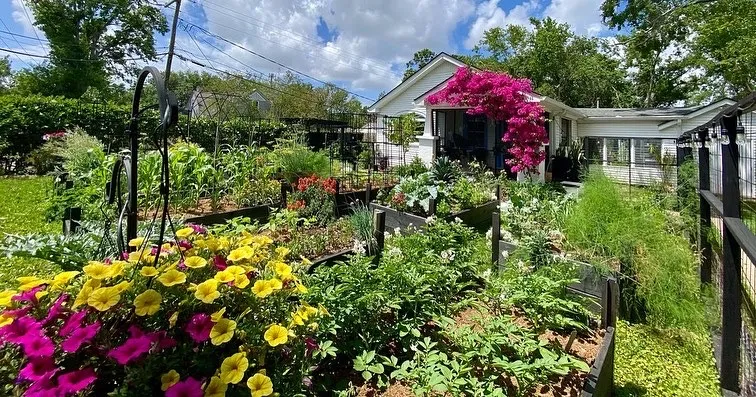
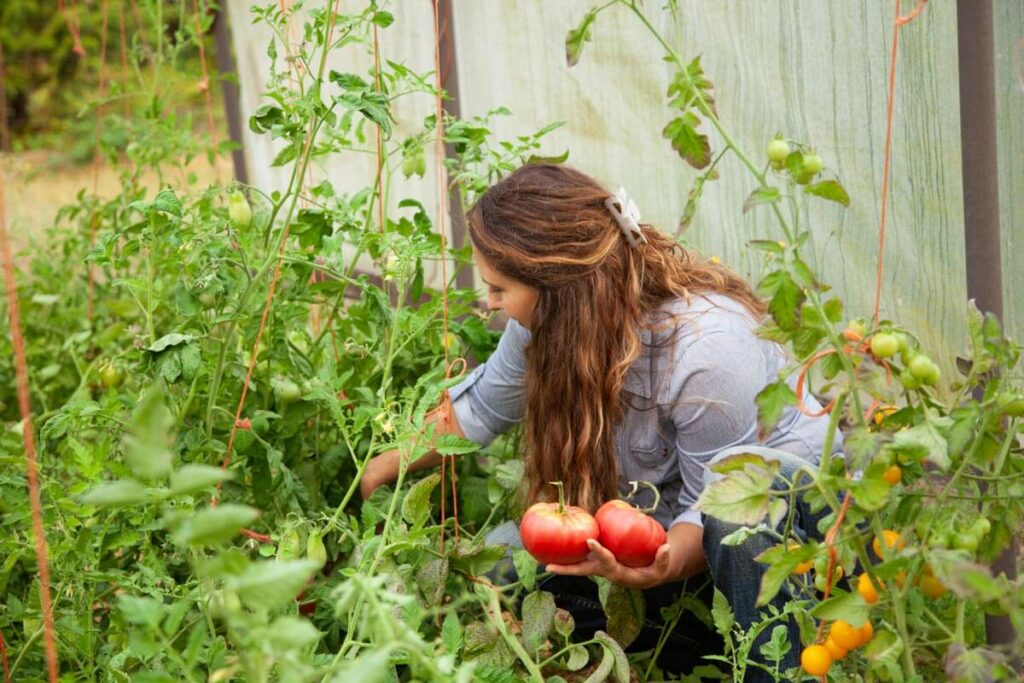
- Gardening and Food Production: Learning to grow fruits, vegetables, and herbs is central to self-sufficiency. Even a small raised bed or container garden can yield a surprising amount of produce.
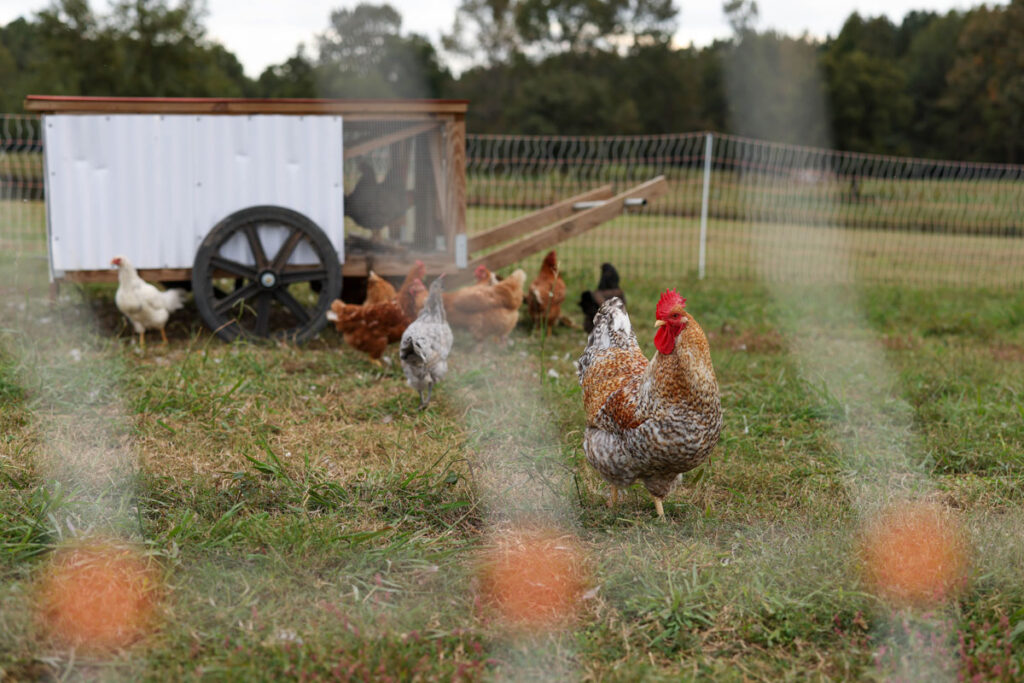
- Animal Husbandry: Keeping chickens for eggs, bees for honey, or rabbits for meat are popular choices for those with enough space. These animals can provide food, fertilizer, and other resources.
- Food Preservation: Mastering techniques like canning, fermenting, dehydrating, and freezing helps you make the most of seasonal harvests and reduce waste.
- Composting and Soil Building: Healthy soil is the backbone of any productive homestead. Composting kitchen scraps and yard waste returns nutrients to your garden and reduces landfill contributions.
- Resource Conservation: Collecting rainwater, using energy-efficient appliances, and minimizing waste are all part of a sustainable approach.
Starting Your Homestead: Practical First Steps
Embarking on this journey can feel overwhelming, but starting small is the best approach. Here are some actionable steps to help you begin:
- Assess Your Space and Resources: Whether you have a large yard or a small balcony, there are ways to incorporate homesteading principles. Evaluate sunlight, water access, and local regulations.
- Set Realistic Goals: Decide what you want to achieve in the first year. This might be growing a few vegetables, starting a compost bin, or learning to bake bread from scratch.
- Learn Continuously: Read books, watch tutorials, and connect with local gardeners or homesteaders. There’s a wealth of information available, and learning from others’ experiences can save you time and frustration.
- Track Your Progress: Keep a journal or digital record of what you plant, harvest, and learn. This helps you identify what works and plan for future seasons.
For a more comprehensive overview of how to integrate these practices into your daily routine, the modern homesteading lifestyle guide offers detailed advice and step-by-step instructions.
Essential Tools and Resources for Modern Homesteaders
Having the right tools can make your journey smoother and more enjoyable. While you don’t need to invest in everything at once, some basic equipment will help you get started:
- Hand tools for gardening (trowel, pruners, gloves)
- Compost bin or pile
- Food preservation supplies (jars, dehydrator, freezer bags)
- Rainwater collection barrels
- Reference books or online guides
Many homesteaders also join online communities or local groups to share tips, swap seeds, and offer encouragement. For further reading on the broader context and history of this movement, you can check out this comprehensive explanation of homesteading and how it has evolved in the modern era.
Benefits of Embracing a Modern Homesteading Approach
Adopting these practices offers a range of benefits beyond just saving money or eating healthier. Many people find that it leads to a greater sense of independence, improved mental well-being, and a deeper connection to the natural world. It can also foster stronger community ties, as sharing resources and knowledge becomes a natural part of the process.
If you’re curious about the specific advantages, the article on benefits of modern homesteading highlights how these changes can positively impact your daily life.
Creative Ideas to Expand Your Homesteading Skills
Once you’ve mastered the fundamentals, there are countless ways to expand your skills and deepen your self-reliance. Some ideas include:
- Building raised beds or vertical gardens for increased yield
- Exploring renewable energy options like solar panels
- Learning to make soap, candles, or natural cleaning products
- Experimenting with permaculture design principles
- Hosting workshops or skill-sharing events with neighbors
For more inspiration and practical projects, the collection of modern homesteading ideas can help you take your efforts to the next level.
Frequently Asked Questions
What is the difference between modern and traditional homesteading?
Traditional homesteading often involved living off the land in remote areas, relying on manual labor and minimal technology. In contrast, the modern approach adapts these principles to fit urban, suburban, or rural settings, making use of current tools and resources while still focusing on self-sufficiency and sustainability.
Can you practice homesteading in a city or apartment?
Absolutely. Many urban dwellers grow herbs on windowsills, compost food scraps, or participate in community gardens. The key is to start with what you have and gradually incorporate more self-reliant practices as your space and circumstances allow.
What are some easy ways to begin with modern homesteading basics?
Start by growing a few vegetables or herbs, setting up a compost bin, and learning basic food preservation techniques. These small steps can lead to greater independence and confidence as you expand your skills.