Embracing off-grid community living means more than just disconnecting from public utilities—it’s about building a lifestyle around cooperation, sustainability, and shared responsibility. Communities that choose this path often pool resources, skills, and knowledge to create a resilient environment where everyone benefits. This approach not only reduces individual burdens but also fosters a sense of belonging and collective achievement.
For those interested in practical strategies for thriving in remote locations, exploring topics like off-grid homesteading in deserts can offer valuable insights into adapting to challenging environments. By learning from others’ experiences, newcomers can avoid common pitfalls and make informed decisions about their own journey.
Why Share Resources in Off-Grid Communities?
One of the defining features of off-grid community living is the collective use of resources. Sharing tools, land, energy, and even food production systems can dramatically lower costs and reduce environmental impact. Instead of each household investing in duplicate infrastructure, communities can invest in higher-quality, shared assets that benefit everyone.
This model also encourages skill-sharing and mutual support. For example, one member might be skilled in solar panel maintenance, while another excels at gardening. By working together, the group becomes more self-sufficient and resilient to challenges such as equipment failures or unexpected weather events.
Key Shared Resources in Sustainable Communities
Pooling resources is central to the success of any off-grid settlement. Here are some of the most commonly shared assets:
- Water Systems: Wells, rainwater catchment, and filtration setups are often maintained collectively to ensure a reliable supply for all members.
- Energy Production: Solar arrays, wind turbines, and backup generators can be expensive for individuals but become feasible when costs and maintenance are shared.
- Gardens and Livestock: Community gardens and shared animal husbandry distribute the workload and provide a steady supply of fresh food.
- Tools and Equipment: From tractors to hand tools, sharing reduces redundancy and ensures everyone has access to what they need when they need it.
- Workspaces and Facilities: Communal kitchens, workshops, and gathering spaces foster collaboration and social connection.
Energy Independence Through Collective Efforts
Generating and managing power off the grid is a major challenge, but it’s one that becomes more manageable with a group approach. By investing in larger, more efficient solar or wind systems, communities can achieve greater reliability and reduce per-person costs. Maintenance and troubleshooting also become easier when multiple people share the responsibility and knowledge base.
For those seeking detailed advice on powering remote homes, resources like the comprehensive guide to off-grid energy solutions can be invaluable. These guides cover topics from system sizing to battery storage and backup options, helping groups make informed decisions.
Food Production and Self-Sufficiency in Group Settings
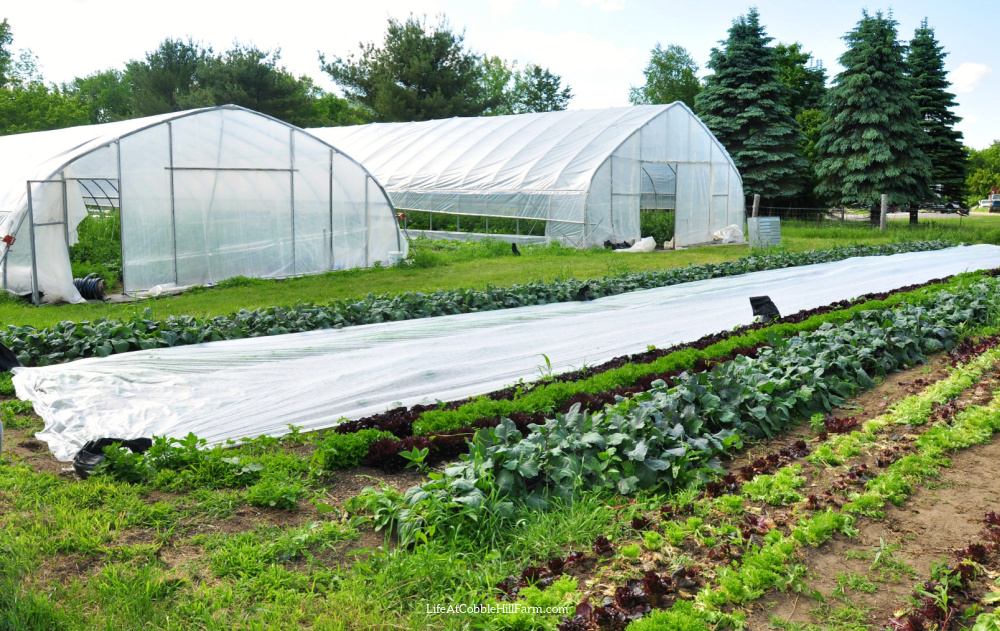
Growing food collectively is at the heart of many sustainable communities. Shared gardens, orchards, and livestock operations not only provide nourishment but also build camaraderie and teach valuable skills. Dividing tasks such as planting, harvesting, and animal care ensures that no single person is overwhelmed and that the community remains productive year-round.
Many groups also experiment with permaculture principles, crop rotation, and seed saving to maximize yields and maintain soil health. By working together, members can diversify their diets and reduce reliance on outside food sources.
Communication, Internet, and Remote Work Solutions
Staying connected is essential, even in the most remote communities. Many groups invest in shared internet solutions, satellite connections, or mesh networks to ensure reliable communication. This not only supports social ties but also enables remote work opportunities, which can be a vital source of income for residents.
For those looking to optimize connectivity, guides like off-grid internet solutions provide practical advice on equipment, setup, and troubleshooting. These resources help communities choose the best options for their location and needs.
Governance and Decision-Making in Cooperative Living
Effective management is key to the success of any group endeavor. Most off-grid communities adopt consensus-based or democratic decision-making models to ensure that all voices are heard. Regular meetings, clear guidelines, and transparent communication help prevent misunderstandings and keep everyone aligned with shared goals.
Some groups also create written agreements or bylaws covering resource use, conflict resolution, and membership requirements. These frameworks provide stability and help newcomers integrate smoothly into the community.
Common Challenges and How to Overcome Them
While the benefits of shared living are significant, challenges do arise. Disagreements over resource allocation, differing work ethics, or personality clashes can strain relationships. To address these issues, many communities prioritize open dialogue, mediation, and regular check-ins.
It’s also important to set realistic expectations. As discussed in common off-grid homesteading myths, not every day will be idyllic, and flexibility is crucial. By focusing on shared values and mutual support, groups can navigate obstacles and continue building a strong, sustainable community.
Expanding Skills and Building Resilience Together
One of the greatest strengths of collective living is the opportunity for continuous learning. Members often organize workshops, skill shares, and collaborative projects to expand their knowledge in areas like carpentry, food preservation, or renewable energy. This culture of learning not only benefits individuals but also strengthens the entire group.
For families considering this lifestyle, resources such as off-grid living with family provide helpful perspectives on balancing communal responsibilities with personal needs.
Frequently Asked Questions
What are the main benefits of resource sharing in off-grid communities?
Sharing resources reduces individual costs, minimizes environmental impact, and fosters a strong sense of community. It allows for better infrastructure, more efficient use of tools and equipment, and creates opportunities for skill-sharing and mutual support.
How do off-grid communities manage conflicts over shared resources?
Most groups use consensus-based decision-making, regular meetings, and clear communication to address conflicts. Written agreements and mediation processes also help resolve disputes and maintain harmony.
Can families with children thrive in communal off-grid settings?
Yes, many families find that communal living offers a supportive environment for raising children. Shared responsibilities and resources can ease the workload, and children benefit from a close-knit, multi-generational community.