Living independently from public utilities is a growing trend among those seeking a more resilient and eco-friendly lifestyle. One of the most rewarding aspects of this approach is sustainable animal farming off-grid. By raising livestock in harmony with nature, homesteaders can produce their own food, enrich the land, and reduce their environmental impact. This article breaks down the principles, practical steps, and essential tips for managing animals responsibly when living off the grid.
Whether you’re new to self-sufficiency or looking to refine your current setup, understanding how to balance animal welfare, land stewardship, and resource management is key. Before diving into the core strategies, it’s helpful to explore related topics like off-grid hygiene tips to ensure a healthy environment for both people and livestock.
Core Principles of Off-Grid Livestock Management
At the heart of off-grid animal husbandry is the goal of creating a closed-loop system. This means making the most of available resources, minimizing waste, and ensuring animal health without relying on external inputs. Here are the foundational principles:
- Resource Efficiency: Use local feed sources, rainwater harvesting, and natural shelters to reduce dependence on outside supplies.
- Animal Welfare: Prioritize humane treatment, access to clean water, and appropriate shelter for every species.
- Land Stewardship: Rotate pastures, compost manure, and avoid overgrazing to maintain soil fertility and biodiversity.
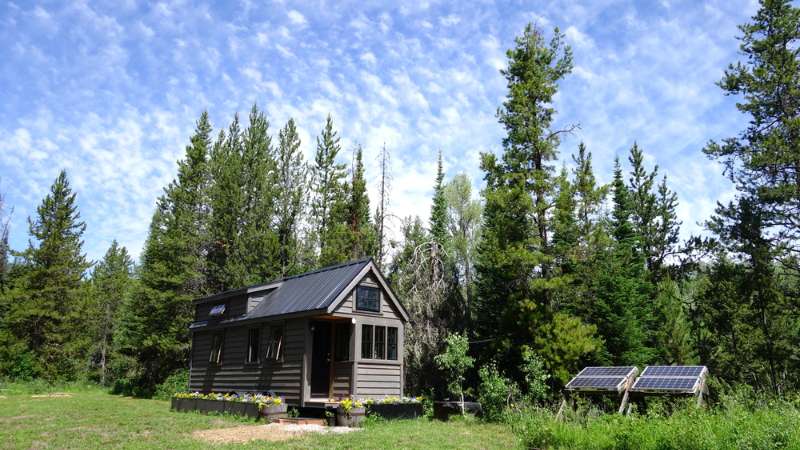
- Renewable Energy: Consider solar-powered fencing, lighting, and water pumps to keep operations running smoothly without grid power.
Choosing the Right Animals for Self-Sufficient Homesteads
Selecting livestock that thrive in your climate and fit your land size is essential for sustainable animal farming off-grid. Some animals are better suited to low-input systems and can provide multiple benefits beyond just meat, milk, or eggs.
- Chickens: Excellent foragers, provide eggs and meat, and help control pests.
- Goats: Adaptable browsers, produce milk, meat, and can clear brushy land.
- Sheep: Good for small pastures, offer wool, meat, and milk.
- Rabbits: Require little space, reproduce quickly, and provide lean meat.
- Ducks: Hardy, lay eggs even in colder months, and help with slug control.
For more details on animal care in remote settings, see the comprehensive guide on off-grid livestock care.
Designing Animal Systems for Off-Grid Sustainability
Building resilient animal systems requires careful planning. The layout of shelters, pastures, and water sources should maximize efficiency and minimize labor. Here are some practical strategies:
- Rotational Grazing: Move animals between paddocks to allow grass to recover, reduce parasite loads, and improve soil health.
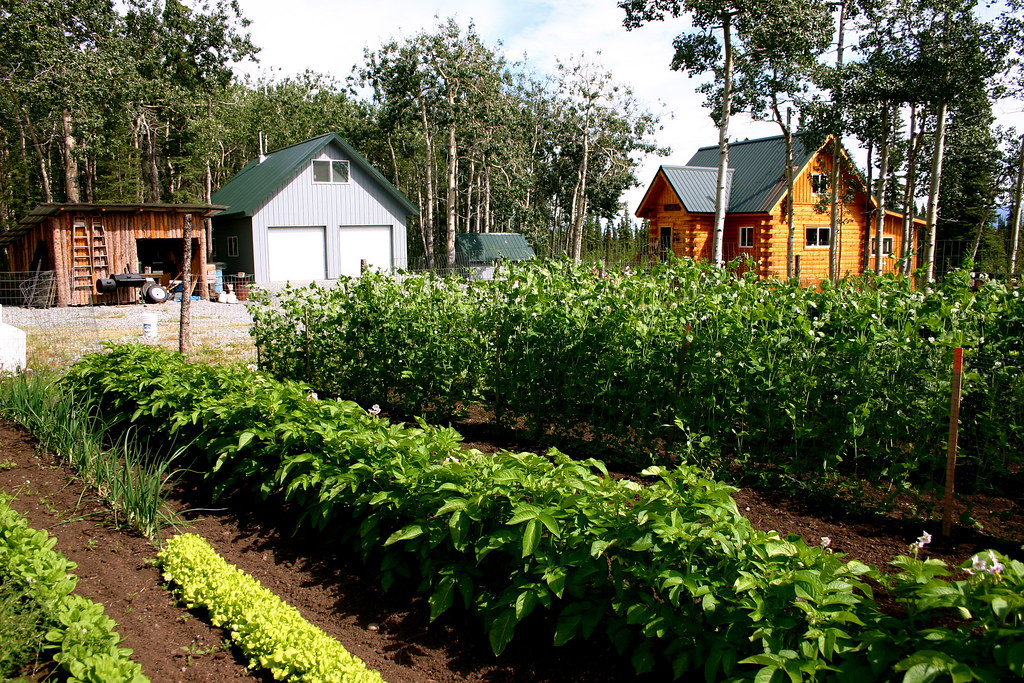
- Integrated Gardening: Use manure as fertilizer for crops and let poultry help prepare garden beds by scratching and fertilizing the soil. For inspiration, check out off-grid vegetable garden layout ideas that work well with livestock.
- Water Management: Install gravity-fed or solar-powered waterers. Collect rainwater from roofs and store it in tanks for animal use.
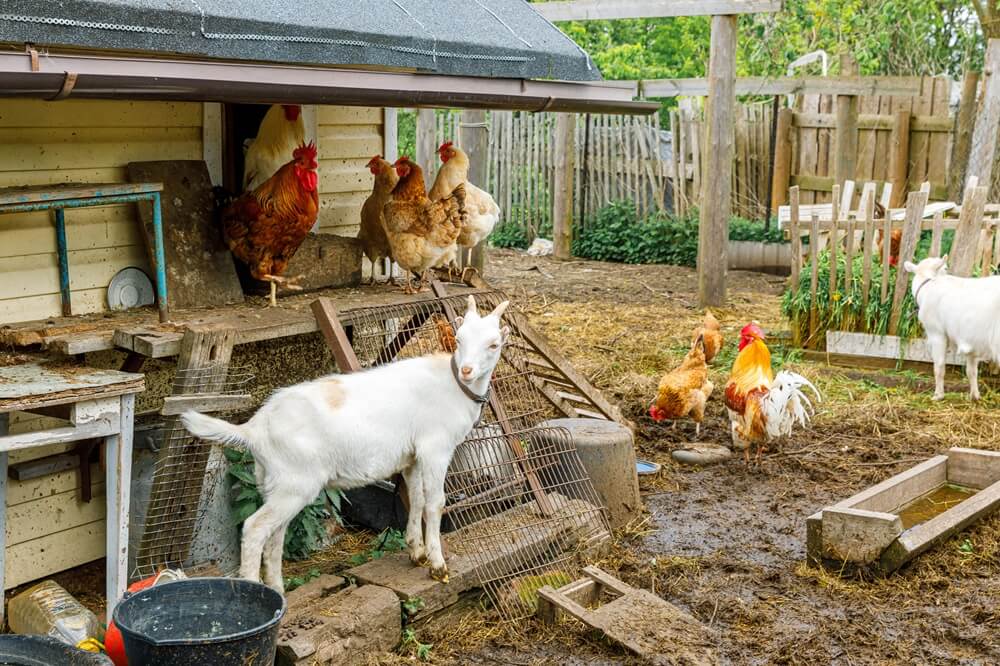
- Predator Protection: Use secure fencing, livestock guardian animals, and sturdy coops or shelters to keep animals safe.
Feeding Animals with Local and Renewable Resources
One of the biggest challenges of sustainable animal farming off-grid is providing consistent, nutritious feed without relying on commercial products. Here are some ways to meet animal dietary needs using what’s available on your land:
- Pasture and Forage: Grow a mix of grasses, legumes, and browse plants. Rotate animals to prevent overgrazing and maintain diversity.
- Garden Surplus: Feed animals excess or damaged produce from your garden. This reduces waste and supplements their diet.
- Homemade Feed: Mix grains, seeds, and kitchen scraps to create balanced rations, especially for poultry and rabbits.
- Insect Farming: Raise mealworms or black soldier fly larvae as a protein-rich supplement for chickens and fish.
For more information on growing your own animal feed and maximizing food production, see the growing food off-grid guide.
Maintaining Animal Health and Hygiene Off the Grid
Keeping livestock healthy is crucial for productivity and ethical farming. Without easy access to veterinary care or commercial medicines, prevention and observation become even more important. Here’s how to support animal well-being:
- Clean Water: Ensure animals always have access to fresh, uncontaminated water. Regularly clean troughs and waterers.
- Natural Remedies: Use herbal treatments and natural supplements to boost immunity and address minor health issues.
- Routine Checks: Observe animals daily for signs of illness, injury, or stress. Isolate sick animals promptly to prevent disease spread.
- Sanitation: Keep shelters dry and well-ventilated. Compost manure away from living areas to control odors and pests.
For more practical advice, the off-grid gardening tips article also covers ways to integrate animal and plant care for a healthier homestead.
Tools and Resources for Successful Off-Grid Animal Farming
Modern technology and traditional skills both play a role in making animal husbandry more manageable without grid power. Here are some useful tools and resources:
- Solar-Powered Equipment: Use solar chargers for electric fences, automatic coop doors, and water pumps.
- Manual Tools: Keep hand tools for cleaning, feeding, and minor repairs to reduce reliance on electricity or fuel.
- Knowledge Sharing: Connect with local farmers, join online forums, and read guides like the off-grid living essentials guide for practical tips and troubleshooting.
Frequently Asked Questions
What are the best animals to raise for beginners living off the grid?
Chickens and rabbits are ideal for beginners due to their low space requirements, simple care routines, and fast production cycles. Goats and ducks are also manageable and provide milk, eggs, and meat with minimal infrastructure.
How do you provide water for livestock without access to the grid?
Collecting rainwater in tanks or barrels is a reliable method. Gravity-fed systems or solar-powered pumps can distribute water to troughs. Regular maintenance ensures water remains clean and accessible.
How can you keep animals safe from predators in remote areas?
Secure fencing, sturdy shelters, and using livestock guardian animals like dogs are effective strategies. Automatic coop doors and motion-activated lights powered by solar energy add extra protection, especially at night.
Is it possible to grow all animal feed on-site?
While it’s challenging to produce 100% of animal feed, especially for larger livestock, a combination of pasture, garden surplus, and homegrown grains can cover most needs for poultry, rabbits, and goats. Supplementing with wild forage and insects helps close the gap.
Conclusion
Practicing sustainable animal farming off-grid is both achievable and rewarding. By focusing on resourcefulness, animal welfare, and ecological balance, homesteaders can create a thriving, resilient food system. With careful planning and a willingness to adapt, anyone can enjoy the benefits of raising livestock while living independently from public utilities.