Getting the most from limited outdoor space often comes down to managing one key resource: sunlight. Whether you’re working with a tiny backyard, a balcony, or a compact urban plot, maximizing the light your plants receive can make a dramatic difference in growth and yields. This article offers practical strategies for increasing sun exposure, choosing the right plants, and making the most of every ray in your compact garden.
Along the way, you’ll find tips on garden layout, clever use of containers, and how to adapt when natural light is scarce. If you’re interested in broader homesteading skills, you might also enjoy the modern homesteading herbal garden ideas guide for more inspiration.
Understanding Sun Patterns in Compact Spaces
Before making any changes, it’s essential to observe how the sun moves across your space. In smaller gardens, buildings, fences, and trees can cast significant shadows, reducing the hours of direct light. Track the sunlight throughout the day and across seasons. This will help you identify the sunniest spots and times, which is crucial for maximizing sunlight in limited areas.
- Morning sun is usually gentler and ideal for leafy greens.
- Afternoon sun is stronger and better for fruiting plants like tomatoes and peppers.
- Note any areas that receive at least 6 hours of direct light—these are prime real estate for sun-loving crops.
Designing Your Garden for Maximum Light
Once you know your sunniest spots, arrange your garden to make the most of them. Here are some layout tips to help you improve sunlight exposure in tight quarters:
- Place taller plants or structures on the north side (in the Northern Hemisphere) so they don’t shade shorter crops.
- Use vertical gardening techniques—trellises, wall planters, and shelving can lift plants into better-lit zones.
- Opt for raised beds or containers that can be moved as needed to chase the sun.
- Consider reflective surfaces (like light-colored walls or garden mirrors) to bounce extra light onto your plants.
Choosing the Right Plants for Limited Sun
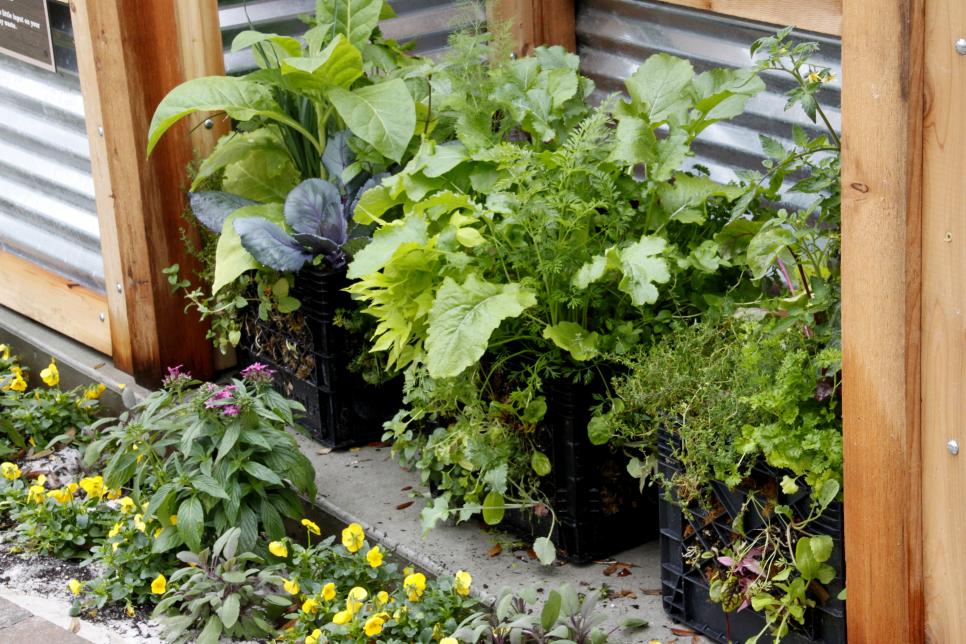
Not all crops need full sun. In fact, many edible and ornamental plants thrive in partial shade. When working with less-than-ideal light, select varieties that are naturally adapted to lower light conditions. This is a key strategy for optimizing sunlight in small gardens where direct exposure is limited.
- Leafy greens like lettuce, spinach, and kale do well with 3–4 hours of sun.
- Herbs such as mint, parsley, and chives tolerate dappled light.
- Root vegetables like carrots and beets can grow with moderate sunlight.
- For fruiting crops, look for compact or patio varieties bred for container gardening.
For more ideas on what to grow, check out resources like the beginner’s guide to starting a homestead, which includes tips on plant selection and garden planning.
Container Gardening and Portable Solutions
Containers are a game-changer for small spaces. They allow you to move plants to follow the sun as it shifts throughout the season. Here’s how to use containers to your advantage:
- Choose lightweight pots or fabric grow bags for easy relocation.
- Group containers together in the sunniest area, and rotate them regularly to ensure even growth.
- Use tiered plant stands or shelves to layer plants vertically, giving each one a better shot at direct light.
- Remember to water more frequently, as containers dry out faster than in-ground beds.
Supplementing Natural Light in Shaded Gardens
Sometimes, even with the best planning, your space just doesn’t get enough sun. In these cases, supplementing with artificial light can help. LED grow lights are energy-efficient and designed to provide the spectrum plants need for healthy growth. Position them above your plants and set timers to mimic natural daylight cycles. This approach is especially useful for indoor or balcony gardens where sunlight is blocked by nearby buildings.
Maintenance Tips for Sunlight Optimization
Keeping your garden tidy and well-maintained can also help boost light levels. Here are a few simple practices:
- Prune overhanging branches or remove unnecessary structures that cast shade.
- Clean garden surfaces (like glass or reflective materials) to maximize light reflection.
- Rotate crops seasonally to ensure all plants get their turn in the sunniest spots.
- Monitor plant health—leggy or pale plants may need more light or a new location.
Common Challenges and How to Overcome Them
Small gardens often face unique obstacles when it comes to sunlight. Here’s how to address some of the most common issues:
- Persistent shade: Focus on shade-tolerant plants and use reflective materials to direct more light onto your beds.
- Obstructions from neighboring buildings: Use vertical gardening to lift plants above shadow lines.
- Limited ground space: Maximize vertical and container gardening options, and consider stacking planters or using hanging baskets.
- Changing sun angles through the year: Be prepared to move containers or adjust layouts seasonally.
Frequently Asked Questions
What are the best vegetables to grow in limited sunlight?
Leafy greens such as lettuce, spinach, and Swiss chard are excellent choices for gardens with less sun. Root crops like radishes and beets, as well as herbs like mint and parsley, also perform well with partial sunlight.
How can I tell if my garden is getting enough sun?
Track the hours of direct sunlight each area receives during the day. Most fruiting vegetables need at least 6 hours, while many greens and herbs can thrive with 3–4 hours. Watch for signs like leggy growth or pale leaves, which may indicate insufficient light.
Can I use artificial lights outdoors to supplement sunlight?
Yes, LED grow lights can be used outdoors if they are rated for exterior use and protected from the elements. They are especially helpful for balconies or patios shaded by buildings or trees.
Conclusion
Making the most of available sunlight in a small garden is all about observation, smart design, and adaptability. By understanding your sun patterns, choosing the right plants, and using containers and vertical spaces, you can create a thriving garden even in the tightest spots. For more tips on sustainable living and garden planning, explore guides like the modern homesteading fencing guide to complement your gardening journey.