Growing your own vegetables is a rewarding way to enjoy fresh, healthy produce and connect with nature. If you’re new to gardening, the process can seem overwhelming at first. However, with the right steps and a bit of planning, anyone can create a thriving garden—even with limited space or experience. This guide will walk you through how to start a vegetable garden for beginners, covering everything from choosing a location to harvesting your first crop.
For those interested in sustainable living, you may also want to explore modern homesteading eco friendly living guide for additional tips on eco-conscious gardening and lifestyle choices.
Choosing the Best Spot for Your Home Garden
Location is crucial for a successful vegetable patch. Most vegetables need at least six to eight hours of direct sunlight each day. Observe your yard or balcony to determine which areas receive the most sun. Avoid spots shaded by trees or buildings for most of the day. Good drainage is also important—avoid low-lying areas where water tends to collect after rain.
Consider proximity to a water source, as regular watering is essential, especially during dry spells. If you have limited space, raised beds or containers can be excellent options for beginners, making it easier to control soil quality and drainage.
Planning Your Layout: Getting Started with a Beginner Garden
Before planting, sketch a simple plan of your garden. Decide how large you want your first plot to be—many new gardeners start with a 4×8 foot bed or a few containers. It’s better to start small and expand as you gain experience. Group plants with similar sunlight and water needs together for easier care.
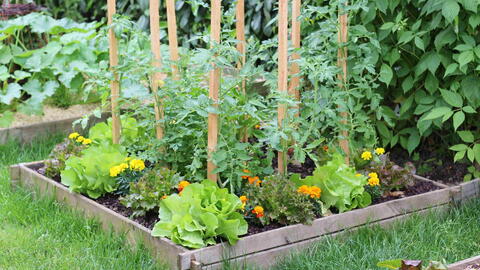
When planning your layout, leave space between rows or containers for easy access and maintenance. This will help prevent soil compaction and make weeding and harvesting simpler. Raised beds are especially popular for first-time gardeners because they offer excellent drainage and can be filled with high-quality soil from the start.
Picking the Right Vegetables for Beginners
Some vegetables are easier to grow than others, making them ideal for those just starting out. Consider planting:
- Lettuce and leafy greens: Fast-growing and tolerant of cooler temperatures.
- Radishes: Quick to mature and require little space.
- Carrots: Grow well in loose, sandy soil.
- Tomatoes: Productive and rewarding, especially in containers or raised beds.
- Green beans: Easy to grow from seed and thrive in most gardens.
- Zucchini: Very productive and forgiving for beginners.
Choose varieties suited to your climate and growing season. Local garden centers often carry seeds and seedlings that perform well in your region. For more detailed advice on starting your first plot, check out this step-by-step vegetable garden guide from an experienced homesteader.
Soil Preparation and Planting Basics
Healthy soil is the foundation of a productive garden. Begin by removing weeds, rocks, and debris from your chosen area. Loosen the soil to a depth of at least 8–12 inches using a shovel or garden fork. Mix in compost or well-rotted manure to enrich the soil with nutrients and improve texture.
If you’re using raised beds or containers, fill them with a blend of topsoil, compost, and organic matter. A soil moisture meter can help you monitor water levels and prevent over- or under-watering—an important tool for new gardeners.
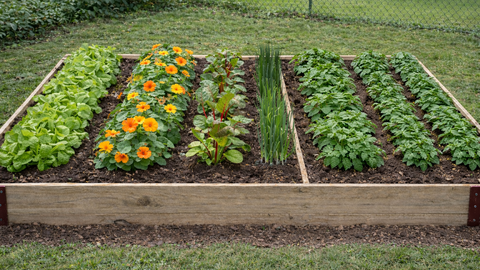
Follow seed packet or plant tag instructions for planting depth and spacing. Water gently after planting to settle the soil around seeds or roots. Mulch with straw, leaves, or grass clippings to retain moisture and suppress weeds.
Watering, Feeding, and Caring for Your Plants
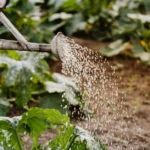
Consistent care is key to a thriving vegetable patch. Most vegetables need about one inch of water per week, either from rainfall or supplemental watering. Early morning is the best time to water, as it allows leaves to dry before evening and reduces the risk of disease.
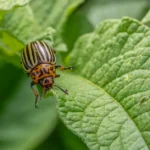
Fertilize your plants with a balanced, organic fertilizer according to package directions. Watch for signs of pests or disease, and address problems early. Hand-picking pests, using row covers, or applying organic solutions can help protect your crops without harsh chemicals.
Harvesting and Enjoying Your Homegrown Produce
One of the joys of gardening is harvesting vegetables at their peak of freshness. Pick leafy greens and herbs regularly to encourage new growth. Root crops like carrots and radishes can be gently pulled from the soil when they reach the desired size. Tomatoes, beans, and zucchini should be harvested as soon as they are ripe to promote continued production.
Keep a simple garden journal to track planting dates, varieties, and harvests. This will help you learn what works best in your space and plan for future seasons.
Tips for Success: Avoiding Common Beginner Mistakes
- Start small: Focus on a manageable area and a few easy crops.
- Don’t overcrowd: Give plants enough space to grow and access sunlight.
- Label your plants: Use markers to remember what you planted and where.
- Be patient: Growth takes time—don’t be discouraged by slow progress.
- Learn from each season: Take notes and adjust your approach as you gain experience.
For those interested in broader sustainable practices, you might also explore modern homesteading natural building techniques to complement your gardening journey.
Frequently Asked Questions
What is the easiest vegetable to grow for a first-time gardener?
Lettuce, radishes, and green beans are among the simplest vegetables for beginners. They germinate quickly, require minimal care, and are forgiving of minor mistakes. These crops are ideal for those learning how to start a vegetable garden for beginners.
How much space do I need to start a vegetable garden?
You can begin with as little as a few containers on a balcony or a small raised bed in your yard. A 4×8 foot bed is a popular starting size, but even smaller plots can yield a surprising amount of produce if planted efficiently.
How do I know when my vegetables are ready to harvest?
Harvest times vary by crop. Leafy greens can be picked when leaves are large enough to eat, while root vegetables are ready when they reach the desired size. Tomatoes and beans should be harvested when fully colored and firm. Always refer to seed packets or plant tags for specific guidance.
Starting a vegetable patch is a practical and enjoyable way to eat healthier and become more self-sufficient. With a bit of planning and regular care, you’ll soon enjoy the taste of homegrown produce and the satisfaction of nurturing your own food from seed to table.