As the golden years approach, many individuals begin to ponder over their retirement plans. A growing trend among retirees and soon-to-be retirees is considering homesteading as a retirement plan. This lifestyle offers the opportunity to live sustainably, reduce expenses, and find fulfillment in everyday activities. But is it the right choice for you? In this article, we will explore the various aspects of adopting homesteading as a retirement plan, including its benefits, challenges, and how to get started.
Homesteading has long been associated with self-sufficiency and sustainable living. As retirees look for ways to maintain a fulfilling lifestyle while managing their finances, the idea of homesteading as a retirement plan becomes increasingly appealing. In the following sections, we will delve into the practicalities of this lifestyle choice and how it can be an ideal plan for retirement.
What is Homesteading?
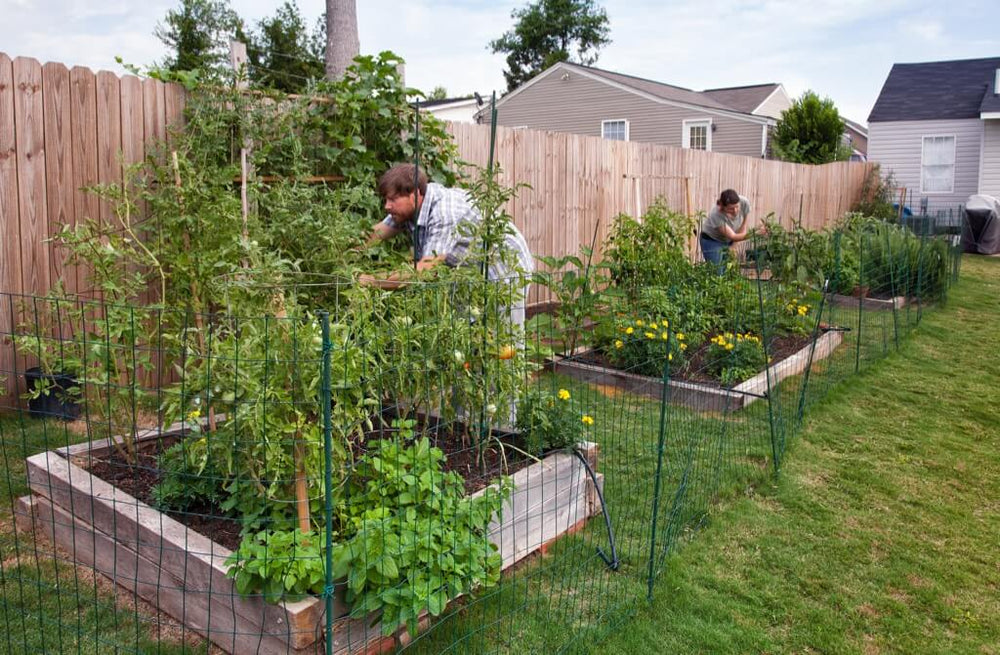
Homesteading refers to a lifestyle of self-sufficiency, where individuals grow their own food, raise animals, and engage in various sustainable practices. This way of living emphasizes a return to simpler times, where reliance on modern conveniences is minimized. For retirees, adopting a homesteading lifestyle can mean not only a reduction in living expenses but also a chance to connect with nature and indulge in meaningful activities.
Benefits of Homesteading for Retirees
There are numerous benefits to choosing homesteading as a retirement plan. Primarily, it offers financial relief by cutting down on living costs. Growing your own produce and raising livestock can significantly reduce grocery bills. Additionally, homesteading provides a sense of purpose and fulfillment as retirees engage in productive and rewarding activities.
The physical demands of homesteading also contribute to better health and well-being, offering exercise and promoting a more active lifestyle. Furthermore, the opportunity to engage with nature daily has been shown to improve mental health and reduce stress levels. For further insights on the physical health benefits of homesteading, consider exploring this resource.
Challenges of Homesteading in Retirement
While the advantages of homesteading as a retirement plan are numerous, it’s essential to understand the challenges involved. Physical labor can be demanding, and it’s crucial to assess your ability to handle tasks like gardening, animal care, and home maintenance. Additionally, there may be a learning curve for those unfamiliar with homesteading practices.
Choosing the Right Location
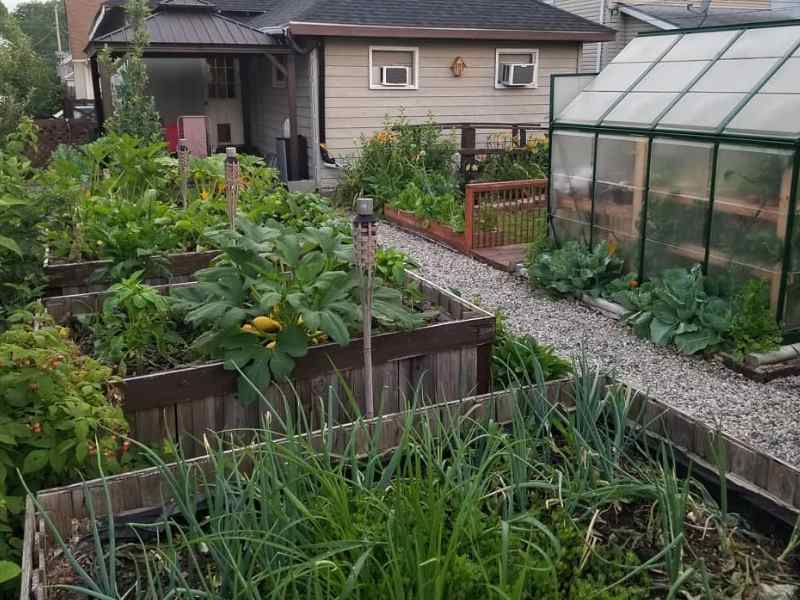
Location selection is a critical aspect of successful homesteading. Retirees should consider factors such as climate, soil quality, and access to resources. Proximity to family and healthcare facilities is also important. For those interested in urban homesteading, this guide offers valuable insights.
Getting Started with Homesteading
Starting a homestead requires planning and preparation. Begin by setting clear goals and creating a detailed plan. Consider what type of crops and animals you want to raise and assess your property for suitability. For more detailed guidance on starting a homestead, you might find this resource helpful.
Financial Considerations
While homesteading can reduce costs, initial investments are necessary. Expenses may include land purchase, equipment, seeds, and livestock. It’s important to budget accordingly and possibly seek financial advice.
Homesteading Skills and Knowledge
Successful homesteading requires a variety of skills, from gardening and animal husbandry to carpentry and food preservation. Consider taking workshops or online courses to build your knowledge. For those interested in teaching the next generation, teaching kids homestead skills can be a rewarding endeavor.
Community and Support
Connecting with other homesteaders can provide support and encouragement. Joining local groups or online forums can be beneficial for sharing experiences and advice.
Maintaining a Balanced Lifestyle
It’s important to balance homesteading activities with leisure and relaxation. Ensure you set aside time for hobbies, socializing, and other interests.
Environmental Impact
Homesteading can have a positive environmental impact by reducing carbon footprints and promoting biodiversity. Implementing sustainable practices such as composting, rainwater harvesting, and permaculture can further enhance this impact.
Adapting to Change
Flexibility and adaptability are key to successful homesteading as a retirement plan. Be prepared to adjust plans in response to weather changes, crop failures, or health challenges.
Embracing Technology
While homesteading emphasizes traditional practices, modern technology can be beneficial. Consider using apps and online resources for planning, weather forecasting, and staying connected with the homesteading community.
Long-term Sustainability
Planning for long-term sustainability involves maintaining soil health, crop rotation, and preserving resources. It’s important to think ahead and ensure that your homestead can support you for years to come.
Conclusion
Considering homesteading as a retirement plan is a rewarding choice for those seeking a fulfilling, sustainable lifestyle. While it presents challenges, the benefits of financial savings, improved health, and environmental impact make it a worthwhile endeavor. By carefully planning and embracing the homesteading lifestyle, retirees can enjoy their golden years in harmony with nature.
Frequently Asked Questions
Is homesteading suitable for everyone?
While homesteading offers many benefits, it may not be suitable for everyone. Consider your physical capabilities, interests, and willingness to learn new skills before committing to this lifestyle.
How much land is needed for homesteading?
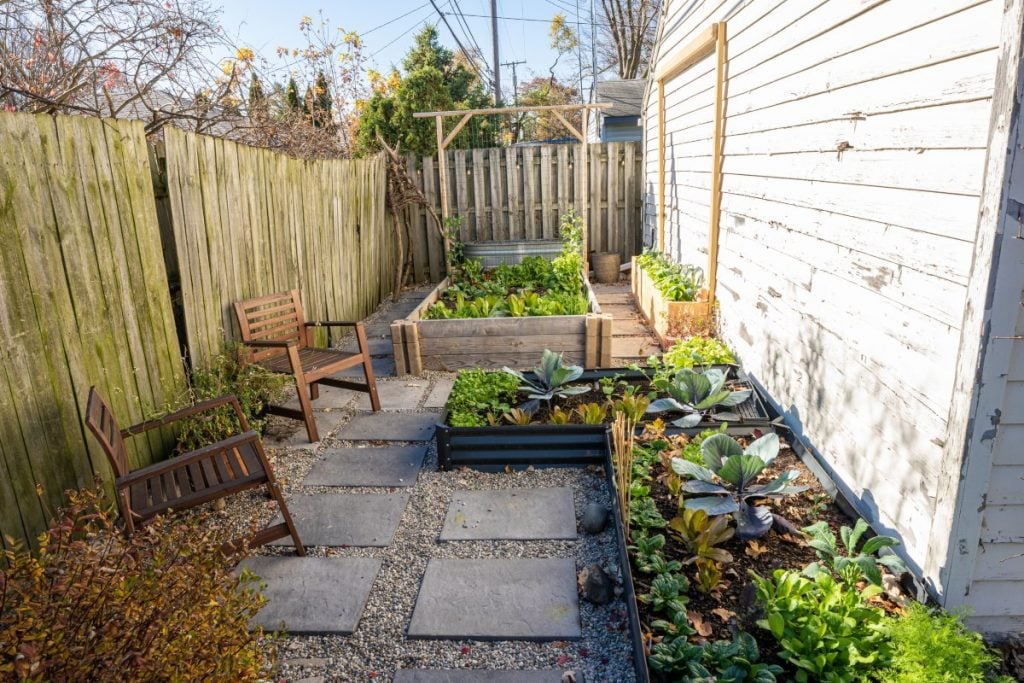
The amount of land needed depends on your goals and the scale of your homestead. Small urban homesteads can thrive on limited space, while larger rural properties offer more opportunities for expansion.
Can urban areas support homesteading?
Yes, urban homesteading is possible and increasingly popular. With creative use of space and resources, urban dwellers can enjoy the benefits of homesteading without needing extensive land. Explore this aquaponics guide for urban homesteads for innovative ideas.