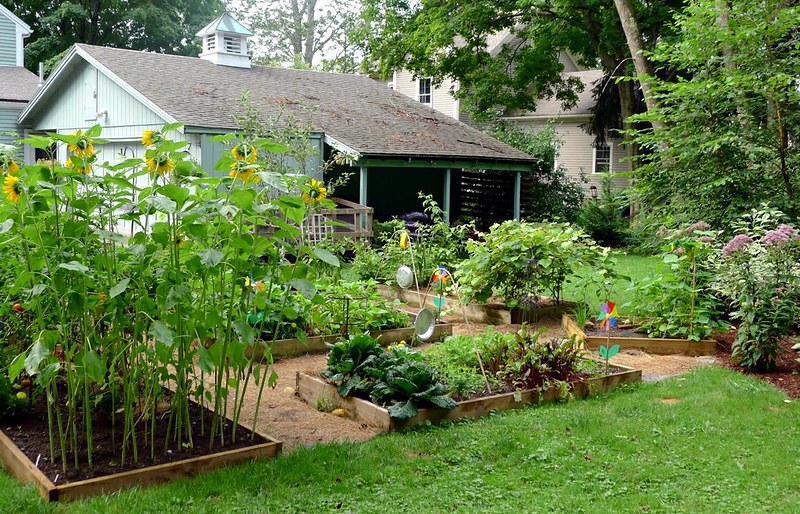
In recent years, permaculture design for backyards has gained immense popularity among homestead dreamers and sustainability enthusiasts. This innovative approach to landscaping not only transforms your outdoor space into a thriving ecosystem but also supports sustainable living practices. This comprehensive guide will explore the core principles of permaculture design and how you can apply them to your backyard.

What is Permaculture Design?
Permaculture is a term that combines ‘permanent’ and ‘agriculture.’ It’s a design philosophy that emphasizes creating sustainable and self-sufficient ecosystems. The goal is to mimic natural processes and cycles, reducing human impact on the environment while increasing resource efficiency.
Principles of Permaculture
- Observe and interact: Spend time understanding your backyard’s natural patterns and ecosystems.
- Catch and store energy: Utilize renewable resources like solar energy and rainwater.
- Obtain a yield: Ensure your garden produces food and other resources.
- Apply self-regulation and accept feedback: Adapt and improve your design based on observations.
Why Choose Permaculture for Your Backyard?
Adopting permaculture design for backyards offers numerous benefits. It promotes biodiversity, enhances soil health, and reduces water usage. Moreover, it creates a resilient ecosystem that can withstand environmental challenges. Homeowners can enjoy fresh produce, reduced utility costs, and a deeper connection with nature.
Steps to Implement Permaculture Design
1. Assess Your Site
Begin by evaluating your backyard’s natural features. Consider factors such as sunlight, soil quality, and drainage. This assessment will help you make informed decisions about plant selection and layout.
2. Create a Design Plan
Sketch a design plan that incorporates various permaculture elements. Include swales for water management, polycultures for biodiversity, and zones for different activities.
3. Start Small
It’s crucial to start small, focusing on one area at a time. This approach allows you to manage resources effectively and make necessary adjustments.
Incorporating Edible Landscapes
One of the exciting aspects of permaculture design is integrating edible landscapes into your backyard. Consider planting fruit trees, berry bushes, and perennial vegetables. These additions not only provide food but also enhance the overall aesthetics of your space.
Companion Planting
Companion planting is a vital component of permaculture. By pairing compatible plants, you can enhance growth, deter pests, and improve soil fertility. For instance, planting marigolds near tomatoes can deter insects and promote healthy growth.
Water Management in Permaculture
Effective water management is essential in permaculture design for backyards. Implement strategies like rainwater harvesting and greywater recycling. Additionally, design swales and contour beds to direct water flow and prevent erosion.
Rainwater Harvesting
Installing rain barrels is a simple yet effective way to collect rainwater. This water can be used for irrigation, reducing your reliance on municipal water supplies.
Soil Health and Fertility
Healthy soil is the foundation of a successful permaculture garden. Implement practices such as composting, mulching, and crop rotation to enhance soil fertility. These techniques improve soil structure, increase microbial activity, and boost nutrient availability.
Composting
Composting is an excellent way to recycle kitchen scraps and yard waste. It enriches the soil, reduces landfill waste, and lowers greenhouse gas emissions. Learn more about frugal living tips to make the most of your resources.
Integrating Wildlife Habitats
Creating wildlife habitats is an integral part of permaculture design for backyards. By providing food, water, and shelter, you can attract beneficial insects, birds, and pollinators. These creatures play a crucial role in maintaining ecological balance.
Pollinator Gardens
Design a pollinator garden with native plants that provide nectar and pollen. This initiative supports bees, butterflies, and other pollinators, contributing to a healthy ecosystem.
Building Community Connections
Permaculture goes beyond individual efforts; it fosters community connections. Engage with local gardening groups, attend workshops, and share your experiences with others. These interactions can enrich your knowledge and inspire others to adopt sustainable practices.
Teaching and Learning
Consider hosting teaching sessions for children and adults alike. Educating others about permaculture principles can spark interest and motivate more people to embrace sustainable living.
Challenges and Solutions in Permaculture
While permaculture design offers numerous benefits, it also presents challenges. Issues such as limited space, pests, and climate variations can arise. However, with careful planning and adaptive strategies, these challenges can be overcome.
Adapting to Climate Change
Climate change impacts agriculture and gardening practices. By selecting climate-resilient plants and employing water-saving techniques, you can mitigate these effects and ensure a thriving garden.
FAQ
What is the main goal of permaculture design?
The main goal of permaculture design is to create sustainable and self-sufficient ecosystems that mimic natural processes.
How can I start implementing permaculture in my backyard?
Begin by assessing your backyard’s natural features, creating a design plan, and starting small to manage resources effectively.
What are the benefits of rainwater harvesting?
Rainwater harvesting reduces reliance on municipal water supplies, lowers utility costs, and supports sustainable water management practices.
For more insights on sustainable living, explore homestead resources.