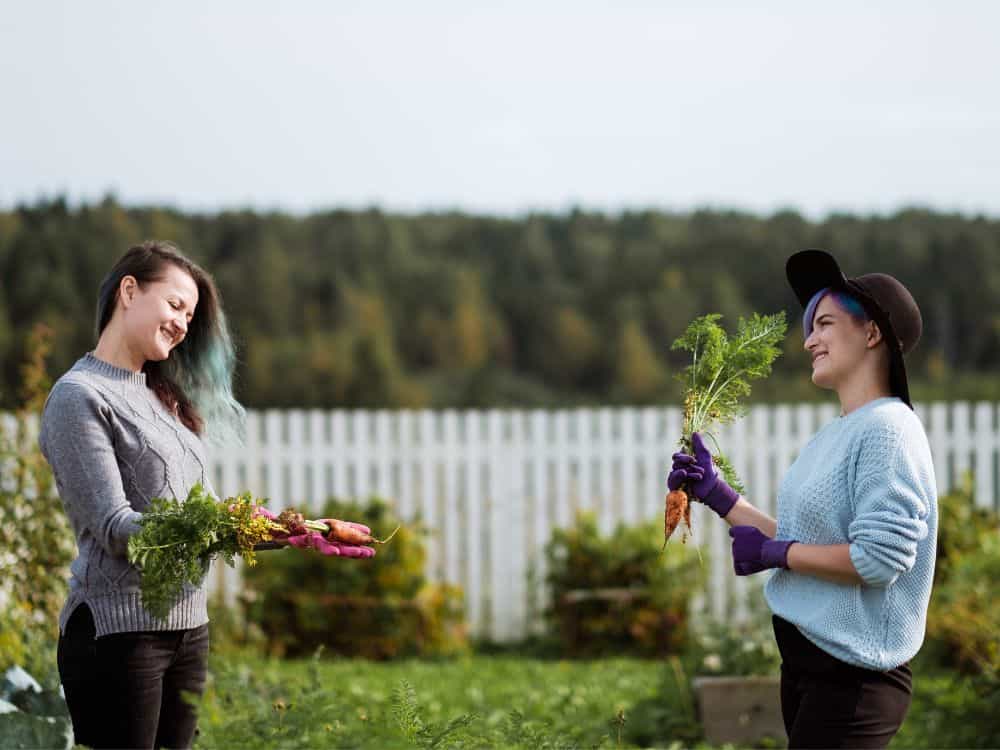
In today’s fast-paced world, many families are seeking a return to simpler, more sustainable ways of living. Raising children on a homestead lifestyle offers a unique opportunity to instill values of self-sufficiency, resilience, and environmental stewardship. This journey not only shapes the character of children but also strengthens family bonds as everyone works together towards common goals.
The decision to embark on a homestead lifestyle can be transformative. It involves moving away from the conveniences of urban living and embracing a life that requires ingenuity and cooperation. As families dive into this adventure, they find that raising children on a homestead lifestyle cultivates essential life skills and a deep appreciation for nature.

The Importance of a Homestead Lifestyle
Living on a homestead means more than just growing your food or raising animals. Its a lifestyle that teaches children the value of hard work and the importance of self-reliance. They learn how to problem-solve, manage resources, and appreciate the fruits of their labor.
Building Character and Resilience
Children on a homestead learn early on about responsibility. Whether its feeding chickens or harvesting vegetables, they understand the importance of each task. This daily routine builds character and resilience, qualities that are essential for their future.
Environmental Awareness
Homesteading fosters a deep connection with nature. Children learn about ecosystems, the importance of biodiversity, and sustainable practices. This awareness encourages them to respect the environment and make conscious choices to protect it.
Educational Benefits of Homesteading
Beyond practical skills, homesteading offers numerous educational benefits. It provides a hands-on learning environment where children can apply concepts from science, math, and even history in real-life situations.
Science and Nature
Children engage in scientific inquiry as they observe plant growth, animal behavior, and weather patterns. This direct interaction with nature enhances their understanding of scientific concepts.
Mathematical Skills
From calculating seed requirements to managing finances, homesteading requires math skills. Children learn to measure, budget, and plan, which strengthens their mathematical aptitude.
Strengthening Family Bonds
Working together on a homestead strengthens family relationships. Shared goals and collaborative projects foster communication and teamwork, creating lasting memories and a strong sense of unity.
Shared Responsibilities
Homesteading involves shared responsibilities where each family member plays a crucial role. This collective effort not only eases the workload but also reinforces the idea of working together towards a common purpose.
Creating Memories
From planting seeds to building structures, the activities on a homestead create cherished memories. These experiences bond families and provide stories that are passed down through generations.
Challenges and Solutions
While rewarding, homesteading does come with its challenges. Families must adapt to a lifestyle that requires physical labor and resourcefulness. However, these challenges can be overcome with careful planning and a positive mindset.
Time Management
Time management is crucial on a homestead. Establishing routines and prioritizing tasks help families manage their time effectively. Resources like homestead skills offer valuable insights into efficient task management.
Financial Considerations
Starting a homestead can be financially demanding. However, there are ways to homestead on a budget by utilizing resources wisely and focusing on essential investments.
Preparing for a Homestead Lifestyle
Preparation is key to successfully transitioning to a homestead lifestyle. Families should educate themselves about homesteading practices and plan thoroughly for this change.
Research and Education
Gathering information is essential. Resources such as beginner’s guides provide a wealth of knowledge for aspiring homesteaders.
Community Support
Connecting with other homesteaders can provide support and advice. Many communities offer workshops and forums for sharing experiences and solutions.
Conclusion
Raising children on a homestead lifestyle is a rewarding journey that nurtures growth, learning, and family unity. It equips children with invaluable skills and fosters a profound connection to the environment. Despite the challenges, the benefits of homesteading make it a fulfilling and enriching way of life for families.

FAQs
What are the primary benefits of homesteading for children?
Homesteading teaches children responsibility, self-reliance, and environmental stewardship. It provides educational benefits through hands-on learning experiences.
How can families manage the financial aspects of homesteading?
Families can manage finances by budgeting carefully, prioritizing essential expenses, and utilizing resources effectively. Guides on frugal living offer practical advice.
Is it necessary to have a large property to start homesteading?
No, homesteading can be adapted to various property sizes. Even small spaces can support a homestead lifestyle with creative planning and efficient use of space.