As the first signs of spring approach, many gardening enthusiasts turn their attention to spring seed starting indoors. This method not only allows for a head start on the growing season but also offers the joy of nurturing plants from the very beginning. With the right conditions, you can achieve a thriving indoor garden that transitions beautifully outdoors.
Why Choose Spring Seed Starting Indoors?
Starting seeds indoors is a practical way to get a jump on the growing season. By beginning your garden indoors, you give your plants a longer growing period, which often leads to healthier and more robust plants. This is especially beneficial in regions with shorter growing seasons.
Gathering the Necessary Supplies
Before you begin, it’s essential to gather the necessary supplies. You’ll need seed trays or pots, a quality seed-starting mix, and seeds. Consider investing in a grow light if you lack adequate natural light.
Choosing Your Seeds
Select seeds that are suitable for indoor starting, such as tomatoes, peppers, and herbs. Always check the seed packet for specific guidance on planting depth and germination time.
Seed Starting Mix
A quality seed starting mix is crucial for successful germination. It provides the right balance of drainage and moisture retention. Avoid using garden soil, as it can contain pathogens that harm delicate seedlings.
Step-by-Step Seed Starting Process
- Fill your trays or pots with the seed starting mix, leaving about a half-inch gap at the top.
- Plant the seeds at the recommended depth, usually about twice the seed’s diameter.
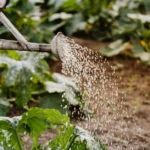
- Water gently to avoid disturbing the seeds, ensuring the soil is adequately moist.
- Cover with plastic wrap or a dome to maintain moisture and warmth.
- Place in a warm location, ideally between 65-75F, until germination.
Providing the Right Conditions
Once your seeds have sprouted, it’s crucial to provide them with enough light. A south-facing window is ideal, but if natural light is insufficient, a grow light can supplement it. Ensure seedlings receive 12-16 hours of light daily.
Temperature and Humidity
Maintaining the right temperature and humidity is vital. Seedlings prefer a consistent temperature and benefit from a slightly humid environment. A small fan can help circulate air and prevent mold.
Transplanting Seedlings
When seedlings have developed their first true leaves, it’s time to transplant them into larger pots. This step is crucial for root development and prepares them for outdoor planting. Gradually acclimate seedlings to outdoor conditions by placing them outside for increasing periods each day.
Hardening Off
Before planting in the garden, harden off your seedlings. This involves gradually introducing them to outdoor conditions over 7-10 days. This step helps prevent transplant shock.
Common Challenges and Solutions
Indoor seed starting can present challenges such as leggy seedlings, damping-off, and pests. Leggy seedlings often result from inadequate light, which can be corrected with a grow light. Damping-off, a fungal disease, can be mitigated by ensuring proper air circulation and avoiding overwatering.
Pest Prevention
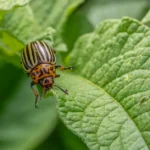
To prevent pests, inspect plants regularly and remove any affected leaves. Natural remedies, like neem oil, can also be effective against common indoor pests.
Benefits of Spring Seed Starting Indoors
The benefits of spring seed starting indoors extend beyond a head start on the growing season. It provides a sense of achievement and connection to the earth. Additionally, starting seeds indoors ensures you have access to a wider variety of plant species that may not be available as transplants.
Environmental Considerations
Indoor seed starting is an eco-friendly practice, reducing the need for plastic pots and packaging associated with store-bought transplants. It also allows for organic growing practices right from the start.
Conclusion
Embarking on the journey of spring seed starting indoors is a rewarding endeavor for any gardener. With patience and the right techniques, you can cultivate a vibrant and healthy garden that flourishes throughout the growing season. For more tips on sustainable gardening, consider checking out urban homesteading for beginners.
FAQs
What is the best time to start seeds indoors for spring planting?
The best time to start seeds indoors is typically 6-8 weeks before the last expected frost date in your area.
How do I know if my seedlings are ready to transplant?
Seedlings are ready to transplant when they have developed at least two sets of true leaves and are strong enough to withstand outdoor conditions.
Can I use regular garden soil for indoor seed starting?
It’s best to avoid regular garden soil for indoor seed starting as it may contain pathogens. Instead, use a sterilized seed starting mix.
For more insights on homesteading, visit homestead tips.