Modern homesteading local food networks are transforming the way people source, grow, and share food. These interconnected systems empower individuals and communities to produce, distribute, and enjoy fresh, local food while strengthening resilience and sustainability. Whether you live on a rural acreage or in an urban apartment, participating in these networks can help you access better ingredients, reduce your environmental impact, and foster meaningful relationships with neighbors and growers.
In this guide, you’ll discover how contemporary homesteaders are building vibrant food systems, practical steps to get involved, and why these networks matter for food security and community well-being. If you’re interested in starting your own vegetable patch, you might also want to check out this resource on how to grow vegetables in small spaces for practical tips tailored to urban settings.
The Evolution of Local Food Systems
Over the past decade, the concept of self-reliance has shifted from isolated rural homesteads to dynamic, community-based food networks. Unlike traditional approaches, today’s homesteaders often collaborate with neighbors, join cooperatives, and participate in urban agriculture projects. This evolution has made it easier for people in all environments to access fresh produce, eggs, dairy, and other essentials directly from local sources.
For a deeper look at how these approaches differ from older models, you can explore this comparison of modern and traditional homesteading that highlights key distinctions and benefits.
How Modern Homesteading Connects Communities
At the heart of these networks is a commitment to sharing resources and knowledge. By connecting with others who grow, raise, or make food, homesteaders can exchange seeds, swap surplus harvests, and coordinate group purchases. These activities not only reduce costs but also build trust and resilience within neighborhoods.
Some common ways people participate in local food systems include:
- Joining or starting a community garden
- Participating in food swaps or produce exchanges
- Forming buying clubs for bulk or specialty items
- Supporting local farmers’ markets and CSAs (Community Supported Agriculture)
- Hosting workshops or skill-sharing events
These activities make it possible for even small-scale growers to contribute to the food supply and for consumers to access a wider variety of fresh, seasonal foods.
Benefits of Participating in Local Food Networks
Engaging in these collaborative food systems offers a range of advantages for individuals, families, and communities:
- Fresher, healthier food: Locally grown produce is often harvested at peak ripeness, maximizing flavor and nutrition.
- Reduced environmental impact: Shorter supply chains mean less transportation, packaging, and waste.
- Economic resilience: Money spent within the community supports local farmers, artisans, and small businesses.
- Food security: By diversifying sources and building relationships, communities are better prepared for disruptions in the global food system.
- Skill development: Learning to grow, preserve, and prepare food fosters independence and confidence.
These networks also encourage experimentation and creativity, as members share recipes, gardening tips, and preservation techniques.
Getting Started with Your Own Network
Building or joining a local food system doesn’t require acres of land or years of experience. Here are practical steps to help you begin:
- Assess your resources: Consider what you can grow or produce in your space. Even a small balcony or patio can support container gardening or vertical planters.
- Connect with others: Reach out to neighbors, local gardening clubs, or online groups focused on food resilience in your area.
- Start small: Begin with one or two crops that are easy to grow and share, such as herbs, salad greens, or tomatoes. If you’re new to gardening, check out this guide on easy vegetables for beginners to grow.
- Share your surplus: Offer extra produce to friends, family, or community members. Organize informal swaps or join existing exchanges.
- Document and celebrate: Keep track of what you grow, share, and learn. Celebrate milestones and invite others to join your efforts.
Remember, every contribution—no matter how small—strengthens the fabric of your local food system.
Urban and Rural Approaches to Food Networks
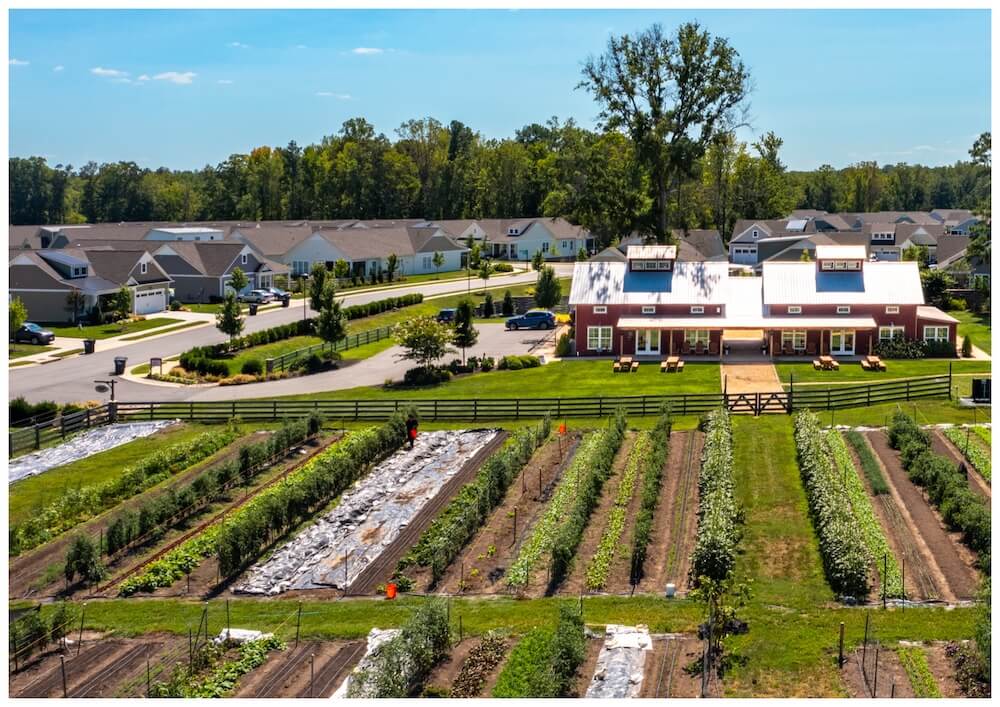
While the principles of modern homesteading apply everywhere, the strategies can differ based on location. In urban areas, space is often limited, so rooftop gardens, community plots, and shared greenhouses are popular. Rural homesteaders may have more land for livestock, orchards, or large-scale vegetable production, but they often rely on neighbors for equipment sharing and group processing days.
Regardless of setting, the key is to adapt to your environment and collaborate with others. Urban dwellers might benefit from resources like how to grow vegetables in small spaces, while rural homesteaders can focus on building connections with nearby farms and markets.
Integrating Technology and Tradition
Today’s food networks often blend time-tested methods with modern technology. Social media groups, online marketplaces, and apps make it easier to coordinate exchanges, find local producers, and share knowledge. At the same time, traditional practices like seed saving, composting, and seasonal eating remain at the core of resilient food systems.
By combining digital tools with hands-on skills, homesteaders can reach more people, reduce waste, and respond quickly to changing needs.
Tips for Sustaining Your Local Food Community
To keep your network thriving, consider these best practices:
- Communicate regularly: Use group chats, newsletters, or bulletin boards to share updates and opportunities.
- Celebrate diversity: Encourage members to grow different crops, raise various animals, or try new preservation methods.
- Host gatherings: Potlucks, workshops, and harvest festivals help build relationships and attract new participants.
- Support local businesses: Partner with nearby farms, bakeries, or food artisans to expand your network’s offerings.
- Stay adaptable: Be open to new ideas and willing to adjust as your community’s needs evolve.
Over time, these efforts can transform your neighborhood into a vibrant hub of food production, sharing, and learning.
Frequently Asked Questions
What are the main advantages of joining a local food network?
Participating in these systems provides access to fresher, more nutritious food, reduces your carbon footprint, and supports local economies. It also fosters community connections and increases food security by diversifying sources and building resilience.
Can I participate in a food network if I live in an apartment?
Absolutely. Many urban homesteaders grow food in containers, join community gardens, or participate in food swaps. Even small contributions, like sharing herbs or homemade preserves, help strengthen the network.
How do I find or start a local food group in my area?
Begin by searching for gardening clubs, community gardens, or food co-ops nearby. Social media and neighborhood forums are great places to connect with others interested in local food. If nothing exists, consider inviting neighbors to a meeting or starting a small produce exchange to get things started.
Conclusion
Modern approaches to homesteading and food networks offer practical, rewarding ways to improve your diet, reduce your environmental impact, and build stronger communities. By taking small steps—whether growing a few vegetables, swapping produce, or joining a cooperative—you can play an active role in shaping a more resilient and sustainable food future. Explore the resources and connections available in your area, and remember that every effort counts toward a healthier, more connected world.