Chard is a vibrant, nutritious leafy green that’s surprisingly easy to cultivate inside your home. Whether you’re short on outdoor space or want a year-round supply of fresh greens, learning how to grow chard indoors can be a rewarding addition to your gardening skills. This guide covers everything you need to know, from choosing containers and soil to lighting, watering, and harvesting. With the right setup, you can enjoy crisp, homegrown chard even in the smallest apartment or urban setting.
Before diving into the step-by-step process, it’s helpful to explore other ways to maximize your indoor garden. For those interested in making the most of limited space, check out this resource on how to grow vegetables in small spaces for practical tips and inspiration.
Why Choose Indoor Chard Cultivation?
Growing chard inside offers several advantages. It allows for a controlled environment, reducing the risk of pests and unpredictable weather. Indoor gardening also means you can harvest fresh greens throughout the year, regardless of the season. Chard is particularly well-suited to indoor growing because it’s tolerant of lower light and can thrive in containers of various sizes.
Additionally, cultivating leafy greens indoors is a great way to introduce children or beginners to gardening. The process is straightforward, and the results are both visually appealing and delicious.
Essential Supplies for Indoor Chard
Before planting, gather the following supplies to set yourself up for success:
- Containers: Choose pots or grow bags at least 6–8 inches deep. Drainage holes are essential.
- Potting Mix: Use a high-quality, well-draining potting soil rich in organic matter.
- Chard Seeds: Both Swiss chard and rainbow chard varieties work well indoors.
- Grow Lights: If natural sunlight is limited, invest in full-spectrum LED grow lights for optimal growth.
- Watering Can or Spray Bottle: For gentle, even watering.
For those looking to upgrade their setup, consider using a gardening container or a fabric grow bag for better drainage and root health.
Setting Up Your Indoor Chard Garden
Follow these steps to prepare your growing area and get your chard off to a strong start:
- Choose the Right Location: Place containers near a south-facing window or under LED grow lights. Chard prefers at least 4–6 hours of light daily.
- Fill Containers: Add potting mix, leaving about an inch of space at the top for watering.
- Sow Seeds: Plant seeds about ½ inch deep and 2 inches apart. Cover lightly with soil and mist gently.
- Water: Keep the soil consistently moist but not soggy. Avoid letting the soil dry out completely.
- Thin Seedlings: Once seedlings have a few true leaves, thin them to 4–6 inches apart to allow room for growth.
Lighting and Temperature Tips for Indoor Chard
One of the most important aspects of growing chard indoors is providing adequate light. While chard can tolerate lower light than some vegetables, it still needs several hours of bright, indirect sunlight or supplemental grow lights. If natural light is limited, position LED grow lights 6–12 inches above the plants and keep them on for 12–14 hours daily.
Chard prefers temperatures between 60–75°F (16–24°C). Avoid placing containers near cold drafts or heat sources like radiators, as temperature fluctuations can stress the plants.
Watering, Feeding, and Ongoing Care
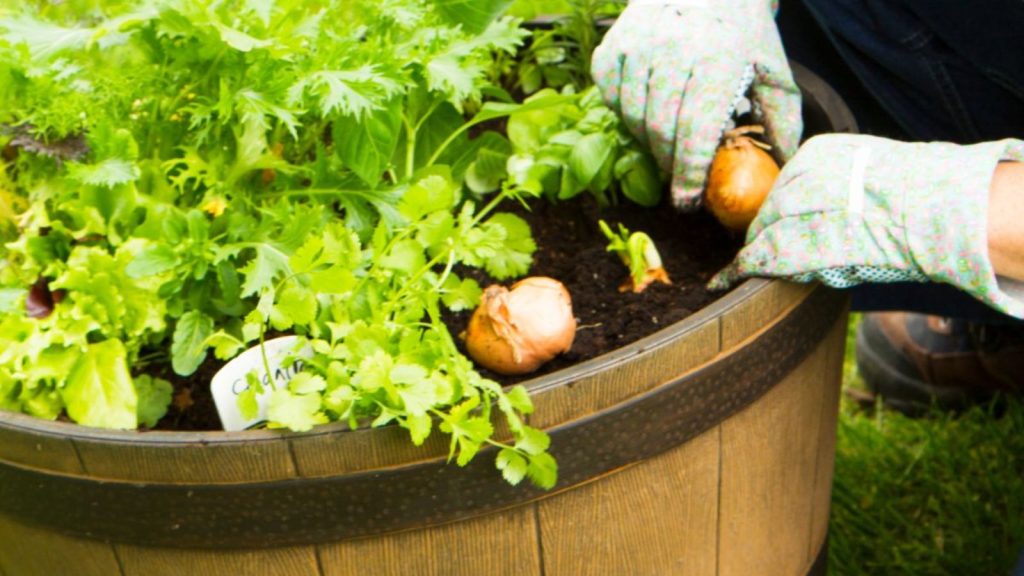
Consistent moisture is key to healthy chard. Water when the top inch of soil feels dry, but avoid waterlogging the roots. Indoor air can be dry, so check soil moisture regularly, especially during winter months.
Feed your plants every 3–4 weeks with a balanced liquid fertilizer, diluted to half strength. This supports lush leaf growth and vibrant color. Remove any yellowing or damaged leaves to keep the plant healthy and encourage new growth.
For more tips on starting your homesteading journey, you might find this article on homesteading principles for beginners helpful, especially if you’re looking to expand your indoor or outdoor gardening efforts.
Harvesting and Using Your Indoor Chard
Chard is a “cut-and-come-again” crop, meaning you can harvest outer leaves as needed while the plant continues to grow. Begin harvesting when leaves reach 6–8 inches long. Use clean scissors or garden shears to snip leaves about an inch above the soil, leaving the central growth point intact.
Fresh chard is delicious in salads, sautés, soups, and smoothies. Regular harvesting encourages the plant to produce more leaves, extending your harvest window for several months.
Troubleshooting Common Indoor Chard Issues
While chard is generally low-maintenance, a few issues can arise indoors:
- Leggy Seedlings: Usually caused by insufficient light. Move plants closer to a window or add grow lights.
- Yellowing Leaves: May indicate overwatering, underwatering, or nutrient deficiency. Check soil moisture and fertilize as needed.
- Pests: Indoor chard is less prone to pests, but aphids or fungus gnats can appear. Remove affected leaves and use insecticidal soap if necessary.
Staying attentive to your plants’ needs helps prevent most problems before they start. For more ideas on what to grow at home, see this list of the best vegetables to grow at home.
Frequently Asked Questions
How much light does indoor chard really need?
Chard prefers at least 4–6 hours of bright, indirect sunlight per day. If you don’t have a sunny window, supplement with LED grow lights for 12–14 hours daily to ensure healthy growth.
Can I regrow chard from kitchen scraps indoors?
While you can regrow some greens from scraps, chard is best started from seed for robust, productive plants. However, you can try placing the root end of a store-bought chard bunch in water to encourage some regrowth, though results may vary.
What’s the best container size for indoor chard?
Use containers or grow bags that are at least 6–8 inches deep. This gives the roots enough space to develop and supports healthy, leafy growth.
How long does it take to harvest chard indoors?
Chard seeds typically sprout within 7–10 days. You can begin harvesting baby leaves in about 30 days, with mature leaves ready in 50–60 days, depending on conditions.
Conclusion
With the right setup and a little attention, anyone can enjoy fresh, homegrown chard indoors. From selecting containers and soil to providing adequate light and regular care, each step brings you closer to a thriving indoor garden. Don’t forget to experiment with different varieties and growing methods to find what works best in your space. For more seasonal planting tips, see advice on when to plant vegetables in spring and keep your indoor garden productive all year long.