Creating a modern homesteading backyard sustainability plan is an effective way to increase self-reliance, reduce your environmental footprint, and enjoy a more resilient lifestyle. Whether you have a small suburban yard or a larger rural property, thoughtful planning can turn any outdoor space into a productive, eco-friendly oasis. This guide explores practical steps, essential elements, and proven strategies for building a sustainable homestead right in your backyard.
From efficient garden layouts to water conservation and renewable energy, a well-designed approach can help you meet many of your family’s needs while fostering a deeper connection to the land. If you’re interested in learning more about traditional skills that complement these efforts, the modern homesteading traditional skills revival resource offers valuable insights.
Key Elements of a Sustainable Backyard Homestead
Developing a resilient homestead involves more than just planting a few vegetables. A comprehensive sustainability plan addresses food production, resource management, and ecological balance. Here are the core components to consider:
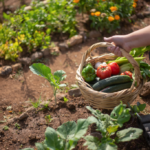
- Food Gardens: Grow a variety of fruits, vegetables, and herbs using organic methods. Raised beds, container gardens, and vertical growing systems can maximize yields in limited space.
- Composting: Transform kitchen scraps and yard waste into nutrient-rich compost to feed your soil and reduce landfill contributions.
- Water Conservation: Install rain barrels, drip irrigation, and mulching systems to make the most of every drop and protect against drought.
- Renewable Energy: Consider solar panels or small wind turbines to reduce reliance on the grid and lower your energy bills.
- Habitat Creation: Incorporate native plants, pollinator gardens, and wildlife shelters to support biodiversity and natural pest control.
Designing Your Outdoor Space for Maximum Efficiency
Space planning is crucial for any backyard sustainability strategy. A thoughtful layout ensures that each element supports the others, making your homestead more productive and easier to manage. For detailed tips on optimizing your yard, see the modern homesteading efficient space planning guide.
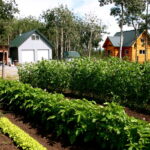
Start by mapping out your available area and noting sunlight patterns, water sources, and existing structures. Group plants with similar water and light needs together. Place compost bins and rain barrels near gardens for convenience. Paths and access points should allow easy movement between zones without compacting soil or disturbing delicate plants.
Food Production: Gardens, Animals, and Preservation
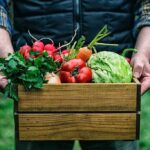
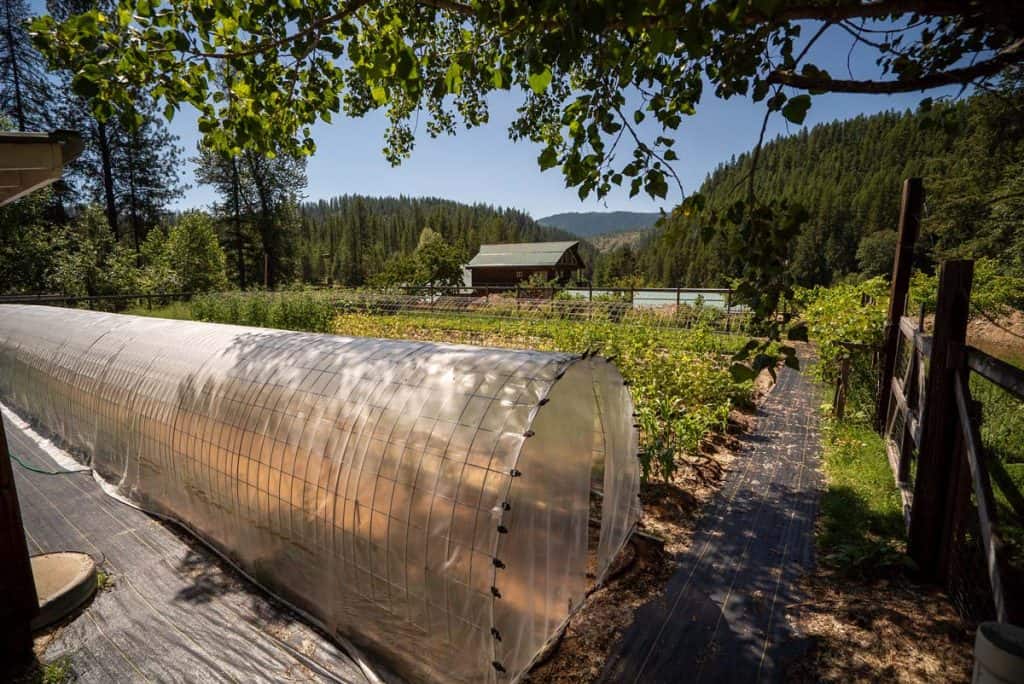
At the heart of any modern homesteading backyard sustainability plan is the ability to grow and preserve your own food. Even a modest plot can yield impressive results with the right techniques:
- Vegetable Gardens: Rotate crops each season to maintain soil health and reduce pests. Use companion planting to boost yields and minimize chemical inputs.
- Fruit Trees and Bushes: Dwarf varieties are perfect for small yards and provide fresh produce for years to come.
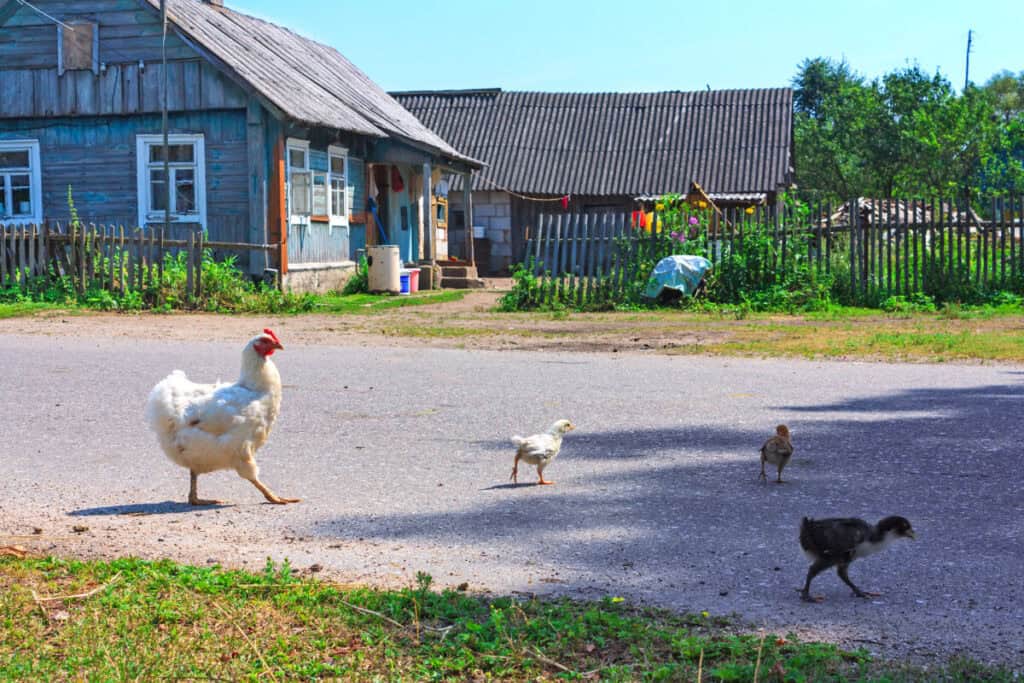
- Backyard Livestock: Chickens, rabbits, or even a few bees can supply eggs, meat, and honey while enriching your ecosystem.
- Food Preservation: Canning, dehydrating, and fermenting help you store harvests for year-round use and reduce food waste.
For those with limited space, creative solutions like vertical gardens or container planting can make a big difference. Explore additional ideas for compact spaces in the modern homesteading micro homestead ideas article.
Water Management and Conservation Techniques
Efficient water use is a cornerstone of any sustainable homestead. With changing weather patterns and increasing droughts, it’s essential to capture, store, and use water wisely. Here are some proven methods:
- Rainwater Harvesting: Collect runoff from roofs in barrels or cisterns for garden irrigation.
- Drip Irrigation: Deliver water directly to plant roots, reducing evaporation and runoff.
- Mulching: Apply organic mulch to retain moisture, suppress weeds, and improve soil structure.
- Greywater Systems: Reuse lightly used household water for landscaping (where permitted by local codes).
These strategies not only conserve resources but also lower your utility bills and build resilience against dry spells.
Building Soil Health and Composting Systems
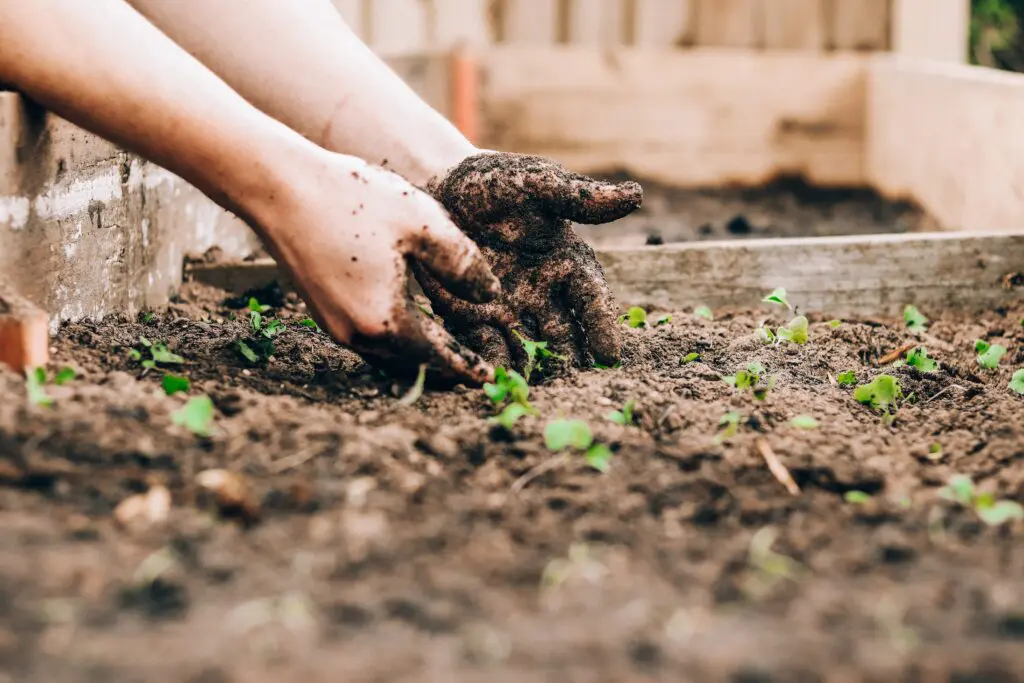
Healthy soil is the foundation of a productive homestead. By nurturing your soil, you ensure robust plant growth, better yields, and reduced need for synthetic fertilizers. Key practices include:
- Composting: Turn kitchen scraps, leaves, and grass clippings into rich humus. A simple bin or pile works for most yards.
- Cover Crops: Plant legumes and grasses in the off-season to fix nitrogen and prevent erosion.
- Minimal Tillage: Disturb the soil as little as possible to preserve beneficial microbes and structure.
- Natural Amendments: Use compost tea, worm castings, and rock dust to boost fertility without chemicals.
These steps create a living soil ecosystem that supports healthy plants and abundant harvests year after year.
Integrating Renewable Energy and Resource Cycles
Modern homesteaders increasingly look to renewable energy and closed-loop systems to further reduce their environmental impact. Solar panels, wind turbines, and even small hydro setups can provide clean, reliable power. Composting toilets and greywater systems help recycle nutrients and water, closing the loop on waste.
By integrating these technologies, you can lower your reliance on external utilities and move closer to true self-sufficiency. For a deeper dive into how these principles fit into the broader movement, the introduction to modern homesteading podcast offers expert perspectives and practical advice.
Community, Bartering, and Skill Sharing
No homestead exists in isolation. Building connections with neighbors and local networks can amplify your sustainability efforts. Bartering surplus produce, sharing tools, and exchanging skills like canning or knitting foster resilience and reduce dependence on outside markets. For creative ideas on trading and cooperation, check out the modern homesteading bartering ideas guide.
Skill sharing is especially valuable—learning from others and teaching what you know strengthens community ties and keeps traditional knowledge alive. If you’re interested in picking up new crafts, resources such as modern homesteading knitting for beginners can be a great starting point.
Frequently Asked Questions
What are the first steps in creating a sustainable backyard homestead?
Start by assessing your available space, sunlight, and water sources. Plan your garden layout, set up composting, and begin with a few easy-to-grow crops. Gradually add elements like rain barrels, renewable energy, and small livestock as your experience grows.
How can I make my backyard more productive if I have limited space?
Use vertical gardening, raised beds, and container planting to maximize yields. Choose compact or dwarf plant varieties and consider keeping small animals like chickens or rabbits. Efficient space planning and succession planting help you get the most from every square foot.
Is it expensive to set up a backyard sustainability plan?
Costs vary depending on your goals and existing resources. Many elements, like composting and mulching, require minimal investment. Start small, reuse materials where possible, and expand as your budget allows. Over time, growing your own food and reducing utility bills can offset initial expenses.