The resurgence of interest in modern homesteading traditional skills revival reflects a growing desire for self-sufficiency, sustainability, and a deeper connection to the land. As more people seek ways to live intentionally and reduce their reliance on commercial systems, time-honored practices like gardening, food preservation, animal husbandry, and crafting are being rediscovered and adapted for contemporary life. This movement isn’t just about nostalgia—it’s about practical skills that empower individuals and families to thrive in a changing world.
Whether you live in the city, suburbs, or countryside, embracing these skills can help you create a more resilient lifestyle. From growing your own vegetables to making household goods by hand, the revival of traditional know-how is shaping a new generation of homesteaders. For those looking to start small, resources like modern homesteading micro homestead ideas offer inspiration and practical steps to begin your journey.
Rediscovering Essential Homesteading Skills
At the heart of the modern homesteading traditional skills revival is a renewed appreciation for practical, hands-on abilities. These skills, once considered essential for daily living, are now being revived by people of all backgrounds. Some of the most popular areas include:
- Gardening and food production: Growing vegetables, fruits, and herbs for personal use.
- Food preservation: Canning, fermenting, dehydrating, and freezing to extend harvests.
- Animal husbandry: Raising chickens, goats, bees, or other livestock for eggs, milk, honey, and more.
- Handcrafting: Skills like sewing, knitting, candle making, and woodworking.
- Natural home care: Making soaps, cleaners, and remedies from simple ingredients.
Learning these skills fosters independence and can also be a source of joy and fulfillment. Many homesteaders find that the process of mastering traditional crafts leads to a greater sense of accomplishment and well-being.
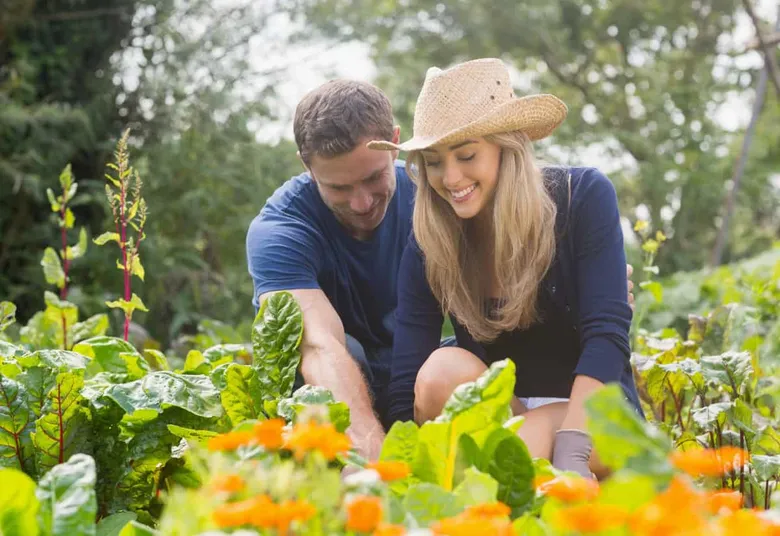
Adapting Old-Fashioned Practices for Modern Life
One of the strengths of today’s homesteading movement is its adaptability. While traditional skills remain at the core, modern homesteaders often blend old techniques with new tools and technologies. For example, many use digital resources to learn about gardening or food preservation, and social media connects like-minded individuals for sharing tips and encouragement.
Urban and suburban dwellers are also finding creative ways to participate. Small-space gardening, container growing, and balcony beekeeping are just a few examples of how these practices can be adapted to fit any environment. For those interested in learning more about bartering and resourcefulness, the modern homesteading bartering ideas guide provides practical insights.
Building Community Through Shared Knowledge
The revival of traditional skills is not just an individual pursuit. Community plays a significant role in spreading knowledge and fostering resilience. Local workshops, online forums, and neighborhood groups allow people to exchange seeds, swap recipes, and teach each other valuable techniques.
Many homesteaders also participate in local farmers’ markets, seed swaps, and skill-sharing events. These gatherings help strengthen community bonds and ensure that valuable knowledge is passed on to future generations.
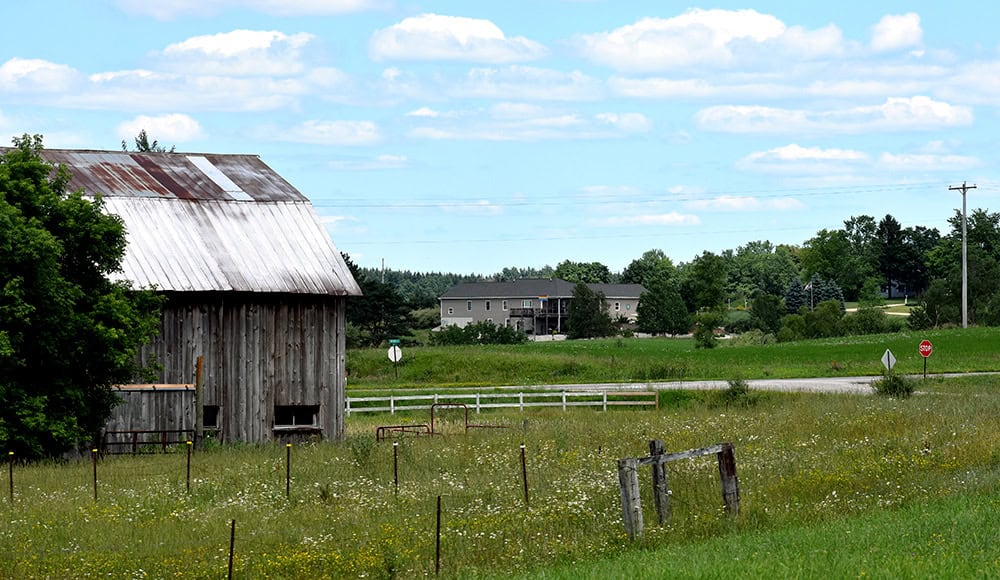
Key Areas of the Modern Homesteading Skills Revival
The scope of modern homesteading traditional skills revival is broad, encompassing everything from food and textiles to household management. Here are some of the main areas where these skills are making a comeback:
Food Production and Preservation
Growing your own food is a cornerstone of the homesteading lifestyle. Even a small garden can yield fresh produce and herbs, reducing grocery bills and increasing food security. Once harvested, preserving the bounty through canning, fermenting, or dehydrating ensures that nothing goes to waste.
For beginners, starting with a few raised beds or container gardens is a manageable way to learn. As skills grow, expanding to fruit trees, berry bushes, or even a small flock of chickens can further enhance self-reliance.
Textile and Craft Skills
Handcrafting clothing, blankets, and household items is another area seeing renewed interest. Learning to sew, mend, or knit not only saves money but also reduces waste. For those eager to explore these crafts, the modern homesteading sewing basics and modern homesteading textile skills guide offer step-by-step instructions and inspiration.
Other popular crafts include candle making, soap making, and woodworking. These skills can be both practical and creative outlets, allowing homesteaders to personalize their homes and even create goods for barter or sale. For a closer look at making candles at home, visit the modern homesteading candle making basics guide.
Resourcefulness and Bartering
A key aspect of the homesteading mindset is making the most of available resources. This includes repurposing materials, repairing rather than replacing, and trading goods or services with others. Bartering is a time-tested way to build community and meet needs without relying solely on cash.
Learning to identify local resources, from wild edibles to community tool libraries, can further enhance self-sufficiency. For more on getting started with homesteading and practical tips, the article what is modern homesteading and how to get started provides a comprehensive overview.
Benefits of Embracing Traditional Skills Today
The modern revival of homesteading skills offers a range of benefits beyond simple self-sufficiency. These include:
- Improved food quality and nutrition through homegrown and homemade products.
- Cost savings by reducing reliance on store-bought goods.
- Environmental sustainability by minimizing waste and supporting local ecosystems.
- Personal satisfaction from learning, creating, and achieving tangible results.
- Stronger community connections through sharing, bartering, and teaching.
Even small steps toward reviving traditional skills can have a significant impact on your lifestyle and well-being. The journey is ongoing, and each new skill learned adds to your resilience and confidence.
Frequently Asked Questions
What are some easy traditional skills to start with?
Begin with basic gardening, simple food preservation methods like freezing or fermenting, or learning to sew and mend clothing. These skills require minimal investment and can be practiced in most living situations.
Can I practice homesteading skills if I live in an apartment?
Absolutely. Many traditional skills can be adapted for small spaces, such as container gardening, making homemade cleaners, or learning to knit. Urban homesteaders often find creative ways to grow food and make goods at home.
How do I connect with others interested in traditional skills?
Look for local gardening clubs, community workshops, or online forums dedicated to homesteading and self-sufficiency. Social media groups and local farmers’ markets are also great places to meet like-minded individuals and share knowledge.