Adopting a modern approach to homesteading means making the most of every square foot, whether you’re working with a sprawling rural property or a compact backyard. Modern homesteading efficient space planning is about designing your land and living areas to maximize productivity, sustainability, and comfort. With thoughtful organization and creative solutions, even small spaces can yield impressive results—supporting gardens, livestock, and self-sufficient living.
Before diving into layout ideas and practical tips, it’s helpful to explore a variety of strategies and resources. For those interested in getting started on a smaller scale, modern homesteading micro homestead ideas offer inspiration for transforming limited areas into productive, enjoyable spaces.
Core Principles of Smart Homestead Layouts
Successful homestead design starts with a clear understanding of your goals and resources. Whether you want to grow food, raise animals, or simply live more sustainably, efficient use of space is essential. Here are some foundational principles to guide your planning:
- Zone planning: Divide your property into zones based on frequency of use. Place high-traffic areas like kitchens, gardens, and tool sheds close to your home, while less frequently accessed spaces (such as woodlots or compost piles) can be further away.
- Multi-functionality: Design spaces and structures to serve more than one purpose. For example, a greenhouse can double as a chicken coop in winter, or a shed can store both tools and animal feed.
- Vertical integration: Use vertical space for growing food, storing supplies, or housing animals. Trellises, shelves, and stacked planters are excellent for maximizing yield in small footprints.
- Accessibility: Ensure pathways are wide enough for wheelbarrows and accessible for all family members. Good access saves time and effort, especially during harvest or maintenance tasks.
Designing for Maximum Productivity
When it comes to efficient space planning for modern homesteads, productivity is about more than just cramming as much as possible into every corner. It’s about thoughtful placement, easy workflow, and sustainability. Here’s how to boost output without sacrificing comfort or aesthetics:
Optimizing Garden and Orchard Areas
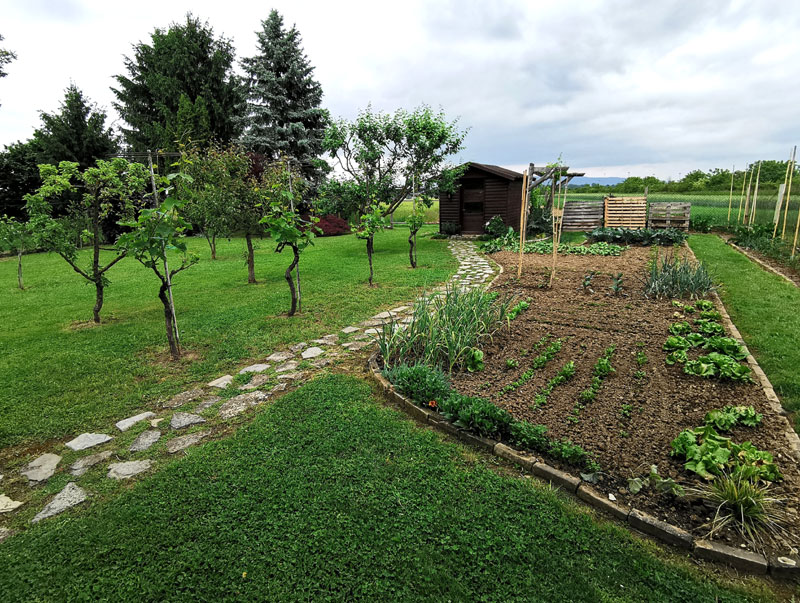
Start by mapping out your sunniest spots for vegetable beds, herbs, and fruit trees. Raised beds and container gardens are ideal for small or uneven plots, while companion planting can help deter pests and increase yields. Consider integrating perennial crops, which require less maintenance and provide food year after year.
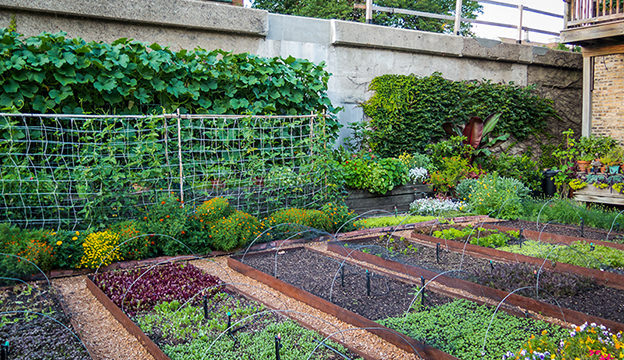
Don’t overlook vertical gardening techniques—trellises for beans, wall-mounted planters for strawberries, or espaliered fruit trees along fences. These methods save ground space and can even create attractive green walls or privacy screens.
Livestock and Animal Integration
For those raising chickens, goats, or rabbits, efficient layouts are crucial. Portable coops or movable pens (also known as chicken tractors) allow animals to graze new areas, fertilize the soil, and control pests—all while reducing wear on any single patch of ground. If you have limited land, stacking functions—such as placing a rabbit hutch above a worm bin—can make the most of vertical space.
Water access and shade are also important. Position animal shelters near water sources and use natural or constructed shade to keep livestock comfortable during hot months.
Creative Solutions for Small and Urban Homesteads
Not everyone has acres to work with. Urban and suburban homesteaders can still achieve impressive self-sufficiency by thinking creatively about space. Here are a few strategies:
- Balcony and rooftop gardening: Use containers, vertical towers, and railing planters to grow herbs, greens, and even small fruiting plants.
- Shared spaces: Collaborate with neighbors to share tools, land, or harvests. Community gardens are a great way to expand your growing area and build local connections.
- Indoor growing: Windowsills, shelves, and hydroponic setups can provide fresh greens and herbs year-round, even in apartments.
For more inspiration on creative and practical skills, explore resources like modern homesteading sewing basics and modern homesteading candle making basics to further enhance your self-sufficient lifestyle.
Tools and Resources for Planning Your Homestead
Effective planning starts with the right tools. Use graph paper, online mapping tools, or homestead design apps to sketch out your property and experiment with different layouts. Consider these steps for a streamlined process:
- Measure your space and note existing features (buildings, trees, slopes, water access).
- List your priorities—food production, livestock, recreation, storage, etc.
- Draft several layout options, keeping in mind sun exposure, wind direction, and drainage.
- Consult with family or other homesteaders for feedback and new ideas.
For a deeper dive into the philosophy and practicalities of self-sufficient living, check out this comprehensive guide to modern homesteading that covers everything from land selection to daily routines.
Common Mistakes and How to Avoid Them
Even experienced homesteaders can fall into traps that waste time, money, or energy. Here are some pitfalls to watch for when planning your space:
- Overcrowding: Trying to fit too many projects or structures into a small area can lead to poor yields and maintenance headaches. Prioritize quality over quantity.
- Ignoring access: Make sure all areas are easily reachable, especially for hauling supplies or harvesting crops. Plan for wide, clear paths and avoid awkward corners.
- Neglecting future growth: Leave room for expansion, whether it’s adding new garden beds, a greenhouse, or more animals. Flexible layouts save time and effort down the road.
Integrating Sustainability and Resilience
Efficient layouts are not just about maximizing output—they also support long-term sustainability. Incorporate composting systems, rainwater harvesting, and renewable energy sources where possible. Use native plants and permaculture principles to create resilient, low-maintenance landscapes that thrive with minimal inputs.
For those interested in traditional skills that complement space-saving strategies, the modern homesteading textile skills guide offers practical advice for making the most of your resources.
Frequently Asked Questions
How do I start planning my homestead layout?
Begin by assessing your property’s size, shape, and existing features. List your priorities—such as food production, livestock, or recreation—and sketch a basic map. Place high-use areas close to your home and consider sun, wind, and water access in your design.
What are some space-saving ideas for small homesteads?
Use vertical gardening, container planting, and multi-functional structures. Portable animal pens, stacked planters, and integrating perennial crops are all effective ways to maximize limited space.
How can I make my homestead more sustainable?
Incorporate composting, rainwater collection, and native plants. Use renewable energy sources if possible, and design your layout to minimize waste and maintenance. Following permaculture principles can help create a resilient, self-sustaining environment.
Thoughtful modern homesteading efficient space planning lays the foundation for a productive, enjoyable, and sustainable lifestyle—no matter the size of your property. By applying these principles and drawing on the experiences of others, you can create a homestead that meets your needs today and adapts to changes in the future.