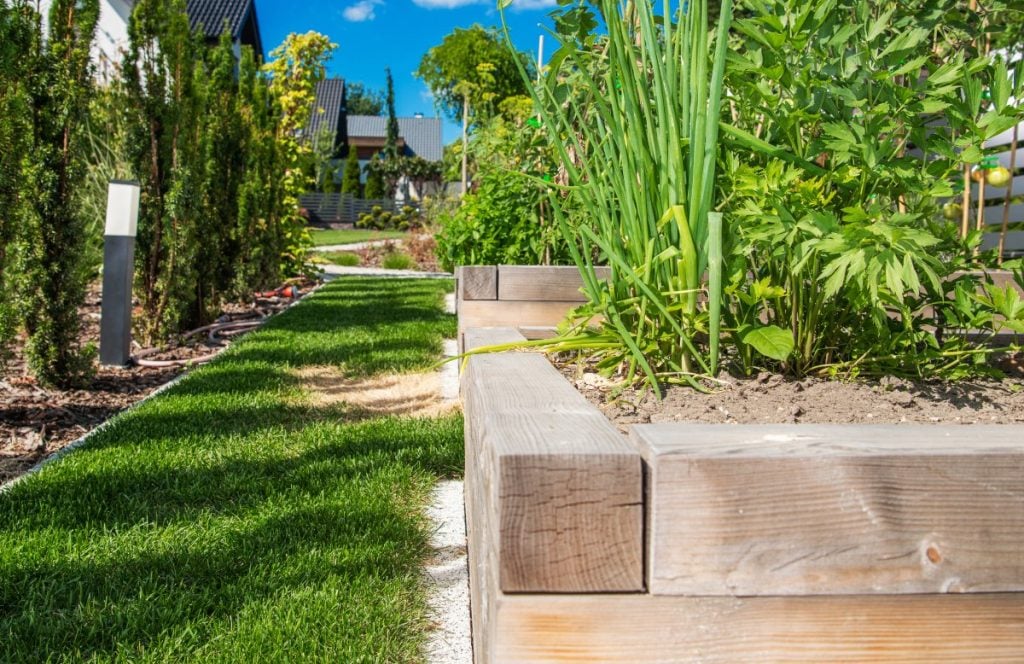
Creating elevated planting areas in your backyard can transform your gardening experience. These structures not only enhance the aesthetic appeal of your space but also improve soil drainage and make gardening more accessible. In this guide, we’ll explore the steps to construct these garden features effectively and efficiently.
Before diving into the construction process, it’s essential to consider the materials and tools you’ll need. Whether you’re a seasoned gardener or a beginner, understanding the basics of building these beds will help you make the most of your garden space. For additional tips on homesteading, you might find the modern homesteading fencing guide useful.
Choosing the Right Location
When deciding where to place your raised garden beds, consider factors such as sunlight, proximity to water sources, and accessibility. Ideally, select a location that receives at least six to eight hours of sunlight daily. This ensures that your plants have the necessary light to thrive.
Selecting Materials for Construction
The materials you choose will affect the durability and appearance of your garden beds. Common options include wood, metal, and stone. Wood is a popular choice due to its natural look and ease of use. However, ensure that the wood is untreated to avoid chemicals leaching into the soil. Metal and stone offer longevity and a modern aesthetic.
Step-by-Step Construction Process
Follow these steps to build your raised garden beds:
- Measure and Mark: Determine the size of your garden bed and mark the area using stakes and string.
- Prepare the Ground: Clear the area of grass and weeds. Level the ground to ensure stability.
- Assemble the Frame: Cut your materials to size and assemble the frame using screws or nails. Ensure the corners are square.
- Place the Frame: Position the frame in the marked area and secure it to the ground if necessary.
- Fill with Soil: Add a mixture of topsoil, compost, and other organic materials to fill the bed. This provides a nutrient-rich environment for your plants.
Maintaining Your Raised Garden Beds
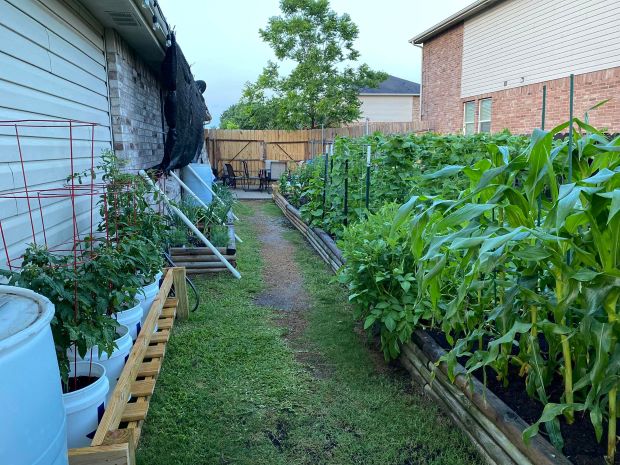
Once your beds are built and planted, maintenance is key to a thriving garden. Regularly water your plants, especially during dry spells. Mulching can help retain moisture and suppress weeds. Additionally, consider rotating crops each season to maintain soil health.
For more insights into sustainable living, explore the homesteading lifestyle, which offers a wealth of information on self-sufficiency and eco-friendly practices.
FAQ
What are the benefits of raised garden beds?
Raised garden beds offer improved drainage, better soil quality, and easier access for planting and harvesting. They can also reduce the risk of soil compaction and provide a barrier against pests.
How deep should a raised garden bed be?
The depth of your garden bed depends on the plants you intend to grow. Generally, a depth of 12 to 18 inches is sufficient for most vegetables and flowers.
Can I use treated wood for my garden beds?
It’s best to avoid treated wood as it may contain chemicals that can leach into the soil. Opt for untreated wood or other materials like metal or stone for a safer gardening environment.