Starting a garden in a limited area can be both rewarding and challenging. Whether you’re working with a balcony, a small backyard, or even a sunny windowsill, nurturing healthy seedlings in tight quarters requires careful planning and attention to detail. This guide offers practical advice for small-space seedling care, covering everything from choosing containers to maximizing light and managing moisture. With the right approach, even the smallest spaces can yield robust, thriving plants.
If you’re interested in expanding your urban or suburban homesteading skills, you might also find value in the modern homesteading herbal garden ideas for inspiration on growing herbs in compact environments.
Choosing the Right Containers for Limited Spaces
Selecting suitable containers is the foundation of successful small-space seedling care. The right vessel not only supports healthy root development but also makes the most of your available area. Consider these options:
- Fabric grow bags: Lightweight, breathable, and easy to store when not in use. They promote air pruning of roots, which helps prevent root-bound plants.
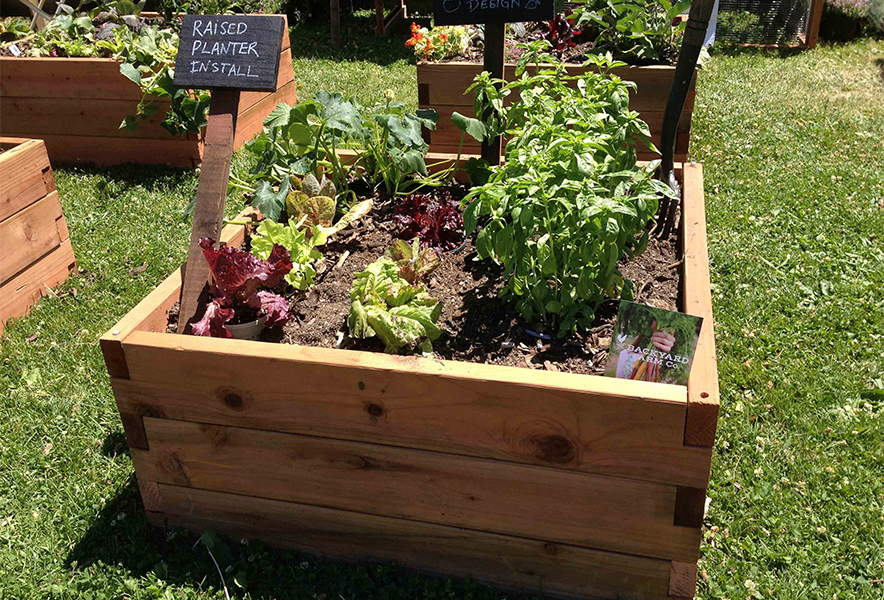
- Raised beds: Ideal for patios or rooftops, these provide excellent drainage and can be customized to fit your space.
- Recycled containers: Items like yogurt cups, milk cartons, or even old buckets can be repurposed for seedlings, provided they have adequate drainage holes.
When choosing containers, ensure they are at least 2–4 inches deep for most seedlings. Deeper pots may be necessary for crops with longer taproots, such as carrots or beets. Always prioritize containers that allow excess water to escape, as soggy soil can quickly lead to root rot in confined spaces.
Optimizing Light for Seedling Health
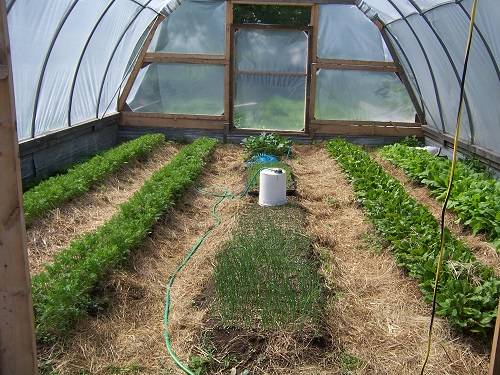
Light is one of the most critical factors in small-space seedling care. In compact environments, natural sunlight can be limited, especially indoors or on shaded balconies. To ensure your seedlings grow strong and avoid becoming leggy, consider these strategies:
- South-facing windows: Place seed trays where they will receive the most direct sunlight, ideally 6–8 hours per day.
- Supplemental lighting: Use LED grow lights to provide the full spectrum of light seedlings need. Position lights 2–4 inches above the plants and adjust as they grow.
- Rotate trays: Turn containers regularly so all seedlings receive equal light exposure, preventing uneven growth.
If you’re unsure about the best lighting setup, this guide to starting homesteading in a small space offers additional tips on maximizing available light and other resources.
Watering and Humidity Management in Tight Quarters
Proper moisture control is essential for healthy seedlings, especially when space is at a premium. Overwatering is a common issue in small containers, as excess water cannot disperse as easily as in open ground. Here’s how to strike the right balance:
- Check soil moisture: Stick your finger about an inch into the soil. If it feels dry, it’s time to water. If it’s still moist, wait another day.
- Use a spray bottle: Gentle misting prevents disturbing delicate roots and avoids waterlogging.
- Bottom watering: Place pots in a shallow tray of water for 10–20 minutes, allowing soil to absorb moisture from below. Remove once the top feels damp.
- Monitor humidity: In dry indoor environments, cover seedlings with a clear plastic dome or bag to retain humidity, but remove it daily to prevent mold.
Consistent watering routines and good airflow are key to preventing fungal diseases and damping off, which can quickly wipe out young plants in confined spaces.
Soil, Fertilizer, and Nutrient Tips for Compact Seedling Setups
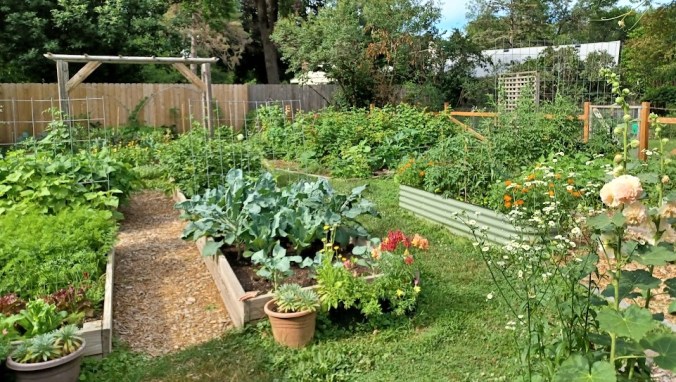
The right soil mix and nutrients are crucial for seedlings grown in small containers. Standard garden soil is often too dense and may harbor pests or diseases. Instead, use a high-quality seed starting mix that is light, sterile, and drains well.
- Seed starting mix: Look for blends containing peat moss or coconut coir, perlite, and vermiculite. These ingredients promote aeration and moisture retention.
- Fertilizing: Once seedlings develop their first true leaves, feed them with a diluted, balanced liquid fertilizer (such as 10-10-10) every 2–3 weeks. Avoid over-fertilizing, as this can burn tender roots.
- Compost tea: For an organic boost, water seedlings with a weak compost tea solution to introduce beneficial microbes and nutrients.
Regularly inspect seedlings for signs of nutrient deficiency, such as yellowing leaves or stunted growth, and adjust your feeding schedule as needed.
Transplanting and Hardening Off in Small Areas
When seedlings outgrow their starter pots or are ready to move outdoors, proper transplanting is essential. In small spaces, this often means moving plants to larger containers, raised beds, or vertical planters.
- Harden off seedlings: Gradually expose young plants to outdoor conditions over 7–10 days. Start with a few hours in a sheltered spot, increasing time and sunlight exposure daily.
- Transplant carefully: Water seedlings before transplanting, and handle by the leaves, not the stems, to avoid damage.
- Space efficiently: Use vertical gardening solutions like trellises or wall planters to maximize your growing area.
Remember, even after transplanting, continue to monitor moisture, light, and nutrients closely. Small-space gardens require ongoing attention, but the rewards are well worth the effort.
Common Challenges and Solutions for Urban Seedlings
Urban and small-space gardeners often face unique obstacles. Here are some common issues and practical solutions:
- Pest control: Use physical barriers like mesh or row covers to protect seedlings from insects. Hand-pick pests when possible.
- Limited airflow: Arrange containers with space between them and use small fans indoors to reduce fungal risks.
- Temperature fluctuations: Move containers indoors during cold snaps or use cloches and mini-greenhouses to maintain warmth.
- Soil compaction: Avoid pressing down soil when planting, and refresh potting mix each season to maintain aeration.
For more tips on managing a productive homestead in a compact setting, you might also explore the modern homesteading fencing guide for ideas on protecting your space and maximizing its use.
Frequently Asked Questions
What are the best vegetables to start in a small-space seedling setup?
Leafy greens like lettuce, spinach, and kale, as well as herbs such as basil and parsley, are ideal for compact gardens. Radishes, bush beans, and dwarf tomato varieties also perform well in limited areas.
How can I prevent seedlings from becoming leggy in low-light conditions?
Ensure seedlings receive at least 6–8 hours of bright light daily. If natural light is insufficient, use LED grow lights positioned close to the plants. Rotate trays regularly and avoid over-fertilizing, which can also cause spindly growth.
Is it possible to reuse soil or containers for new seedlings?
Containers can be reused if thoroughly cleaned and disinfected between uses. Soil should generally be replaced or sterilized to prevent disease. Mixing in fresh seed starting mix each season helps maintain healthy, vigorous seedlings.