Embracing a self-sufficient lifestyle is more accessible than ever, thanks to the growing popularity of modern homesteading DIY projects. Whether you live on a rural acreage or in a suburban neighborhood, practical do-it-yourself solutions can help you grow food, conserve resources, and create a more sustainable home. This article explores essential projects, tips, and resources to help you get started or expand your homesteading journey.
If you’re interested in integrating sustainable agriculture techniques, you may also want to explore modern homesteading permaculture principles for a holistic approach to land management.
Getting Started with Hands-On Homesteading
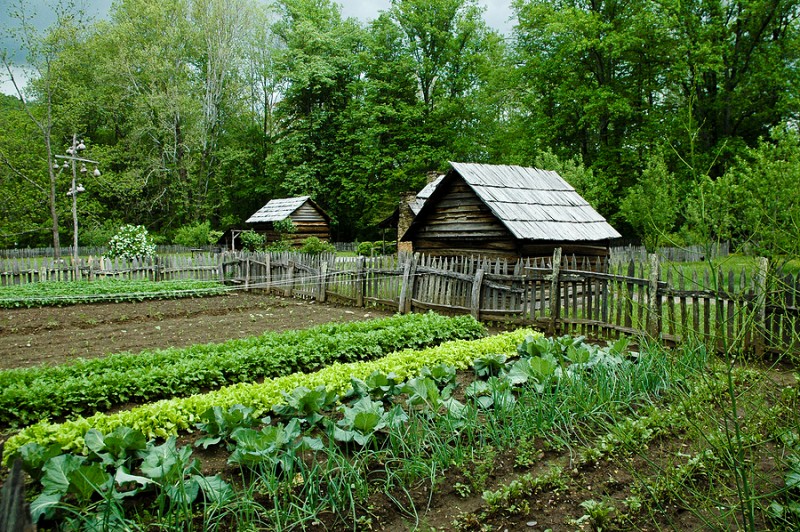
The foundation of any successful homestead is a willingness to learn and experiment. DIY projects for modern homesteaders can range from simple weekend tasks to more complex undertakings that require planning and ongoing maintenance. Start by assessing your available space, resources, and goals. Even small steps, like building a raised garden bed or setting up a rainwater collection system, can make a significant difference.
Many beginners find it helpful to create a seasonal plan. Using a modern homesteading gardening calendar can help you organize planting, harvesting, and maintenance tasks throughout the year.
Essential Garden and Food Production Projects
Growing your own food is at the heart of the homesteading movement. Here are some practical projects to boost your productivity and sustainability:
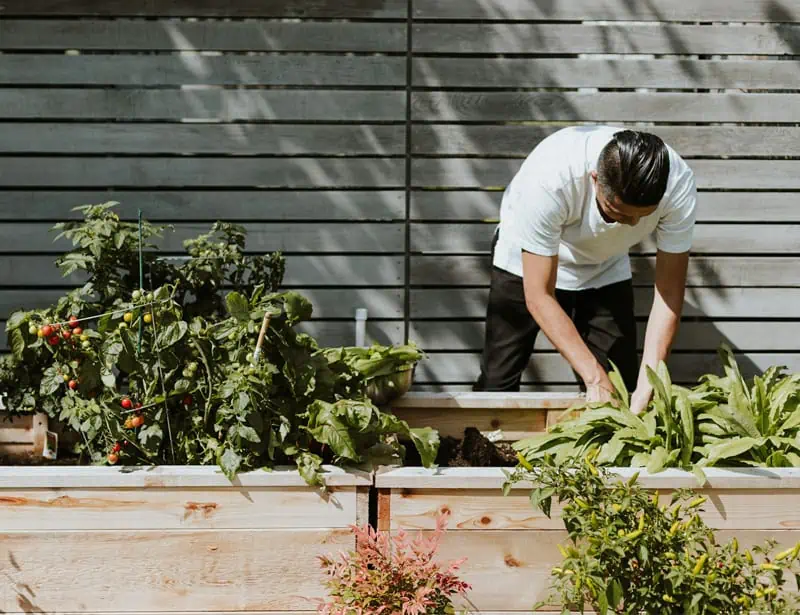
- Raised Garden Beds: Building raised beds improves soil drainage, reduces weeds, and makes gardening more accessible. Use untreated lumber, bricks, or recycled materials for your frames.
- Composting Systems: Transform kitchen scraps and yard waste into rich compost. Simple bins or tumblers can be made from pallets, wire mesh, or repurposed barrels.
- Vertical Gardens: Maximize limited space by growing herbs, greens, or strawberries in vertical planters or wall-mounted pockets.
- Chicken Coops and Runs: Raising backyard poultry provides fresh eggs and natural pest control. Build a secure coop and run using salvaged wood and wire fencing.
- Hydroponics and Aquaponics: For those interested in soil-free gardening, setting up a basic hydroponic or aquaponic system is a rewarding project. For a step-by-step introduction, check out the modern homesteading hydroponics basics guide or learn about modern homesteading aquaponics guide options.
Water Conservation and Management Solutions
Sustainable water use is a core principle for anyone pursuing modern homesteading DIY projects. Collecting and reusing water not only saves money but also reduces your environmental impact. Consider these practical ideas:
- Rainwater Harvesting: Install gutters and barrels to capture rainwater from your roof. This water can be used for irrigation, livestock, or even household use with proper filtration. For a detailed walkthrough, refer to the modern homesteading rainwater harvesting guide.
- Greywater Systems: Divert water from sinks, showers, and laundry to irrigate gardens or landscape plants. Simple systems can be built with basic plumbing supplies.
- Drip Irrigation: Setting up a drip system conserves water and delivers moisture directly to plant roots, reducing evaporation and runoff.
Energy-Efficient and Off-Grid Upgrades
Reducing reliance on external utilities is a major goal for many homesteaders. These DIY projects for self-sufficiency can help you save on energy costs and increase your resilience:
- Solar Power Installations: Even a small solar panel setup can provide electricity for lighting, charging devices, or powering a shed.
- Wood-Burning Stoves: Installing a wood stove offers a renewable heat source and can be used for cooking during power outages.
- Insulation and Weatherproofing: Simple upgrades like adding insulation, sealing drafts, and installing energy-efficient windows can dramatically reduce heating and cooling needs.

Frugal Living and Resourceful Skills
One of the most rewarding aspects of homesteading is learning to do more with less. Adopting a frugal mindset and building practical skills can help you stretch your budget and reduce waste. Here are a few ideas:
- Food Preservation: Canning, dehydrating, fermenting, and freezing allow you to enjoy homegrown produce year-round.
- Homemade Cleaners and Personal Care: Create non-toxic cleaning products and toiletries using simple ingredients like vinegar, baking soda, and essential oils.
- Repurposing and Upcycling: Turn old furniture, pallets, or containers into useful items for your home and garden.
- Basic Carpentry and Repairs: Learning to fix, build, or maintain structures saves money and increases your independence.
Learning from the Homesteading Community
Connecting with other enthusiasts is invaluable for sharing knowledge, troubleshooting, and finding inspiration. Online forums, local workshops, and social media groups are great places to ask questions and exchange ideas. For a comprehensive overview of contemporary practices, visit this in-depth resource on modern homesteading.
As you gain experience, consider documenting your own projects and sharing them with others. The collective wisdom of the homesteading community continues to grow as more people contribute their successes and lessons learned.
Frequently Asked Questions
What are the easiest modern homesteading DIY projects for beginners?
Some of the simplest projects to start with include building raised garden beds, setting up a compost bin, and installing a rain barrel for water collection. These tasks require minimal investment and provide immediate benefits for your garden and household.
How much space do I need to start homesteading projects?
You can begin with whatever space you have available. Many projects, such as container gardening, vertical planters, and small-scale composting, work well even in urban or suburban settings. Larger projects like chicken coops or extensive gardens may require more land, but creativity and efficient use of space can make a big difference.
Are there resources to help plan my homesteading year?
Yes, using a gardening calendar tailored to your climate and goals is very helpful. You can find region-specific guides and templates, such as the modern homesteading gardening calendar, to help you organize planting, harvesting, and maintenance tasks throughout the seasons.