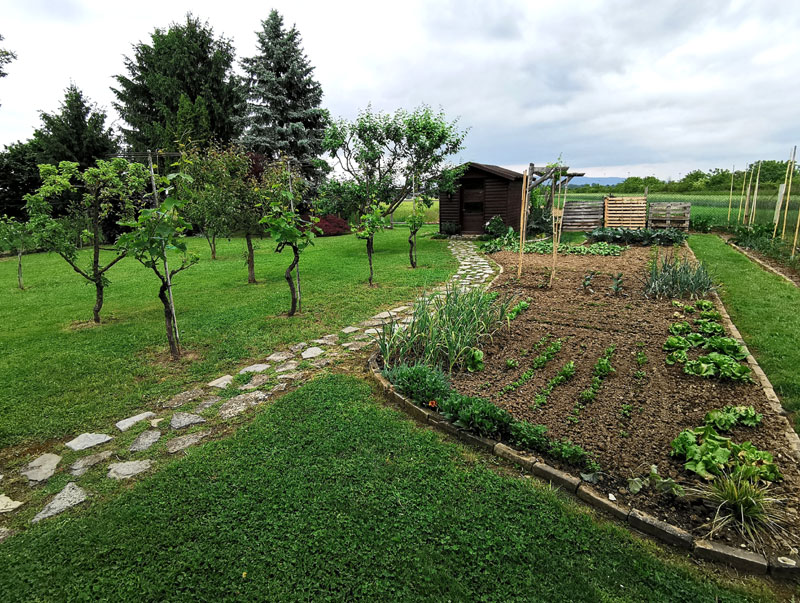
Embracing modern homesteading aquaponics combines age-old self-sufficiency with innovative, sustainable food production. By integrating aquaculture (raising fish) and hydroponics (growing plants without soil), aquaponics systems create a closed-loop ecosystem that maximizes resource efficiency. This approach is gaining popularity among those seeking to grow their own food, reduce waste, and live more sustainably—whether on rural acreage or in suburban backyards.
If you’re already exploring topics like modern homesteading rainwater harvesting guide, adding aquaponics to your homestead can further boost your self-reliance. This article breaks down the essentials of aquaponics for today’s homesteader, from system basics and setup tips to troubleshooting and long-term success.
Understanding Aquaponics in a Homestead Setting
At its core, aquaponics is a symbiotic system where fish and plants support each other. Fish waste provides nutrients for plant growth, while plants filter and clean the water for the fish. This cycle reduces the need for chemical fertilizers and minimizes water usage, making it an ideal fit for modern homesteading aquaponics enthusiasts who value efficiency and environmental stewardship.
Unlike traditional gardening, aquaponics can be set up in a variety of spaces—from greenhouses and basements to patios and even indoors. The flexibility of these systems means you can tailor them to your available space and desired production scale.
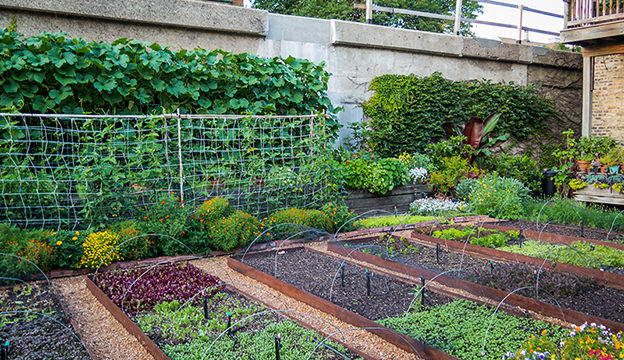
Key Components of a Sustainable Aquaponics System
Setting up a functional aquaponics system involves several essential elements. Understanding each part’s role helps ensure a healthy, productive environment for both fish and plants.
- Fish Tank: This is where your aquatic animals live. Popular choices for beginners include tilapia, goldfish, or catfish due to their hardiness.
- Grow Beds: Plants are grown in beds filled with a soilless medium (like expanded clay pellets or gravel) that supports roots and provides surface area for beneficial bacteria.
- Water Pump: Circulates water between the fish tank and grow beds, ensuring nutrients are delivered and water remains oxygenated.
- Biofilter: Houses bacteria that convert fish waste (ammonia) into plant-usable nutrients (nitrates).
- Plumbing and Aeration: Pipes, tubing, and air stones keep water moving and oxygen levels stable.
Each component must be sized appropriately for your system’s scale. For small homesteads, a 50- to 100-gallon tank with one or two grow beds is a manageable starting point.
Benefits of Aquaponics for Modern Homesteaders
Integrating aquaponics into your homestead offers several advantages:
- Water Conservation: Aquaponics uses up to 90% less water than soil gardening, as water is continually recycled within the system.
- Year-Round Production: With a greenhouse or indoor setup, you can grow fresh produce and raise fish regardless of the season.
- No Chemical Fertilizers: The natural nutrient cycle eliminates the need for synthetic additives.
- Compact Footprint: Vertical and stacked designs allow for high yields in limited spaces.
- Educational Value: Aquaponics is a hands-on way to learn about biology, ecology, and sustainable food systems.
These benefits align closely with the values of those practicing modern homesteading aquaponics, making it a practical and rewarding addition to any property.
Planning and Building Your Aquaponics Setup
Before purchasing equipment, consider your goals, available space, and budget. Start small and expand as you gain experience. Here’s a step-by-step approach:
- Choose Your Location: Select a spot with access to electricity, water, and natural light. Greenhouses, garages, or patios are common choices.
- Select Fish and Plants: Hardy fish like tilapia or goldfish are ideal for beginners. Leafy greens, herbs, and tomatoes thrive in aquaponic systems.
- Assemble Components: Set up your tank, grow beds, pumps, and plumbing. Ensure all equipment is food-safe and easy to clean.
- Cycle the System: Establish beneficial bacteria before adding fish. This process, called “cycling,” can take several weeks and is crucial for water quality.
- Monitor and Adjust: Test water parameters regularly (ammonia, nitrite, nitrate, pH) and make adjustments as needed.
For more on planning your homestead’s growing season, see the modern homesteading gardening calendar.
Common Challenges and Troubleshooting Tips
Even well-designed aquaponics systems can face issues. Here are some typical challenges and solutions:
- Poor Plant Growth: Check for nutrient deficiencies, inadequate lighting, or incorrect pH. Adjust feeding and supplement with iron if needed.
- Fish Health Problems: Monitor water temperature and quality closely. Avoid overfeeding and quarantine new fish before adding them to the tank.
- Algae Overgrowth: Reduce direct sunlight on tanks and grow beds, and maintain good water circulation.
- Clogged Plumbing: Regularly inspect and clean pipes, pumps, and filters to prevent blockages.
Staying proactive with maintenance and monitoring helps ensure a smooth-running system and healthy harvests.
Integrating Aquaponics with Broader Homesteading Practices
Aquaponics is just one piece of a resilient homestead. Pairing it with other sustainable practices—like composting, rainwater harvesting, and soil improvement—creates a more robust and self-sufficient lifestyle. For example, you can use fish waste solids as compost or integrate your system with rainwater collection for added efficiency.
To deepen your understanding of sustainability, explore resources like the modern homesteading and sustainability guide.
For a broader perspective on contemporary self-sufficiency, check out this comprehensive overview of modern homesteading from a trusted source in the homesteading community.
Maintaining Your Aquaponics System for Long-Term Success
Consistent care is key to thriving aquaponics. Here’s how to keep your system healthy:
- Daily: Feed fish, check water flow, and observe plant and fish health.
- Weekly: Test water quality, clean filters, and inspect for pests or disease.
- Monthly: Deep clean tanks and grow beds, prune plants, and review overall system performance.
Documenting your maintenance routine and tracking changes helps you spot trends and address issues before they escalate. Over time, you’ll develop a rhythm that fits your homestead’s unique needs.
Frequently Asked Questions
What fish and plants are best for beginners in aquaponics?
Tilapia, goldfish, and catfish are popular choices for new aquaponics enthusiasts due to their resilience and adaptability. For plants, leafy greens like lettuce, kale, and herbs such as basil and mint thrive in these systems.
How much time does it take to maintain an aquaponics system?
Once established, most small-scale systems require 15–30 minutes of daily attention for feeding, observation, and basic checks. Weekly and monthly maintenance tasks add a bit more time but are manageable for most homesteaders.
Can aquaponics work in cold climates?
Yes, with proper insulation and, if needed, supplemental heating, aquaponics can operate year-round in colder regions. Greenhouses and indoor setups help maintain stable temperatures for both fish and plants.
Conclusion
Adopting aquaponics as part of your homesteading journey offers a practical, sustainable way to produce food and reduce your environmental impact. By starting small, learning as you go, and integrating this system with other self-sufficiency practices, you can enjoy fresh harvests and a deeper connection to your land. Whether you’re new to homesteading or looking to expand your skills, aquaponics is a rewarding step toward a more resilient lifestyle.