Embracing modern homesteading means finding practical, sustainable ways to live more independently. One of the most effective strategies for self-reliance is collecting and using rainwater. Harvesting rainwater not only reduces dependence on municipal supplies but also helps conserve a vital natural resource. For those looking to make their homestead more resilient and eco-friendly, understanding the basics of rainwater collection is essential.
This article explores the essentials of rainwater harvesting for today’s homesteaders, including system types, setup tips, legal considerations, and maintenance. For a broader perspective on sustainable living, you might also find value in this modern homesteading and sustainability resource.

Why Rainwater Harvesting Matters for Modern Homesteaders
Collecting rainwater is a cornerstone of sustainable homesteading. It allows you to make the most of natural rainfall, providing water for gardens, livestock, and even household use with proper treatment. In many regions, droughts and water restrictions are becoming more common, making it even more important to have a backup water source.
Beyond practical benefits, rainwater harvesting reduces your environmental footprint. By capturing and using rain, you help prevent runoff, reduce erosion, and minimize the strain on local water systems. This approach aligns perfectly with the principles of self-sufficiency and environmental stewardship that define modern homesteading.
Key Components of a Rainwater Collection System
Setting up a reliable rainwater harvesting system involves several main components. Each plays a vital role in ensuring that the water you collect is safe and usable for your intended purposes.
- Catchment Surface: Most often, this is your roof. Metal roofs are ideal because they shed water efficiently and are easy to keep clean.
- Gutters and Downspouts: These direct rainwater from the roof into storage tanks. Keep them free of debris for optimal performance.
- First-Flush Diverter: This device discards the initial runoff, which may contain contaminants from the roof.
- Storage Tanks or Barrels: Choose food-grade containers designed for potable water if you plan to use the water for drinking or cooking.
- Filtration and Treatment: Filters remove debris, while additional treatment (like UV or chemical disinfection) is needed for potable use.
- Distribution System: Pumps, hoses, or gravity-fed lines deliver water where you need it.
Planning Your Rainwater Harvesting Setup
Before installing a system, assess your water needs and local rainfall patterns. Calculate how much water you can realistically collect by multiplying your roof area (in square feet) by the average annual rainfall (in inches) and then by 0.623 (to convert to gallons).
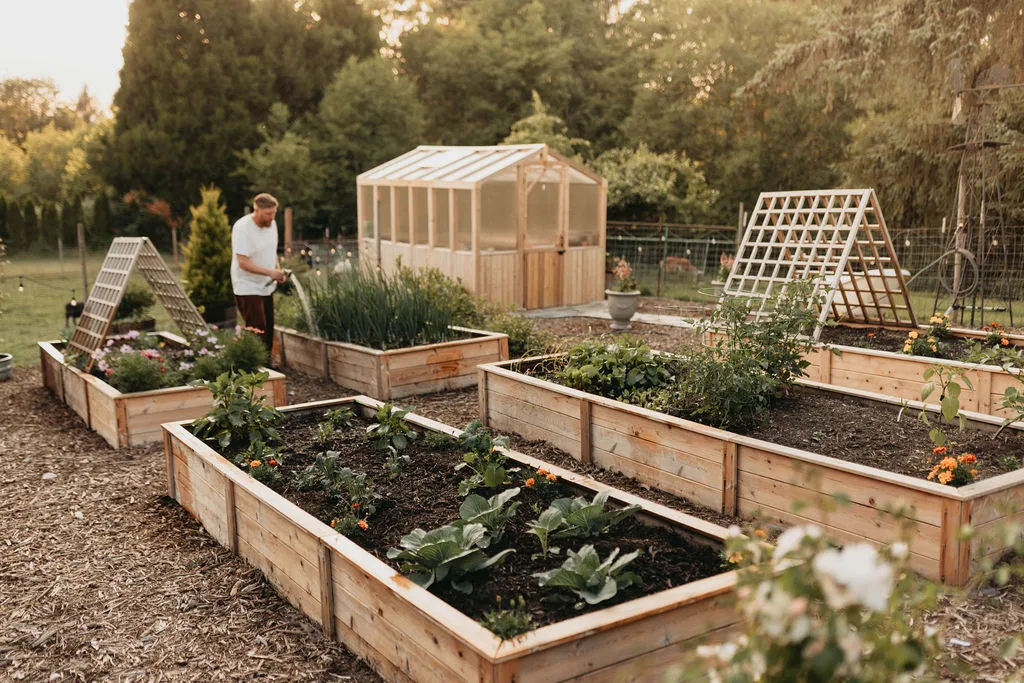
Consider what you’ll use the water for—gardening, livestock, or household use. This will determine the size and complexity of your system. For example, a simple barrel setup may suffice for watering a small garden, while a larger cistern and advanced filtration are needed for household supply.
It’s also important to check local regulations. Rainwater harvesting is legal in most places, but some areas have restrictions or guidelines. Always verify with your local authorities before proceeding.
Step-by-Step: Installing a Basic Rainwater Collection System
- Choose Your Catchment Area: Select a clean, sloped roof made of non-toxic materials.
- Install Gutters and Downspouts: Ensure they are securely attached and sloped toward the storage area.
- Add a First-Flush Diverter: This helps keep your storage water cleaner by diverting the initial, most contaminated runoff.
- Set Up Storage Tanks: Place barrels or cisterns on a stable, level surface. Elevating them can improve water pressure for gravity-fed systems.
- Connect Filtration: Use mesh screens to keep out debris and insects. For potable use, install additional filters and disinfection units.
- Distribute Water: Attach hoses or pipes to direct water to your garden, livestock troughs, or household plumbing as needed.
Maintaining Your Rainwater Harvesting System
Regular maintenance is crucial for safe and efficient operation. Clean gutters and screens frequently, especially after storms. Inspect tanks for leaks or algae growth. If you use the water for drinking, test it periodically for contaminants and replace filters as needed.
Keeping your system in good condition ensures a steady supply of clean water and extends the life of your investment.

Legal and Safety Considerations for Rainwater Use
Laws regarding rainwater harvesting vary by location. Some states encourage it, while others have restrictions on how much you can collect or how it can be used. Always research the regulations in your area before installing a system.
For potable use, water must be properly filtered and disinfected. Even for non-potable uses, like irrigation or livestock, keeping the system clean is important to prevent disease and contamination.
Integrating Rainwater Harvesting with Other Homesteading Practices
Collecting rainwater is just one part of a holistic approach to self-reliant living. Pairing your system with other sustainable practices—such as modern homesteading meal planning tips or chicken care on the homestead—can help you maximize efficiency and reduce waste.
For more context on the broader lifestyle, this introduction to homesteading explains the philosophy and benefits of this approach.
Common Challenges and Troubleshooting Tips
Even well-designed systems can encounter problems. Here are some common issues and solutions:
- Low Water Yield: Check for leaks, clogs, or undersized catchment areas. Clean gutters and expand storage if needed.
- Algae or Mosquitoes: Use opaque tanks, keep lids sealed, and add screens to prevent insect entry.
- Contaminated Water: Regularly clean all components and use appropriate filtration and disinfection for potable uses.
- Freezing Temperatures: Insulate pipes and tanks or drain the system before winter to prevent damage.
Frequently Asked Questions
How much rainwater can I collect from my roof?
The amount depends on your roof size and local rainfall. As a rule of thumb, every 1,000 square feet of roof collects about 623 gallons per inch of rain. Multiply your roof area by annual rainfall and 0.623 to estimate your yearly harvest.
Is rainwater safe to drink?
Rainwater can be made safe for drinking with proper filtration and disinfection. Always use food-grade storage and regularly test water quality if you plan to use it for potable purposes.
Do I need a permit to install a rainwater collection system?
Regulations vary by state and municipality. Some areas require permits, while others have few restrictions. Always check with your local authorities before installing a system to ensure compliance.
Can I use rainwater for my livestock?
Yes, rainwater is suitable for livestock if stored and handled properly. Keep tanks clean and ensure water is free from contaminants to protect animal health.
Conclusion
Implementing a rainwater collection system is a practical step toward greater independence and sustainability. With careful planning, regular maintenance, and attention to local regulations, you can enjoy a reliable, eco-friendly water source for your homestead. Whether you’re just starting out or looking to upgrade your setup, integrating rainwater harvesting with other self-sufficient practices will help you build a more resilient and rewarding homesteading lifestyle.