Building a thriving homestead is about more than self-sufficiency—it’s about creating connections, sharing resources, and fostering a sense of belonging. As more people embrace sustainable living, the need for strong, supportive communities has never been greater. Whether you’re just starting out or looking to deepen your local ties, exploring modern homesteading community building ideas can help you create a network that supports both individual and collective growth.
In this guide, you’ll discover practical strategies for bringing people together, sharing knowledge, and creating a resilient, resourceful environment. From organizing skill-sharing events to developing shared spaces, these approaches are designed to strengthen bonds and make homesteading more rewarding for everyone involved.
For those interested in a comprehensive approach to sustainable living, the modern homesteading and sustainability resource offers valuable insights into eco-friendly practices and long-term planning.
Why Community Matters in Modern Homesteading
The journey toward self-reliance is often imagined as a solitary path, but in reality, collaboration is at the heart of successful homesteading. By building a network of like-minded individuals, you gain access to a wealth of experience, shared labor, and emotional support. Communities can pool resources, trade goods, and help each other navigate challenges, making the homesteading lifestyle more accessible and resilient.
In today’s world, where many people are returning to the land or starting small-scale farms, the value of a strong, interconnected group cannot be overstated. Modern approaches to community building blend traditional neighborly support with new tools and technologies, creating opportunities for both in-person and virtual collaboration.
Key Principles for Building Homesteading Connections
Effective community building relies on a few core principles. These guidelines can help you foster trust, encourage participation, and create a welcoming atmosphere for all members:
- Inclusivity: Welcome newcomers and value diverse perspectives. Every member brings unique skills and experiences.
- Transparency: Communicate openly about goals, challenges, and expectations. This builds trust and prevents misunderstandings.
- Reciprocity: Encourage a culture of giving and receiving. Whether it’s sharing seeds, tools, or advice, mutual support is essential.
- Adaptability: Be open to new ideas and flexible in your approach. Communities thrive when they can evolve together.
Practical Modern Homesteading Community Building Ideas
There are many ways to bring people together and create a vibrant homesteading network. Here are some proven strategies and creative concepts to consider:
Organize Skill-Sharing Events
Hosting workshops or classes is an excellent way to exchange knowledge and build relationships. Topics might include gardening, food preservation, animal husbandry, or natural building techniques. These gatherings can be held in person or online, making them accessible to a wider audience.
Consider rotating hosts so that different members can showcase their expertise. This approach not only strengthens bonds but also helps everyone learn new skills that support self-sufficiency.
Develop Shared Resources and Spaces
Pooling resources can make homesteading more affordable and efficient. Community tool libraries, seed banks, and shared gardens are just a few examples. By working together, members can access equipment or materials that might be too costly individually.
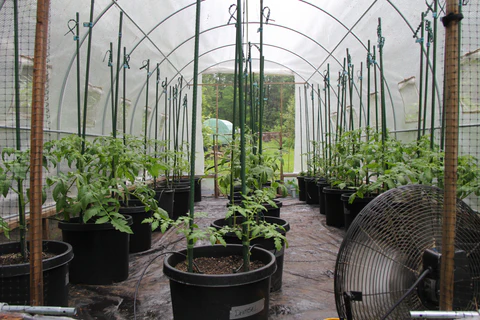
Shared spaces, such as community kitchens or greenhouses, encourage collaboration and provide opportunities for group projects. These initiatives foster a sense of ownership and pride while reducing individual workloads.
Start a Local Trading Network
Bartering goods and services is a time-honored tradition among homesteaders. Setting up a regular swap meet or online exchange allows members to trade surplus produce, handmade items, or labor. This not only reduces waste but also strengthens economic resilience within the group.
Digital platforms and social media groups can help coordinate trades and keep everyone informed about available resources.
Host Seasonal Gatherings and Celebrations
Marking the changing seasons with communal meals, harvest festivals, or work parties brings people together and reinforces shared values. These events provide a chance to relax, celebrate achievements, and welcome new members.
Seasonal gatherings can also serve as planning sessions for upcoming projects or as opportunities to discuss challenges and brainstorm solutions.
Leverage Online Tools for Connection
In addition to face-to-face interactions, digital tools can help maintain strong ties, especially for those living in remote areas. Private forums, group chats, and video calls make it easy to share updates, ask questions, and organize events.
For more insights on digital and modern approaches, the introduction to modern homesteading podcast offers practical advice and real-world examples from experienced homesteaders.
Overcoming Common Challenges in Community Building
Even the most enthusiastic groups can face obstacles. Differences in opinion, time constraints, and resource limitations are common. Addressing these challenges openly and proactively is key to maintaining a healthy, supportive environment.
- Set Clear Expectations: Outline roles, responsibilities, and decision-making processes early on.
- Encourage Open Dialogue: Create space for honest conversations about concerns or conflicts.
- Celebrate Successes: Recognize achievements, both big and small, to keep morale high.
- Stay Flexible: Be willing to adjust plans as circumstances change or new opportunities arise.
For those balancing multiple responsibilities, these modern homesteading time management tips can help you stay organized and engaged within your community.
Expanding Your Network Beyond the Local Area
While local connections are invaluable, reaching out to regional or even global networks can provide fresh perspectives and resources. Online forums, social media groups, and conferences connect homesteaders from diverse backgrounds, allowing for the exchange of ideas and support.
Participating in broader networks can also open doors to collaborative projects, bulk purchasing opportunities, and advocacy efforts that benefit the entire homesteading movement.
Frequently Asked Questions
How can I find other homesteaders in my area?
Start by attending local farmers’ markets, gardening clubs, or sustainability workshops. Many communities also have online groups or forums dedicated to homesteading. Reaching out through social media or local bulletin boards can help you connect with others nearby.
What are some effective ways to share resources within a homesteading group?
Creating a tool library, organizing seed swaps, and setting up a shared calendar for group workdays are all effective strategies. Regular communication and clear guidelines ensure that resources are used fairly and efficiently.
How do I handle disagreements or conflicts in a homesteading community?
Open, respectful communication is essential. Establishing ground rules for discussions and decision-making can help prevent misunderstandings. If conflicts arise, address them promptly and seek solutions that consider everyone’s needs.
Conclusion
Fostering a supportive network is one of the most rewarding aspects of sustainable living. By implementing these modern homesteading community building ideas, you can create a space where knowledge, resources, and encouragement flow freely. Whether through skill-sharing, resource pooling, or digital collaboration, strong communities make the journey toward self-reliance more enjoyable and achievable for all.
For more specialized advice, explore resources like the modern homesteading meal planning tips or the modern homesteading chicken care guide. These guides offer targeted strategies to enhance your homesteading experience and strengthen your community ties.