Embracing modern homesteading and sustainability is about more than just growing your own food or living off the grid. It’s a practical approach to creating a resilient lifestyle, whether you live in the countryside or a city apartment. By combining traditional skills with new technologies and eco-friendly practices, anyone can take steps toward greater self-sufficiency and a lighter environmental footprint.
This guide explores the core principles, essential skills, and actionable strategies for building a sustainable homestead in today’s world. You’ll find insights on gardening, resource management, and how to adapt these methods to your unique situation. For those looking to dive deeper into specific topics, such as modern homesteading meal planning tips, there are resources available to help you on your journey.
Core Principles of a Sustainable Homestead
At the heart of any sustainable living approach are a few guiding principles. These help shape decisions and daily practices, ensuring that your efforts are both effective and environmentally responsible.
- Resourcefulness: Making the most of what you have, repurposing materials, and reducing waste wherever possible.
- Self-Sufficiency: Growing your own food, generating energy, and developing skills that reduce reliance on outside systems.
- Regenerative Practices: Going beyond sustainability to actively improve the land, soil, and ecosystem health.
- Community Engagement: Sharing knowledge, resources, and support with neighbors and local networks.
Getting Started: Planning Your Homestead for Sustainability
Whether you have acres of land or just a small backyard, thoughtful planning is key. Start by assessing your available space, climate, and resources. Consider what you want to produce—vegetables, fruit, eggs, herbs—and how much time you can realistically dedicate.
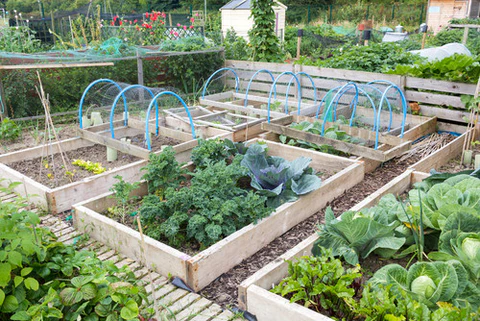
Begin with a simple layout for your garden beds, compost area, and any animal enclosures. If you’re working with limited space, vertical gardening or container setups can maximize your yield. For more tips on adapting to smaller areas, check out resources like the modern homesteading for small spaces guide.
Essential Skills for Modern Homesteaders
Building a resilient homestead requires a diverse set of skills. Here are some of the most valuable areas to focus on:
- Gardening and Food Production: Learn about soil health, crop rotation, seed saving, and organic pest control.
- Preserving the Harvest: Canning, fermenting, dehydrating, and freezing help you store food for year-round use.
- Animal Care: Chickens, goats, or bees can provide eggs, milk, and honey. Proper care ensures healthy animals and quality products. For more details, see the modern homesteading chicken care guide.
- Natural Remedies: Herbal medicine and home remedies can reduce dependence on store-bought products. Explore the modern homesteading herbal medicine guide for practical advice.
- DIY and Repairs: Basic carpentry, plumbing, and mechanical skills help keep your homestead running smoothly.
Water, Energy, and Waste Management
Sustainable living is closely tied to how you manage resources. Efficient systems for water, energy, and waste can reduce costs and environmental impact.
Water Conservation and Harvesting
Collecting rainwater, using drip irrigation, and mulching garden beds are effective ways to conserve water. Greywater systems can also be used to recycle household water for irrigation.
Renewable Energy Solutions
Solar panels, wind turbines, and micro-hydro systems are increasingly accessible for homesteaders. Even small-scale solar setups can power lights, charge devices, or run essential appliances.
Composting and Waste Reduction
Composting kitchen scraps and yard waste turns potential landfill material into valuable soil. Vermicomposting (using worms) is another efficient method, especially for smaller spaces.
Adapting to Your Environment and Resources
Every homestead is unique. Climate, soil type, and available resources will shape your approach. Those with limited means can still make significant progress by starting small and building skills over time. For inspiration, the modern homesteading with limited resources article offers practical strategies for getting started on a budget.

Urban dwellers can focus on balcony gardens, rooftop beekeeping, or community plots. Rural homesteaders might have more space for livestock or orchards. The key is to tailor your efforts to your environment and available time.
Connecting with the Homesteading Community
One of the most rewarding aspects of this lifestyle is connecting with others who share your values. Local gardening clubs, online forums, and workshops are great places to exchange knowledge and support. For a broader perspective on trends and innovations, the modern homesteading overview at LuminAID provides additional insights.
Benefits of Sustainable Homesteading Practices
Adopting these methods brings a range of benefits, both personal and environmental:
- Healthier Food: Homegrown produce is fresher and often more nutritious than store-bought options.
- Lower Environmental Impact: Reducing food miles, packaging waste, and chemical use helps protect the planet.
- Financial Savings: Producing your own food and energy can lower grocery and utility bills.
- Greater Resilience: Skills in food production, preservation, and repair increase your ability to adapt to challenges.
- Personal Fulfillment: Many find satisfaction and purpose in working with their hands and living in harmony with nature.
Frequently Asked Questions
What are the first steps to starting a sustainable homestead?
Begin by assessing your space, climate, and available resources. Start small with a garden or a few backyard chickens, and gradually add more elements as your skills grow. Planning and education are key—research local regulations and connect with experienced homesteaders for advice.
Can I practice modern homesteading in an urban environment?
Absolutely. Urban residents can grow food in containers, join community gardens, compost kitchen scraps, and even keep small livestock like rabbits or bees where permitted. The principles of resourcefulness and sustainability apply no matter where you live.
How do I make my homestead more eco-friendly?
Focus on reducing waste, conserving water, and using renewable energy sources. Composting, organic gardening, and choosing native plants all contribute to a healthier ecosystem. Regularly evaluate your practices and look for ways to minimize your environmental footprint.