
Raising chickens is a rewarding part of contemporary homesteading, offering fresh eggs, natural pest control, and a deeper connection to your land. Whether you’re just starting out or looking to refine your flock management, this comprehensive guide covers the essentials of caring for poultry in a modern homestead setting. From housing and nutrition to health and sustainability, you’ll find practical advice to help your chickens thrive and your homestead flourish.
For those interested in optimizing every aspect of their homestead, consider exploring modern homesteading homestead layout ideas to create an efficient and productive environment for both your flock and your family.
Getting Started With Backyard Chickens
Before bringing home your first chicks, it’s important to understand the basics of poultry care and how it fits into a modern homesteading lifestyle. Chickens are relatively low-maintenance, but their welfare depends on thoughtful planning and daily attention. Start by researching local ordinances, as some areas have restrictions on flock size or rooster ownership.
Choose breeds that suit your climate and goals—some are prolific egg layers, while others are valued for meat or temperament. Popular dual-purpose breeds like Rhode Island Reds and Plymouth Rocks are hardy and adaptable, making them ideal for beginners.
Essential Housing and Space Requirements
Providing a safe, comfortable home is the foundation of effective poultry management. A well-designed coop protects your birds from predators and harsh weather, while also making daily chores more manageable. Each chicken needs at least 2–3 square feet inside the coop and 8–10 square feet in an outdoor run.
.webp?width=900&height=450&name=Header_FreeRangevsChickenRunWhichisBestforHomesteading%20(1).webp)
- Ventilation: Good airflow reduces moisture and ammonia buildup, keeping your flock healthy.
- Predator-proofing: Use hardware cloth instead of chicken wire, and bury fencing at least 12 inches to deter digging animals.
- Nesting boxes: Provide one box for every 3–4 hens, lined with clean bedding for egg laying.
- Roosts: Chickens prefer to sleep off the ground; install sturdy perches at least 2 feet high.
For those with limited acreage, integrating poultry housing into your overall property design is key. Learn more about maximizing small spaces in the modern homesteading for small spaces resource.
Nutrition and Feeding for Healthy Flocks
A balanced diet is crucial for egg production, growth, and disease resistance. Commercial layer feed provides the right mix of protein, vitamins, and minerals for most backyard chickens. Supplement with kitchen scraps, garden greens, and occasional treats like mealworms for enrichment.
- Fresh water: Ensure clean water is always available, especially in hot or freezing weather.
- Calcium: Offer crushed oyster shells or eggshells to support strong eggshells.
- Grit: Chickens need insoluble grit (like small stones) to help digest grains and fibrous foods.
Avoid feeding salty, moldy, or spoiled foods, as these can harm your flock. Rotate feeding areas to prevent bare patches and reduce parasite buildup.
Daily and Seasonal Care Routines
Consistent routines keep your flock healthy and productive. Each day, check food and water, collect eggs, and observe your birds for signs of illness or injury. Clean the coop weekly, replacing soiled bedding and scrubbing waterers to prevent disease.

- Spring/Summer: Watch for overheating; provide shade and extra water. Allow supervised free-ranging when possible.
- Fall: Check for molting and adjust feed to support feather regrowth.
- Winter: Insulate the coop, minimize drafts, and use deep litter for warmth. Avoid supplemental light unless egg production is essential.
For those interested in integrating poultry care with other homesteading practices, see our modern homesteading meal planning tips for ideas on using fresh eggs and homegrown produce together.
Health, Biosecurity, and Common Issues
Preventing disease is easier than treating it. Practice good biosecurity by limiting visitors to your coop, quarantining new birds, and keeping wild birds away from feed and water. Regularly inspect your flock for parasites like mites and lice, and treat promptly if found.
- Vaccinations: Some hatcheries offer vaccinated chicks; consult your local extension office for recommendations.
- Signs of illness: Lethargy, loss of appetite, abnormal droppings, or respiratory symptoms warrant immediate attention.
- Record keeping: Track egg production, health issues, and treatments to spot trends and improve management.
Incorporating herbal remedies and natural approaches can complement conventional care. For more on this topic, visit our modern homesteading herbal medicine guide.
Sustainable Practices for Modern Poultry Keepers
Today’s homesteaders often prioritize sustainability alongside productivity. Composting chicken manure creates valuable fertilizer for gardens, while rotational grazing reduces pest pressure and improves soil health. Consider integrating your flock into a broader permaculture system for maximum benefit.
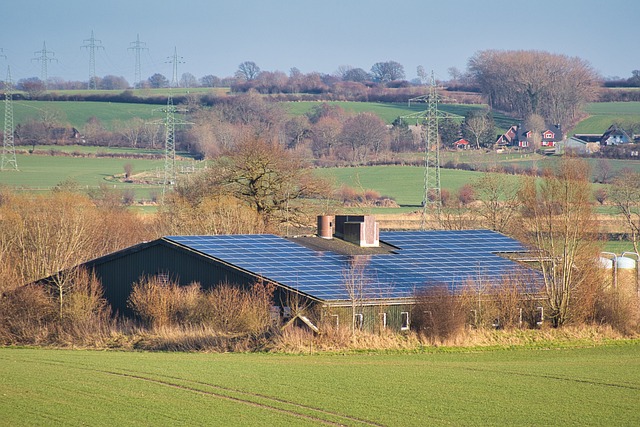
Solar-powered coop doors, rainwater collection, and upcycled materials for housing are just a few ways to reduce your environmental footprint. For those working with limited means, modern homesteading with limited resources offers practical strategies for getting started without a large investment.
For a broader perspective on starting your own homestead, check out this comprehensive modern homesteading guide that covers planning, budgeting, and long-term success.
Frequently Asked Questions
How many chickens should I start with on a small homestead?
For beginners, a flock of 4–6 hens is manageable and provides enough eggs for a small family. This size allows you to learn the basics of care without being overwhelmed.
What are the most common health problems in backyard chickens?
The most frequent issues include respiratory infections, external parasites (mites and lice), and egg-laying problems. Regular observation and prompt action are key to minimizing health risks.
Can I keep chickens if I have limited space?
Yes, many urban and suburban homesteaders successfully raise small flocks. Focus on efficient coop design and breeds that tolerate confinement. For more tips, see our advice on maximizing small spaces.