Embracing modern homesteading means blending traditional self-sufficiency with contemporary knowledge and resources. One of the most rewarding aspects of this lifestyle is cultivating and using herbal remedies at home. Whether you have a sprawling rural property or a compact urban garden, learning how to grow, harvest, and use medicinal plants empowers you to take charge of your family’s wellness. This guide explores practical steps, essential herbs, and safe practices for anyone interested in integrating herbal medicine into a modern homesteading routine.
If you’re just starting out or looking to optimize your space, consider exploring modern homesteading homestead layout ideas to make the most of your garden and herbal beds.
Getting Started with Homegrown Herbal Remedies
The foundation of any modern homesteading herbal medicine guide is understanding the basics of growing and using medicinal plants. Unlike conventional gardening, cultivating herbs for wellness requires attention to plant selection, soil quality, and harvesting techniques. Start by researching which herbs thrive in your climate and soil, and consider your family’s specific health needs.
Many homesteaders begin with a few versatile and easy-to-grow plants. Calendula, chamomile, peppermint, and echinacea are popular choices for beginners. These herbs not only offer a range of medicinal benefits but also adapt well to various growing conditions, from raised beds to containers.
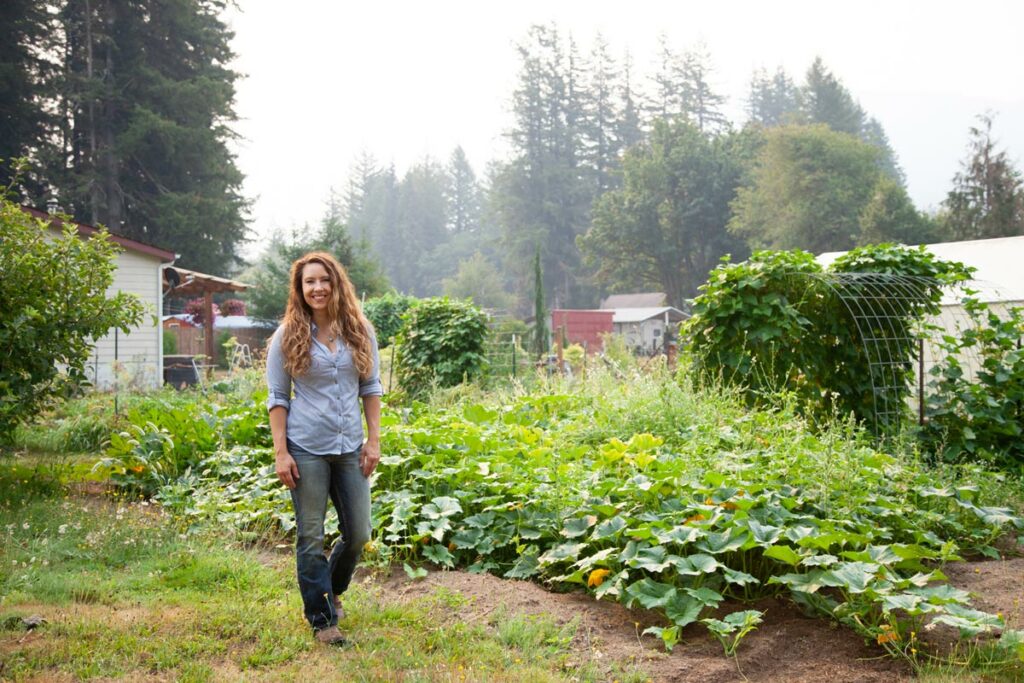
Essential Herbs for the Modern Homestead
Selecting the right plants is crucial for building a reliable home apothecary. Here are some of the most useful herbs for a contemporary homesteader:
- Lavender: Known for its calming properties, lavender can be used in teas, salves, and tinctures to support relaxation and sleep.
- Yarrow: This resilient herb is valued for its ability to support wound healing and reduce inflammation.
- Lemon Balm: A gentle remedy for stress and digestive discomfort, lemon balm is easy to grow and harvest.
- Elderberry: Widely used for immune support, elderberries can be made into syrups and teas.
- Comfrey: Traditionally used for bruises and sprains, comfrey is a staple in many homestead gardens.
When planning your herbal beds, think about how each plant can be used throughout the year. Some, like peppermint, can be harvested multiple times in a season, while others, such as echinacea, require patience before their roots are ready for use.
Growing and Harvesting Medicinal Plants in Small Spaces
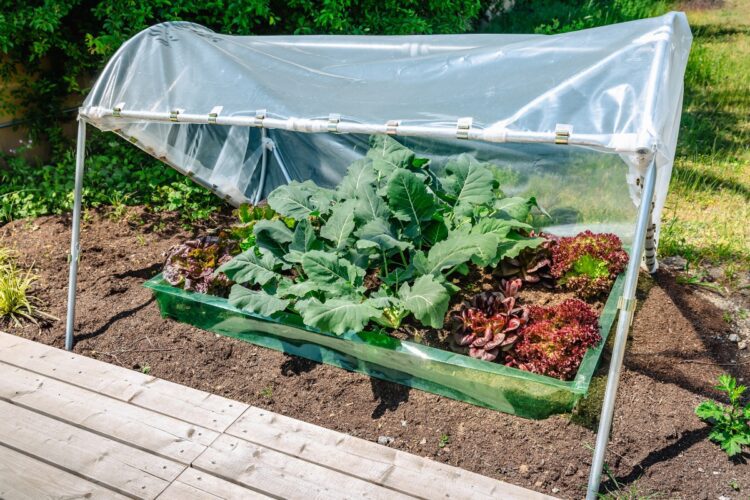
Not every homesteader has acres of land. Fortunately, herbal medicine can thrive in urban and suburban settings as well. Raised beds, vertical gardens, and container planting all offer practical solutions for maximizing limited space. For more inspiration, check out this resource on modern homesteading for small spaces.
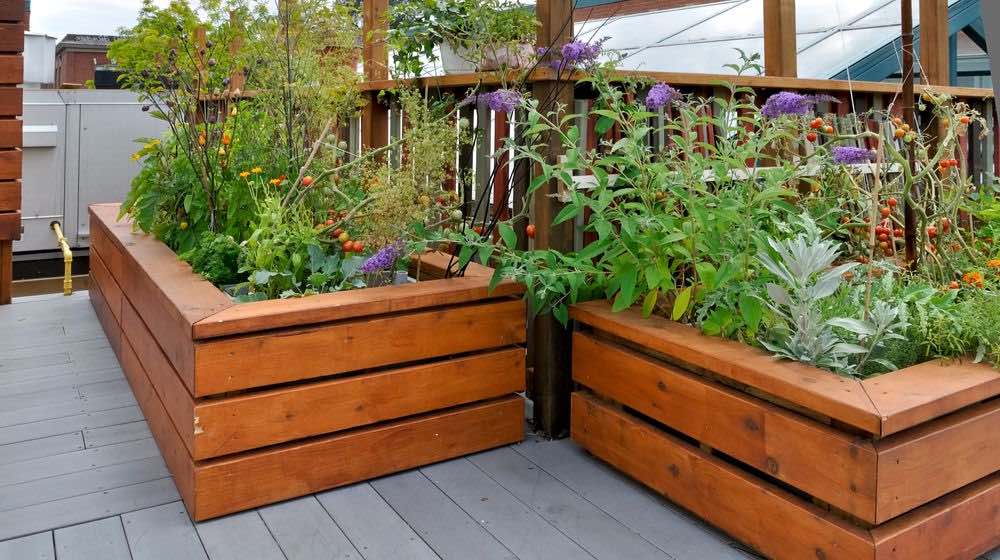
When space is at a premium, focus on compact, high-yield herbs. Use vertical planters for trailing plants like mint or oregano, and choose dwarf varieties when possible. Regular harvesting encourages growth and ensures a steady supply of fresh material for your home remedies.
Safe Preparation and Use of Herbal Remedies
Making your own herbal products is rewarding, but safety should always come first. Always positively identify plants before use, and avoid harvesting from areas exposed to pesticides or pollution. When preparing teas, tinctures, or salves, follow trusted recipes and guidelines.
Drying herbs is one of the simplest preservation methods. Hang bunches upside down in a well-ventilated space, or use a dehydrator for faster results. Store dried herbs in airtight containers away from light and moisture to maintain potency.
If you’re new to herbal medicine, start with mild remedies and observe how your body responds. Consult with a qualified herbalist or healthcare provider if you have underlying health conditions or take prescription medications.
Integrating Herbal Practices into Daily Homestead Life
Incorporating herbal medicine into your daily routine doesn’t have to be complicated. Add fresh herbs to meals, brew soothing teas, or create simple salves for minor cuts and scrapes. Over time, you’ll develop a deeper understanding of each plant’s unique properties and how they fit into your family’s wellness plan.
Composting spent plant material is another way to close the loop and enrich your soil. For tips on sustainable gardening, explore this modern homesteading composting guide.
Modern Homesteading vs. Traditional Practices
Today’s homesteaders benefit from a wealth of information and resources that weren’t available to previous generations. While the core principles of self-reliance and natural wellness remain the same, modern approaches often incorporate scientific research and innovative gardening techniques. For a deeper look at how these approaches differ, see this comparison of modern and traditional homesteading.
By blending time-tested wisdom with new ideas, you can create a resilient and adaptable home apothecary that meets your family’s needs in any setting.
Frequently Asked Questions
What are the best beginner herbs for a home apothecary?
Some of the easiest and most versatile herbs for beginners include calendula, chamomile, peppermint, and lavender. These plants are simple to grow, harvest, and use in a variety of remedies.
How can I grow medicinal herbs if I have limited space?
Raised beds, containers, and vertical gardens are excellent solutions for small spaces. Choose compact or trailing varieties and harvest regularly to maximize your yield.
Is it safe to make my own herbal remedies?
Yes, as long as you properly identify plants, use safe harvesting practices, and follow reliable recipes. If you have health conditions or take medications, consult a healthcare provider before using new herbs.