
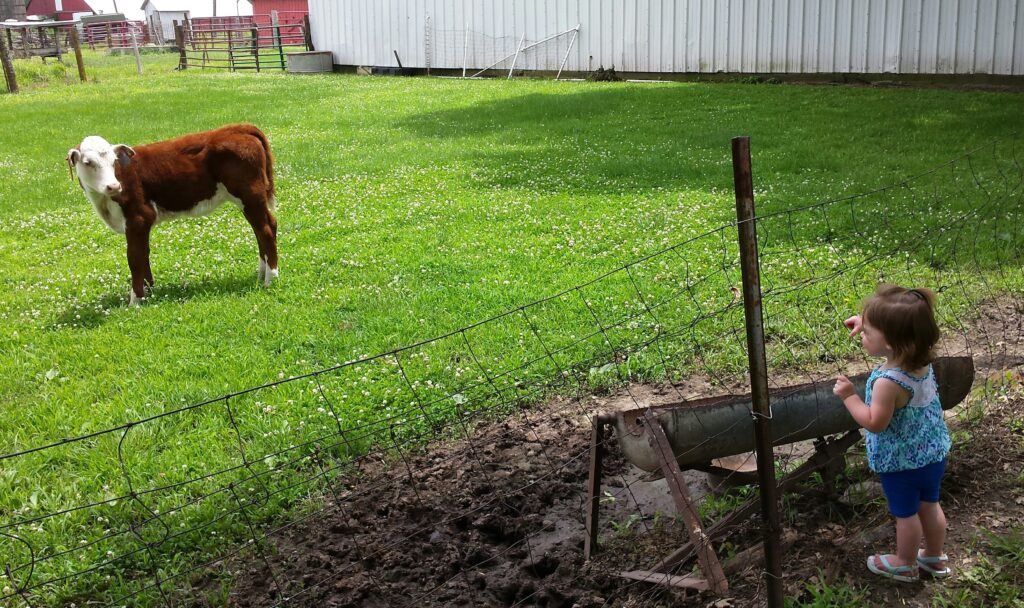
Embracing a self-sufficient lifestyle is more accessible than ever, thanks to the rise of backyard farming and contemporary homesteading techniques. Whether you have a sprawling yard or a modest suburban plot, integrating sustainable practices into your daily routine can yield fresh produce, reduce grocery bills, and foster a deeper connection to your food. This article shares practical advice and proven strategies for anyone looking to transform their outdoor space into a productive homestead.
For those seeking a deeper dive into cultivating a thriving garden, the modern homesteading gardening guide offers step-by-step advice tailored to both beginners and experienced growers.
Getting Started with Sustainable Backyard Farming
The foundation of any successful homestead is a clear plan. Begin by assessing your available space, sunlight, and soil quality. Even small yards can support a surprising amount of food production with the right approach. Consider these initial steps:
- Map your space: Sketch your yard and identify areas with the most sunlight, best drainage, and easy access to water.
- Test your soil: Healthy soil is the backbone of productive gardens. Use a simple test kit to check pH and nutrient levels.
- Set realistic goals: Start with a few crops or livestock suited to your climate and experience level, then expand as you gain confidence.
Many modern homesteaders find inspiration and practical guidance from resources like the comprehensive overview of contemporary homesteading practices, which covers everything from soil health to animal care.
Essential Tools and Supplies for the Modern Homestead
Investing in the right equipment can make backyard farming more efficient and enjoyable. While you don’t need every gadget on the market, a few essentials will help you get started:
- Hand tools: A sturdy shovel, hoe, rake, and hand trowel are indispensable for planting and maintenance.
- Compost bin: Turning kitchen scraps and yard waste into nutrient-rich compost supports healthy plant growth.
- Watering system: Drip irrigation or soaker hoses conserve water and deliver moisture directly to roots.
- Protective gear: Gloves, hats, and durable footwear keep you comfortable and safe during outdoor tasks.
Backyard Livestock: Integrating Animals into Your Homestead
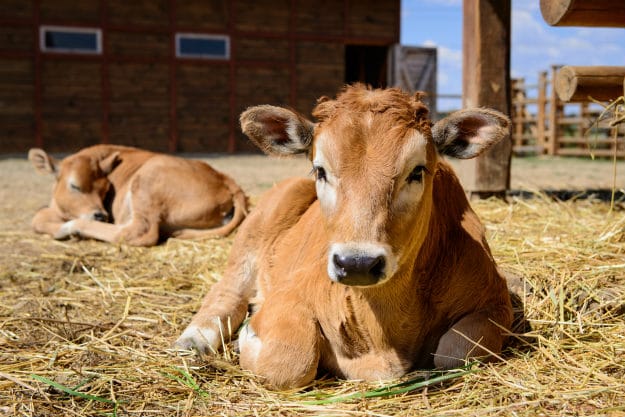
Raising animals is a key aspect of many backyard farming endeavors. Chickens, rabbits, and even small goats can thrive in suburban settings, providing eggs, meat, and natural fertilizer. When considering livestock, keep these points in mind:
- Check local regulations: Some municipalities have restrictions on animal types and numbers.
- Provide shelter: Secure coops or hutches protect animals from predators and harsh weather.
- Rotate grazing: If you have enough space, rotating animals through different areas prevents overgrazing and supports soil health.
Vegetable Gardens: Maximizing Yields in Small Spaces
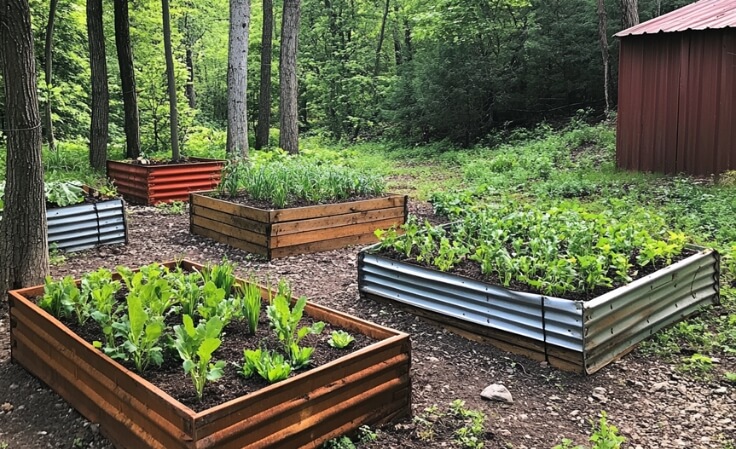
One of the most rewarding aspects of backyard farming is harvesting your own vegetables. Raised beds, container gardens, and vertical growing systems allow you to make the most of limited space. Here are some tips for boosting productivity:
- Choose high-yield crops: Tomatoes, lettuce, beans, and herbs are ideal for beginners and provide continuous harvests.
- Practice succession planting: Stagger plantings so you always have something ready to harvest.
- Use companion planting: Pairing certain plants together can deter pests and improve growth.
- Mulch generously: Mulching retains moisture, suppresses weeds, and enriches the soil as it breaks down.
Water Conservation and Eco-Friendly Practices
Sustainable backyard farming goes hand-in-hand with responsible resource management. Adopting water-saving techniques and eco-friendly habits not only benefits your crops but also reduces your environmental impact.
- Collect rainwater: Install barrels to capture runoff from roofs for use during dry spells.
- Mulch and ground cover: These help retain soil moisture and prevent erosion.
- Natural pest control: Encourage beneficial insects and use organic solutions to manage pests.
- Rotate crops: Changing planting locations each season keeps soil healthy and reduces disease risk.
Building Community and Sharing Knowledge
Connecting with other homesteaders can accelerate your learning and provide valuable support. Local gardening clubs, online forums, and social media groups are excellent places to share successes, troubleshoot challenges, and exchange seeds or resources.
For families interested in incorporating these principles into daily routines, the modern homesteading guide for families offers practical advice tailored to all ages.
Common Challenges and How to Overcome Them
Every backyard farmer encounters obstacles, from unpredictable weather to pest outbreaks. The key is to stay adaptable and keep learning. Here are some common issues and solutions:
- Poor soil: Amend with compost and organic matter regularly to boost fertility.
- Limited sunlight: Grow shade-tolerant crops or use reflective surfaces to maximize available light.
- Time constraints: Start small and automate tasks like watering to save time.
- Pests and diseases: Monitor plants closely and use integrated pest management strategies.
Expanding Your Skills: Next Steps for Aspiring Homesteaders
As your confidence grows, consider diversifying your homestead with fruit trees, beekeeping, or even aquaponics. Document your progress, experiment with new crops, and continue seeking out resources to refine your approach. The journey toward greater self-reliance is ongoing, and each season brings new opportunities to learn and improve.
For more inspiration and real-life examples, explore the modern homesteading examples to see how others have successfully transformed their spaces.
Frequently Asked Questions
What are the best crops for beginners starting a backyard farm?
Leafy greens like lettuce and spinach, root vegetables such as carrots and radishes, and herbs like basil and parsley are excellent choices for those new to home food production. These plants are generally easy to grow, mature quickly, and require minimal maintenance.
How much space do I need to raise chickens or other small livestock?
Chickens can thrive in as little as 2–3 square feet per bird inside a coop, with additional outdoor space for roaming. Always check local ordinances for specific requirements and ensure your animals have adequate shelter, food, and water.
How can I make my backyard farm more sustainable?
Focus on composting, conserving water, rotating crops, and using organic pest control methods. Incorporating native plants and encouraging pollinators also supports a healthy, resilient ecosystem.
For more practical advice on integrating these habits into your daily routine, check out the modern homesteading daily routine guide.