Embracing modern homesteading practices is about blending traditional self-sufficiency with today’s technology and resources. Whether you live in a rural area or a suburban neighborhood, these approaches can help you live more sustainably, reduce costs, and reconnect with essential skills. From growing your own food to generating renewable energy, adopting these methods can transform daily routines and foster a more intentional lifestyle.
Many people are drawn to this way of living for its focus on sustainability, resilience, and personal empowerment. By integrating practical skills and eco-friendly habits, you can create a home environment that supports both your well-being and the planet. For more inspiration and real-life stories, explore these modern homesteading examples from others who have made the shift.
What Sets Contemporary Homesteading Apart?
Today’s approach to self-reliant living is distinct from the past. While traditional homesteaders relied solely on manual labor and basic tools, modern methods incorporate technology, community resources, and flexible mindsets. This evolution makes it possible for people in various settings—including urban and suburban environments—to adopt homesteading values without needing acres of land.
If you’re curious about the differences between old and new approaches, the article on modern homesteading vs traditional homesteading offers a detailed comparison.
Core Elements of Modern Homesteading Practices
At its heart, this lifestyle is about making conscious choices that support sustainability and self-reliance. Here are some of the most common elements found in today’s homesteads:
- Home food production (gardening, fruit trees, herbs)
- Raising small livestock (chickens, rabbits, bees)
- Preserving food (canning, fermenting, dehydrating)
- Renewable energy (solar panels, wind turbines)
- Water conservation (rainwater harvesting, greywater systems)
- DIY skills (basic carpentry, repairs, homemade cleaning products)
- Waste reduction (composting, recycling, upcycling)
Growing Your Own Food
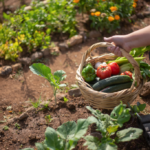
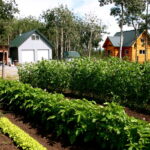
One of the most rewarding aspects of this lifestyle is producing your own fruits, vegetables, and herbs. Even with limited space, container gardens and vertical planters can yield impressive harvests. Raised beds, companion planting, and organic methods help maximize productivity while minimizing chemical use.

For those interested in expanding their skills, the modern homesteading ideas guide offers creative ways to get started, from backyard greenhouses to edible landscaping.
Raising Animals for Eggs, Meat, and More
Keeping chickens, rabbits, or bees is a practical way to supplement your food supply and improve your property’s ecosystem. Chickens are popular for their eggs and natural pest control, while bees support pollination and provide honey. Many homesteaders choose breeds and setups that fit their available space and local regulations.
.webp?width=900&height=450&name=Header_FreeRangevsChickenRunWhichisBestforHomesteading%20(1).webp)
When raising livestock, it’s important to research local ordinances and best practices for humane care. Rotational grazing, predator-proof enclosures, and natural feed options all contribute to healthier animals and better yields.
Integrating Technology with Self-Sufficiency
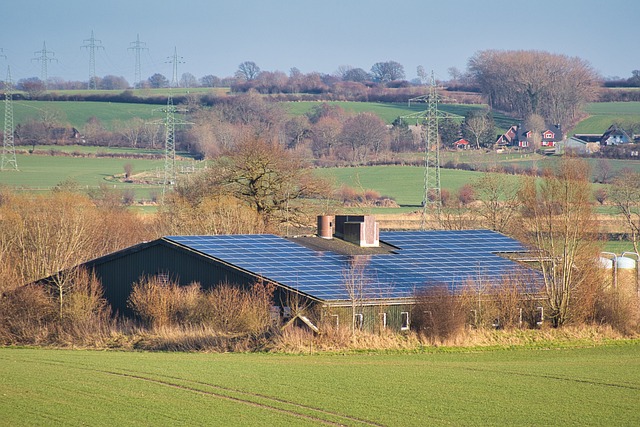
Unlike the past, today’s homesteaders can take advantage of modern tools and resources. Solar panels, smart irrigation systems, and online communities make it easier to manage a sustainable home. These technologies help reduce utility bills, automate repetitive tasks, and connect with others for advice and support.
Renewable energy is a cornerstone of many modern homesteads. Solar panels and small wind turbines can power everything from lights to appliances, reducing reliance on the grid. For a comprehensive overview of the advantages, check out the article on the benefits of modern homesteading.
Water Conservation and Management
Sustainable living often includes strategies to conserve and reuse water. Rainwater harvesting systems collect runoff for garden use, while greywater systems recycle water from sinks and showers. Mulching, drip irrigation, and drought-tolerant plants further minimize water waste.
Reducing Waste and Closing the Loop
Composting kitchen scraps and yard waste is a simple way to create nutrient-rich soil and reduce landfill contributions. Many homesteaders also practice upcycling—turning old materials into new projects—and prioritize buying in bulk or using reusable containers to cut down on packaging.
Building Community and Sharing Knowledge
While self-reliance is a key theme, community connections are equally important. Sharing seeds, tools, and expertise with neighbors strengthens local resilience. Online forums, local workshops, and homesteading groups provide valuable support and learning opportunities.
If you’re just starting out, the step-by-step guide to starting a homestead offers practical advice for beginners, including how to set realistic goals and avoid common pitfalls.
Making Modern Homesteading Part of Your Routine
Incorporating these practices into your daily life doesn’t require a complete overhaul. Start small—perhaps with a few potted herbs, a compost bin, or a rain barrel. As you gain confidence, you can expand your efforts and experiment with new skills. The key is consistency and a willingness to learn from both successes and setbacks.
For those seeking a comprehensive overview, the modern homesteading lifestyle guide covers everything from planning your space to managing time and resources.
Frequently Asked Questions
Can I practice homesteading in an apartment or small urban space?
Absolutely. Many techniques, such as container gardening, indoor herb growing, and composting with worm bins, are well-suited to small spaces. Focus on what’s feasible for your situation, and gradually add more elements as you go.
How much time does it take to maintain a homestead-inspired lifestyle?
The time commitment varies depending on your goals and activities. Starting with a few manageable projects—like a small garden or a couple of backyard chickens—can fit into most routines. As you expand, you may need to dedicate more time, but many tasks can be streamlined with planning and technology.
What are the main benefits of adopting these sustainable practices?
Key advantages include reduced living expenses, improved food quality, greater self-reliance, and a smaller environmental footprint. Many people also find a sense of satisfaction and well-being from learning new skills and connecting with their community.