Making the transition to a fully off-grid lifestyle is a major decision that requires careful planning, resourcefulness, and a willingness to adapt. For those seeking greater independence, sustainability, and a deeper connection with nature, learning how to live off-grid full time can be both rewarding and challenging. This guide explores the essential steps, practical considerations, and common pitfalls to help you thrive in a self-sufficient environment.
Whether you’re motivated by environmental concerns, a desire for self-reliance, or simply want to escape the hustle of modern life, going off the grid means rethinking how you provide for your basic needs—energy, water, food, shelter, and security. Before diving into the details, it’s important to understand the scope of the commitment and the skills you’ll need to develop.

For those just starting out, reviewing an off-grid homestead startup timeline can provide valuable perspective on what to expect in the early months and years of your journey.
Choosing the Right Location for Off-Grid Living
Location is one of the most critical factors when planning to leave the grid. Your choice will impact everything from water access to building regulations and climate challenges. Consider the following when selecting your site:
- Water availability: Reliable sources such as wells, springs, or rainwater catchment are essential.
- Land size and quality: Assess how much space you need for gardening, livestock, and privacy. For guidance, review how much land is needed for an off-grid homestead.
- Local laws and zoning: Research building codes, septic requirements, and restrictions on alternative energy or structures.
- Climate and weather: Understand seasonal extremes, growing zones, and natural hazards in the area.
- Accessibility: Consider proximity to markets, emergency services, and community resources.
Essential Systems for Sustainable Off-Grid Living
To successfully embrace full-time off-grid living, you’ll need to design and maintain systems for energy, water, waste, and food. Each of these components is vital for comfort, safety, and long-term sustainability.
Energy Independence
Generating your own power is a cornerstone of living independently. Most off-grid homes rely on a combination of:
- Solar panels: The most popular choice for renewable energy. Proper sizing and battery storage are key.
- Wind turbines: Useful in areas with consistent wind, often supplementing solar.
- Generators: Provide backup during extended cloudy or windless periods, but require fuel.
- Hydro power: Viable if you have access to flowing water year-round.
Investing in energy-efficient appliances and LED lighting will help reduce your overall consumption and extend your system’s capacity.
Water Collection and Management
Reliable water is non-negotiable. Off-grid residents often combine several methods:
- Drilling a well or tapping a spring
- Rainwater harvesting with filtration and storage tanks
- Pumping from nearby streams or ponds (where legal and safe)
Water purification—through filters, UV, or boiling—is essential for drinking and cooking. Greywater recycling can reduce waste and irrigate gardens.
Waste Disposal and Sanitation
Managing waste responsibly is crucial for health and environmental protection. Options include:
- Composting toilets, which turn waste into usable fertilizer
- Septic systems, if permitted and properly maintained
- Greywater systems for non-sewage waste
Plan for regular maintenance and follow local guidelines to avoid contamination.
Building Shelter and Structures Off the Grid
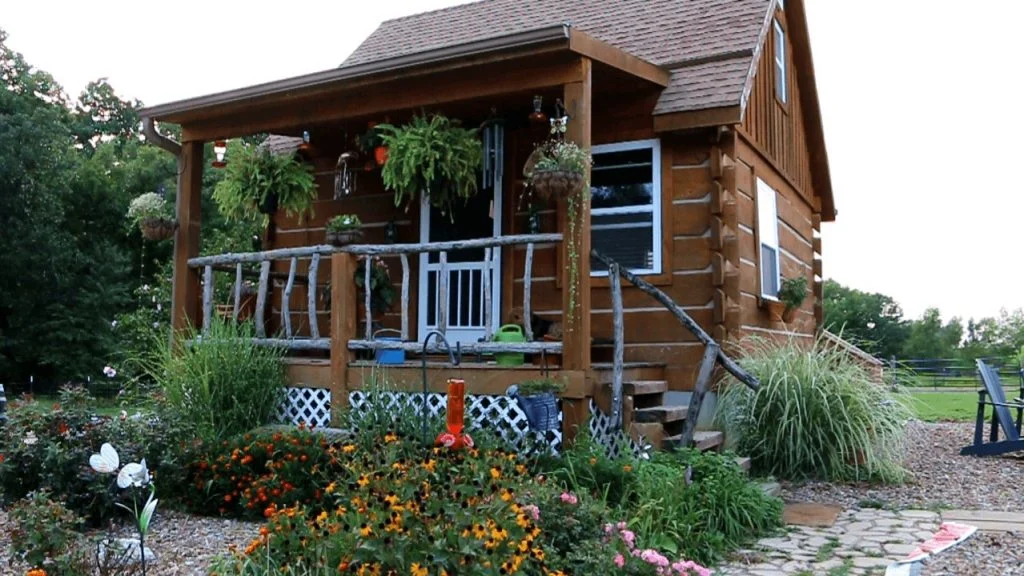
Your home should be designed for efficiency, durability, and comfort. Many choose cabins, tiny homes, yurts, or earth-sheltered houses, depending on climate and budget. Insulation, passive solar design, and ventilation are important for year-round comfort.
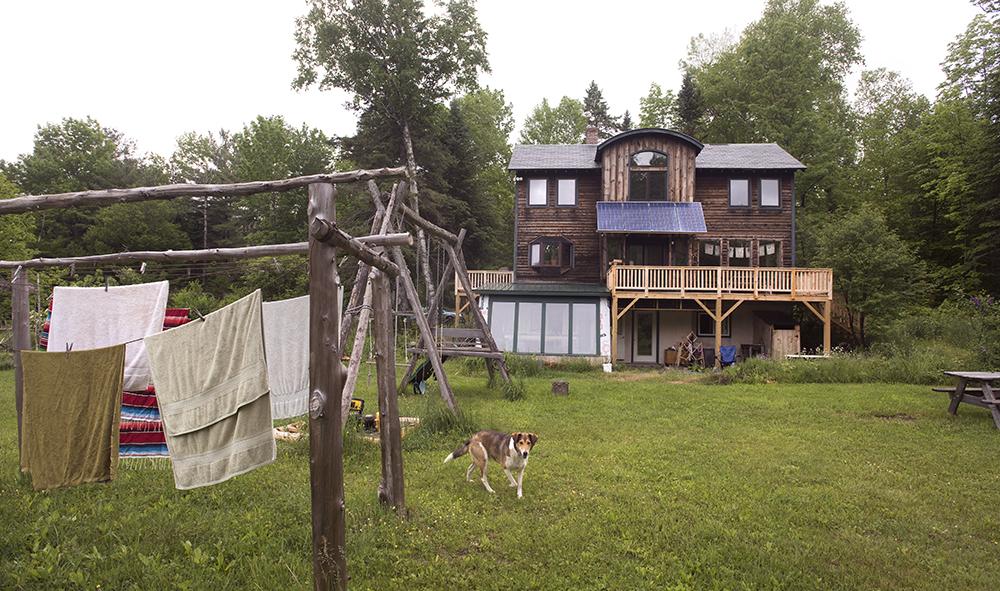
Building your own shelter can be a rewarding experience, but it’s important to avoid the mistakes new homesteaders make such as underestimating costs, overbuilding, or neglecting insulation and ventilation.
Growing Food and Raising Animals Off the Grid
Self-sufficiency in food is a key component of off-grid life. Most homesteaders combine gardening, orchards, and livestock to meet their nutritional needs.
- Vegetable gardens: Raised beds and greenhouses can extend the growing season and improve yields.
- Fruit trees and berry bushes: Provide perennial harvests with minimal inputs.
- Chickens, goats, or other livestock: Supply eggs, milk, meat, and manure for composting.
- Food preservation: Canning, drying, and fermenting help store surplus for winter months.
Investing in quality tools and infrastructure, such as raised beds or smart chicken coops, can make daily chores easier and more productive.
Staying Safe and Prepared in Remote Settings
Living away from city infrastructure means you must be proactive about safety and emergency preparedness. Key considerations include:
- First aid training and well-stocked medical kits
- Fire prevention and suppression tools
- Backup communication devices (radio, satellite phone)
- Food and water reserves for unexpected events
For a comprehensive approach, consult a disaster preparedness off-grid guide to ensure you’re ready for storms, wildfires, or medical emergencies.
Common Challenges and How to Overcome Them
Adapting to a fully self-reliant lifestyle comes with hurdles. Some of the most frequent challenges include:
- Isolation: Stay connected with neighbors or online communities for support and knowledge sharing.
- Resource management: Monitor supplies closely and develop backup plans for power, water, and food.
- Maintenance: Regularly inspect and repair systems to prevent costly breakdowns.
- Legal and regulatory issues: Stay informed about local laws and advocate for your rights as an off-grid resident.
Learning from others’ experiences, such as those who have mastered off-grid homesteading in deserts, can provide valuable insights for overcoming obstacles unique to your region.
Building Skills and Community Support
Success in off-grid living depends on a willingness to learn and adapt. Essential skills include gardening, carpentry, animal husbandry, basic electrical and plumbing, and food preservation. Attending workshops, reading books, and connecting with experienced homesteaders can accelerate your learning curve.
Don’t overlook the value of community. Even if you live remotely, building relationships with neighbors, local farmers, and online groups can provide support, bartering opportunities, and a sense of belonging.
Additional Resources for Off-Grid Success
For more detailed guidance, explore resources like the comprehensive off-grid homestead guide from Preparedness Mama. These resources offer step-by-step instructions, checklists, and real-world advice for every stage of your journey.
FAQ
What is the first step to going off-grid full time?
The initial step is thorough research and planning. Assess your motivations, budget, and skill set. Identify a suitable location with access to water and resources, and create a realistic timeline for transitioning to off-grid living.
How much money do I need to start living off the grid?
Costs vary widely based on land prices, building choices, and system complexity. Some start with a modest budget by building tiny homes and gradually adding infrastructure, while others invest more upfront. Careful planning and DIY skills can significantly reduce expenses.
Can I live off-grid with a family?
Yes, many families successfully make the switch. It requires additional planning for education, safety, and space, but children can benefit from hands-on learning and a close connection to nature. Involve the whole family in decision-making and daily tasks for the best results.