Living independently in arid regions presents unique challenges and opportunities. For those drawn to off-grid homesteading in deserts, success depends on careful planning, resourcefulness, and a deep understanding of the environment. The harsh climate, limited water, and extreme temperatures require practical solutions for daily living. This guide explores proven strategies for thriving in desert conditions, from water conservation and food production to shelter design and energy independence.
If you’re considering a move to a remote location, learning from others’ experiences can be invaluable. For a broader perspective on making the shift, see transitioning to off-grid life for practical advice on preparing for self-sufficiency.
Understanding the Desert Environment
Before establishing a homestead in the desert, it’s crucial to study the local climate, soil, and wildlife. Deserts are defined by low rainfall, high evaporation rates, and temperature extremes. These factors affect everything from water management to building materials.
- Temperature swings: Days can be scorching, while nights may drop below freezing.
- Soil quality: Often sandy or rocky, with low organic matter and nutrients.
- Water scarcity: Reliable sources are rare, and rainfall is unpredictable.
By understanding these characteristics, you can make informed decisions about where and how to build, what to plant, and how to conserve resources.
Water Sourcing and Conservation for Off-Grid Desert Living
Water is the most precious resource for anyone living independently in arid regions. Effective strategies for sourcing and conserving water are essential for survival and comfort.
Harvesting Rainwater
Collecting rainwater is a primary method for supplementing water needs. Even in dry climates, occasional storms can provide significant amounts if you have the right infrastructure.
- Install gutters and downspouts on all roofs.
- Use large storage tanks or cisterns to capture runoff.
- Filter and treat water for drinking and irrigation.
Drilling Wells and Hauling Water
In some locations, drilling a well may be possible, but groundwater can be deep or saline. Research local geology and regulations before investing. Alternatively, some homesteaders haul water from nearby towns, storing it in large tanks.
Conservation Techniques
- Use low-flow fixtures and composting toilets to reduce usage.
- Recycle greywater from sinks and showers for irrigation.
- Mulch gardens heavily to retain soil moisture.
Food Production and Gardening in Arid Climates
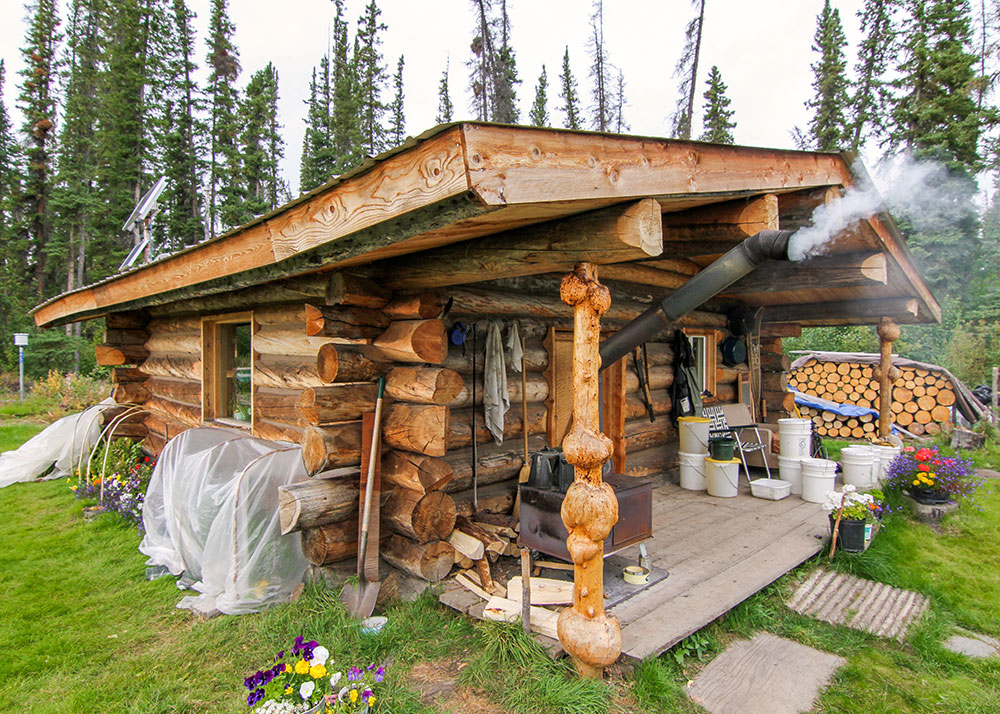
Growing food in the desert requires adapting to the environment. Selecting drought-tolerant crops and using efficient gardening methods can make a big difference.
Choosing the Right Crops
Focus on vegetables and fruits that naturally thrive in hot, dry conditions. Examples include:
- Okra, amaranth, and black-eyed peas
- Melons, squash, and tomatoes
- Herbs like rosemary, thyme, and sage
Efficient Gardening Methods
- Raised beds and wicking beds minimize evaporation and maximize water use.
- Shade cloth and windbreaks protect plants from sun and drying winds.
- Drip irrigation delivers water directly to roots, reducing waste.
For those interested in learning more about growing food and managing resources, this comprehensive guide to off-grid homesteading covers additional tips for self-reliant living.
Building and Shelter Strategies for Arid Homesteads
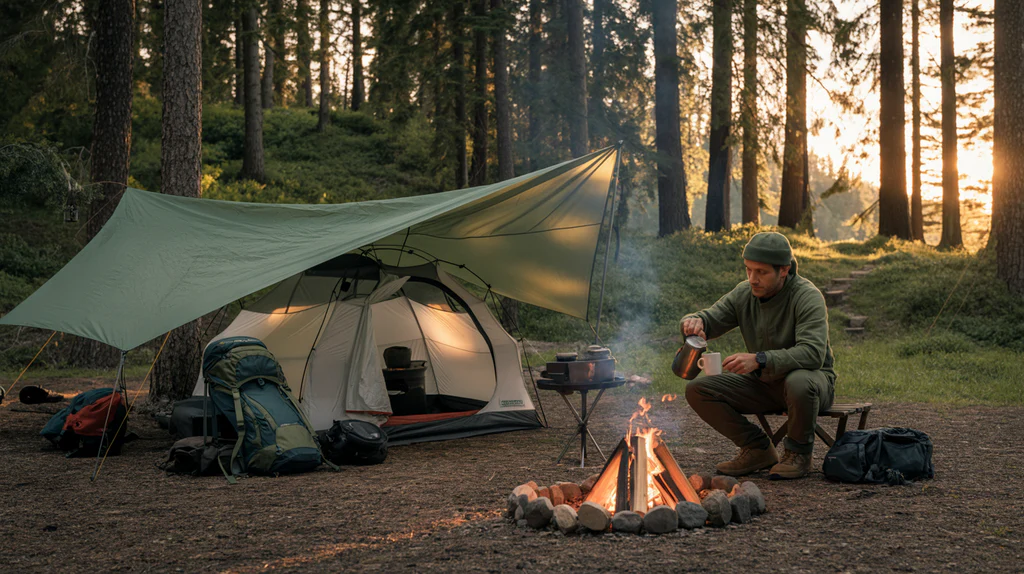
Shelter design is critical for comfort and energy efficiency in desert environments. Structures must withstand heat, cold, and wind while minimizing energy use.
Passive Cooling and Heating
- Build with thick, insulating materials like adobe, earthbags, or straw bales.
- Orient buildings to minimize sun exposure in summer and maximize it in winter.
- Use overhangs, awnings, and natural ventilation to keep interiors comfortable.
Protecting Against Wind and Sand
- Plant native shrubs and trees as windbreaks.
- Seal windows and doors to prevent dust intrusion.
- Choose roofing and siding that withstands abrasive winds.
Energy Solutions for Remote Desert Homesteads
Reliable power is essential for modern comfort and productivity. In remote deserts, solar energy is often the best option due to abundant sunlight.
- Solar panels: Generate electricity for appliances, lighting, and tools.
- Battery storage: Store excess power for use at night or during cloudy periods.
- Backup generators: Provide redundancy during extended overcast weather.
For those who need to stay connected for work or family, consider exploring off-grid internet solutions to maintain reliable communication in remote settings.
Livestock and Animal Care in Arid Regions
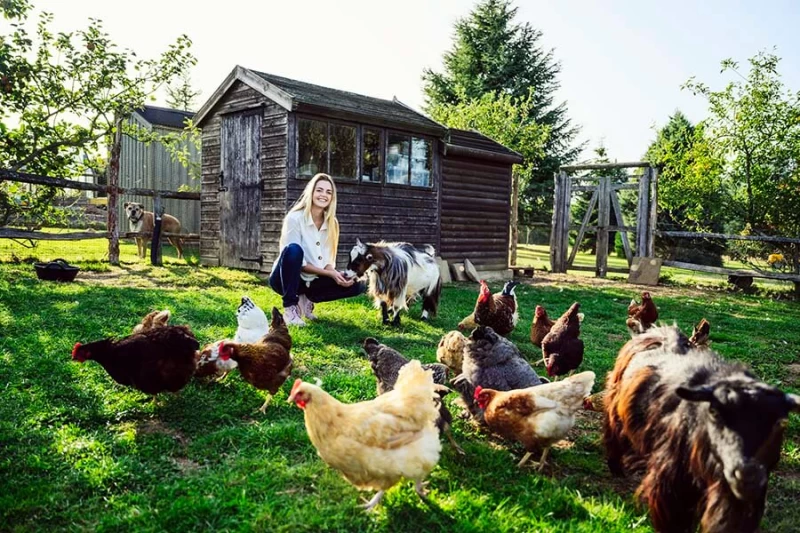
Raising animals in the desert requires careful planning. Choose breeds adapted to heat and drought, and ensure constant access to shade and water.
- Goats, sheep, and some chicken breeds are well-suited to dry climates.
- Provide sturdy shelters with good ventilation.
- Monitor animals closely for signs of heat stress or dehydration.
Community, Safety, and Long-Term Sustainability
While independence is a core value for many off-grid homesteaders, building relationships with neighbors and nearby communities can be a lifeline. Sharing resources, knowledge, and support helps everyone thrive.
- Join local groups or online forums for advice and camaraderie.
- Prepare for emergencies with backup supplies and communication plans.
- Practice sustainable land management to preserve the environment for future generations.
For more insights into common misconceptions and realities, see off-grid homesteading myths for a clear-eyed look at what to expect.
Frequently Asked Questions
What Are the Biggest Challenges of Desert Homesteading?
The main difficulties include securing a reliable water supply, managing extreme temperatures, and growing food in poor soil. Careful planning and adaptation are essential for overcoming these obstacles.
How Can I Stay Connected While Living Remotely?
Many homesteaders use satellite internet or cellular hotspots. For more options, explore remote work off-grid for tips on staying online and productive.
Is It Possible to Be Fully Self-Sufficient in the Desert?
While total self-sufficiency is challenging, especially regarding water and certain foods, many people achieve a high degree of independence by combining resourcefulness, technology, and community support.