
Reliable internet access is increasingly essential, even for those who choose to live far from urban centers. For homesteaders, remote workers, and families embracing a self-sufficient lifestyle, finding off-grid internet solutions can be the key to staying connected, managing businesses, and accessing vital information. While traditional broadband is rarely available in isolated areas, a range of technologies now make it possible to enjoy dependable connectivity almost anywhere.
This article explores the most practical ways to get online when living off the beaten path. Whether you’re setting up a new homestead or upgrading your current setup, understanding the available options will help you make informed decisions about your digital needs. For a broader look at adapting to rural life, see our guide on transitioning to off-grid life.
Understanding Connectivity Challenges in Remote Areas
Living away from city infrastructure means facing unique obstacles when it comes to internet access. Physical distance from service providers, rugged terrain, and a lack of existing cables or cell towers can all limit your choices. Weather conditions and power reliability also play a role in determining which off-grid internet solutions are practical for your location.
Before selecting a method, assess your needs: Do you require high-speed connections for work or streaming, or is basic browsing and email sufficient? Consider the number of users, devices, and whether you’ll need internet year-round or only seasonally. These factors will help narrow down the best approach for your situation.
Satellite Internet: Wide Coverage for Remote Homesteads
Satellite technology is often the first option that comes to mind for those living off the grid. Modern providers like Starlink, HughesNet, and Viasat offer service in areas where no other infrastructure exists. A small dish installed on your property connects to satellites in orbit, delivering broadband speeds that can support streaming, video calls, and more.
- Pros: Available almost everywhere, including deep rural regions.
- Cons: Higher latency, potential for weather-related disruptions, and monthly costs can be significant.
For many homesteaders, satellite remains the only viable choice for reliable, always-on connectivity. However, it’s important to research installation requirements and data caps before committing.
Cellular-Based Off-Grid Internet Solutions
Cellular networks have expanded rapidly, bringing 4G LTE and even 5G coverage to more rural areas. Using a dedicated hotspot device or a router with a SIM card, you can tap into these networks for internet access. Some off-grid residents use signal boosters or directional antennas to improve weak signals.
- Pros: Portable, often faster than satellite, and can be used on the go.
- Cons: Dependent on proximity to cell towers, data plans may have limits or throttling.
Cellular internet is ideal for those who travel between locations or need a backup connection. It’s also a good fit for seasonal cabins or mobile homes.
Fixed Wireless and Point-to-Point Systems
In some rural communities, local providers offer fixed wireless internet. This method uses a small antenna on your property to connect to a nearby tower. If you have line-of-sight to the transmitter, speeds can rival those in suburban areas. Point-to-point setups are also popular among neighbors who share a single connection across properties.
- Pros: Lower latency than satellite, often unlimited data, and stable speeds.
- Cons: Requires clear line-of-sight, limited to areas with a provider nearby.
Fixed wireless is worth investigating if you’re within range of a local tower. It’s often more affordable than satellite and less affected by weather.
DIY and Community-Based Internet Approaches
For those who enjoy hands-on projects, building a custom network using long-range Wi-Fi antennas or mesh systems can be rewarding. Some communities pool resources to create shared networks, distributing costs and improving reliability. These solutions require technical know-how but can be tailored to unique landscapes and needs.
If you’re interested in learning more about innovative homesteading technology, check out our article on modern off-grid homesteading.

Powering Your Internet Setup Off the Grid
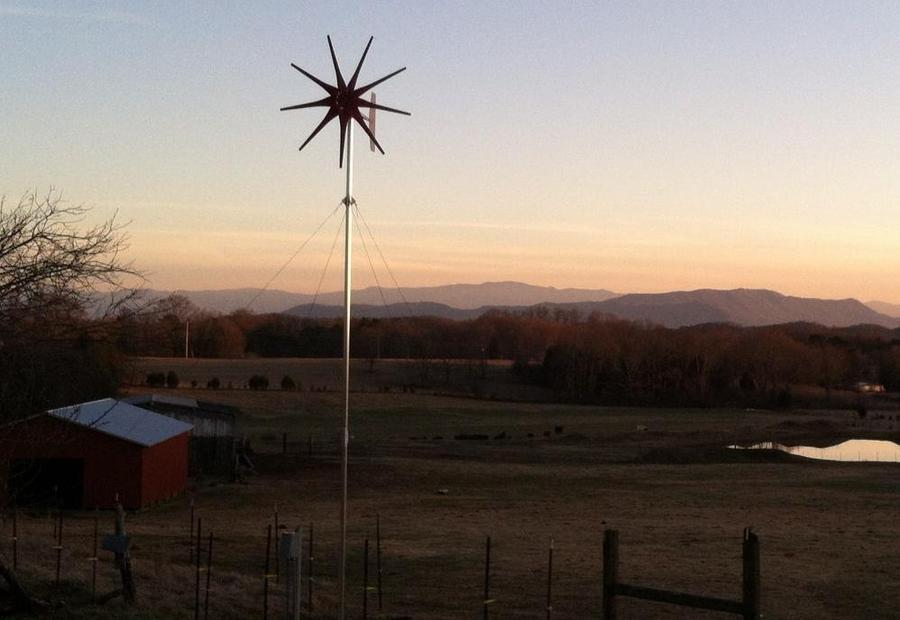
No matter which connectivity method you choose, powering your equipment is a critical consideration. Solar panels, wind turbines, or micro-hydro systems can keep routers, modems, and boosters running reliably. Use battery backups or uninterruptible power supplies (UPS) to protect against outages and voltage fluctuations.
For more on building a resilient homestead, see this step-by-step guide to off-grid homestead infrastructure.
Choosing the Right Solution for Your Needs
The best approach depends on your location, budget, and technical skills. Here’s a quick comparison:
| Method | Coverage | Speed | Cost | Best For |
|---|---|---|---|---|
| Satellite | Almost anywhere | Moderate to high | $$$ | Very remote locations |
| Cellular | Where cell service exists | High (4G/5G) | $$ | Mobile and backup use |
| Fixed Wireless | Near provider towers | High | $$ | Rural communities |
| DIY/Mesh | Customizable | Variable | $-$$ | Tech-savvy users |
Tips for Maximizing Your Off-Grid Internet Experience
- Position antennas or dishes for the clearest line-of-sight possible.
- Use surge protectors and battery backups to safeguard equipment.
- Monitor data usage to avoid overage charges or throttling.
- Consider combining two methods (e.g., satellite and cellular) for redundancy.
- Regularly update firmware on routers and modems for security and performance.
For families making the leap to rural living, our resource on off-grid living with family offers additional insights into adapting technology and routines.
Frequently Asked Questions
How reliable is satellite internet in rural locations?
Satellite connections have improved greatly, offering consistent speeds in most weather conditions. However, heavy rain or snow can still cause brief interruptions. For most remote properties, it’s the most widely available option.
Can I use my smartphone as a hotspot for off-grid internet?
Yes, many people use smartphones as hotspots, especially if they have strong cellular coverage. For more robust setups, a dedicated hotspot device or router with a SIM card is recommended for better performance and flexibility.
What’s the most affordable way to get online off the grid?
Costs vary by location and usage. In areas with cell coverage, prepaid data plans and a basic hotspot can be budget-friendly. DIY mesh networks or sharing a fixed wireless connection with neighbors can also reduce expenses.
Are there ways to improve weak signals in remote areas?
Yes, signal boosters, high-gain antennas, and careful positioning of equipment can all enhance reception. In some cases, mounting antennas higher or clearing obstacles can make a significant difference.
Conclusion
Staying connected while living off the grid is more achievable than ever. By understanding the range of off-grid internet solutions available, you can select the best fit for your homestead or remote property. Whether you choose satellite, cellular, fixed wireless, or a custom-built network, planning ahead and investing in reliable power will ensure you remain online and informed, no matter how far from the city you roam.
For more tips on overcoming rural challenges, see our article on challenges of off-grid living and how to overcome them.