Making the move to an off-grid lifestyle is a bold decision that comes with a unique set of rewards and obstacles. Many people are drawn to the idea of self-sufficiency, independence from utility companies, and a closer connection to nature. However, the challenges of off-grid living can be significant, ranging from technical hurdles to emotional adjustments. Understanding these difficulties and learning practical ways to address them is essential for anyone considering this path.
This article explores the most common barriers faced by those living off the grid and offers actionable solutions for each. Whether you’re planning your first homestead or looking to improve your current setup, you’ll find guidance to help you thrive. For additional inspiration and real-world advice, you might enjoy reading these off-grid living success stories from others who have made the leap.
Energy Independence: Powering Your Off-Grid Home
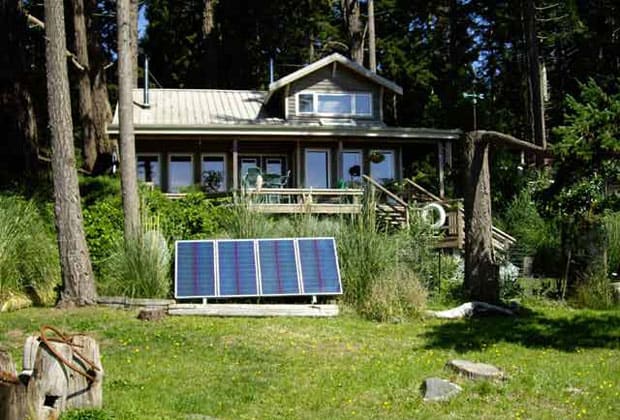
One of the first and most pressing off-grid living challenges is establishing a reliable energy source. Without access to the electrical grid, you must generate and store your own power—typically through solar panels, wind turbines, or generators. Each method comes with its own learning curve and maintenance requirements.
- Solar Power: While solar panels are popular, they require a significant upfront investment and work best in areas with consistent sunlight. Battery banks are essential for storing excess energy for nighttime or cloudy days.
- Wind and Hydro: Wind turbines and micro-hydro systems can supplement solar, but they depend on local geography and weather patterns.
- Generators: Gas or diesel generators provide backup power but add fuel costs and maintenance needs.
To overcome these obstacles, start by accurately assessing your energy needs. Invest in energy-efficient appliances and LED lighting to reduce consumption. Diversify your energy sources if possible, and regularly maintain your equipment to prevent unexpected outages. For more in-depth tips, check out this comprehensive guide to off-grid homesteading essentials.
Water Access and Purification Solutions
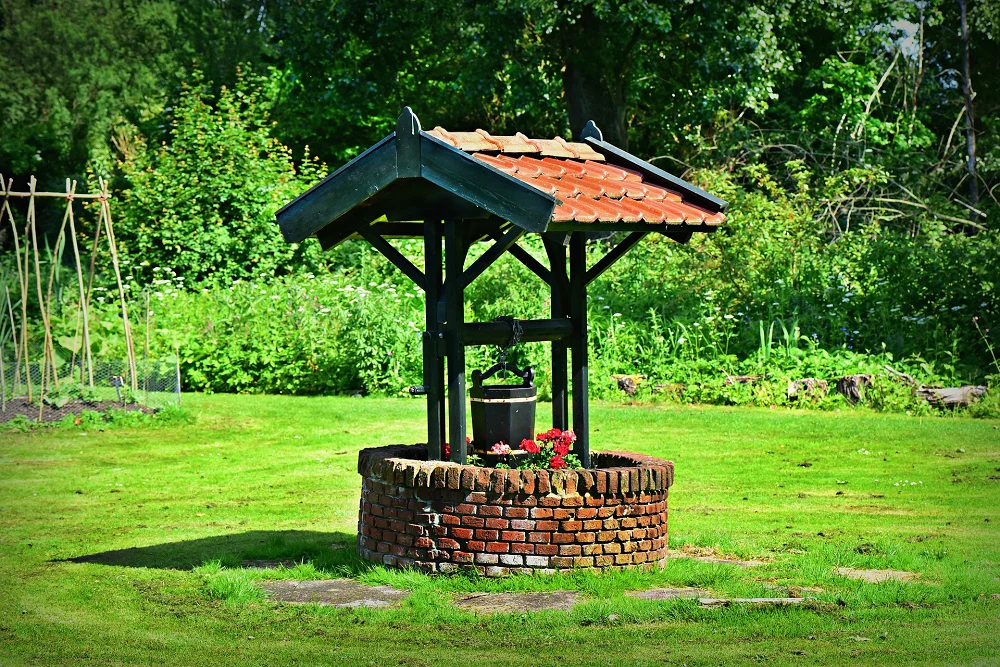
Securing a dependable water supply is another major concern for those living independently. Wells, rainwater harvesting, and surface water sources each have their own pros and cons. Water scarcity, contamination, and seasonal fluctuations can all impact your daily life.
To address these issues:
- Test your water source regularly for contaminants.
- Install filtration and purification systems, such as UV purifiers or ceramic filters.
- Design your rainwater collection system with adequate storage for dry spells.
- Practice water conservation through low-flow fixtures and mindful usage.
Many off-grid residents also build redundancy into their systems, such as having both a well and rainwater catchment. This ensures a backup in case one source fails.
Food Production and Storage in Remote Settings
Growing and preserving your own food is both a necessity and a rewarding part of self-sufficient living. However, unpredictable weather, pests, and limited growing seasons can make food security a challenge.
- Start with crops suited to your climate and soil conditions.
- Use raised beds and greenhouses to extend your growing season and protect plants.
- Invest in proper food storage solutions, such as root cellars, canning supplies, and dehydrators.
- Consider raising chickens or small livestock for eggs and meat, but be prepared for the extra work and infrastructure they require.
For more ideas on building independence, see these self-sufficient homestead ideas.
Managing Waste and Sanitation Off the Grid
Proper waste management is critical for health and environmental reasons. Without municipal services, you’ll need to handle both human and household waste responsibly.
- Composting Toilets: These are a popular choice, but require regular maintenance and understanding of composting principles.
- Greywater Systems: Reusing water from sinks and showers for irrigation can reduce waste and conserve resources.
- Trash and Recycling: Minimize waste by buying in bulk, reusing materials, and composting organic matter. Plan for occasional trips to recycling centers or landfills.
Research local regulations before installing any waste system, as rules can vary by region.
Emotional and Social Aspects of Remote Living
Beyond the physical and technical aspects, the challenges of off-grid living also include emotional and social adjustments. Isolation, limited access to services, and the constant need for problem-solving can take a toll on mental health.
Building resilience is key. Stay connected with friends and family through regular calls or visits. Join online communities of like-minded individuals for support and advice. Establish routines that include time for relaxation, hobbies, and self-care. For more on this topic, read about mental health off-grid living to learn strategies for maintaining well-being.
Building Resilience and Adapting to Change
Flexibility and a willingness to learn are essential traits for anyone living off the grid. Weather events, equipment failures, and unexpected expenses are inevitable. The ability to adapt, troubleshoot, and remain positive will make a significant difference in your experience.
Many successful off-grid homesteaders recommend:
- Keeping a well-stocked toolkit and spare parts for critical systems.
- Documenting your systems and maintenance schedules.
- Continuing to educate yourself through books, online resources, and community workshops.
For more insights on thriving in any environment, see this article on resilience off-grid living.
Reducing Environmental Impact While Living Off the Grid
A major motivation for many is to lower their ecological footprint. However, it’s important to recognize that some off-grid solutions—such as generators or imported building materials—can have unintended environmental consequences.
- Choose renewable energy whenever possible.
- Use locally sourced, sustainable materials for construction and repairs.
- Compost organic waste and minimize single-use plastics.
- Monitor your resource consumption and look for ways to improve efficiency.
For a deeper dive into this topic, see the article on the carbon footprint off-grid living.
Frequently Asked Questions
What is the biggest challenge for most people living off the grid?
The most significant obstacle is often establishing and maintaining reliable systems for power, water, and food. Each requires ongoing attention, investment, and learning. Emotional adjustment to isolation and self-reliance can also be a major factor.
How much does it cost to set up an off-grid homestead?
Initial costs vary widely based on location, land, infrastructure, and chosen technologies. Solar power systems, wells, septic, and building materials can add up quickly. However, many find that ongoing expenses are lower once the systems are in place.
Can you live off-grid and still have internet and phone service?
Yes, many off-grid homes use satellite internet, cellular hotspots, or long-range Wi-Fi antennas. Service quality depends on location, but most people can maintain basic connectivity for communication, work, and entertainment.