
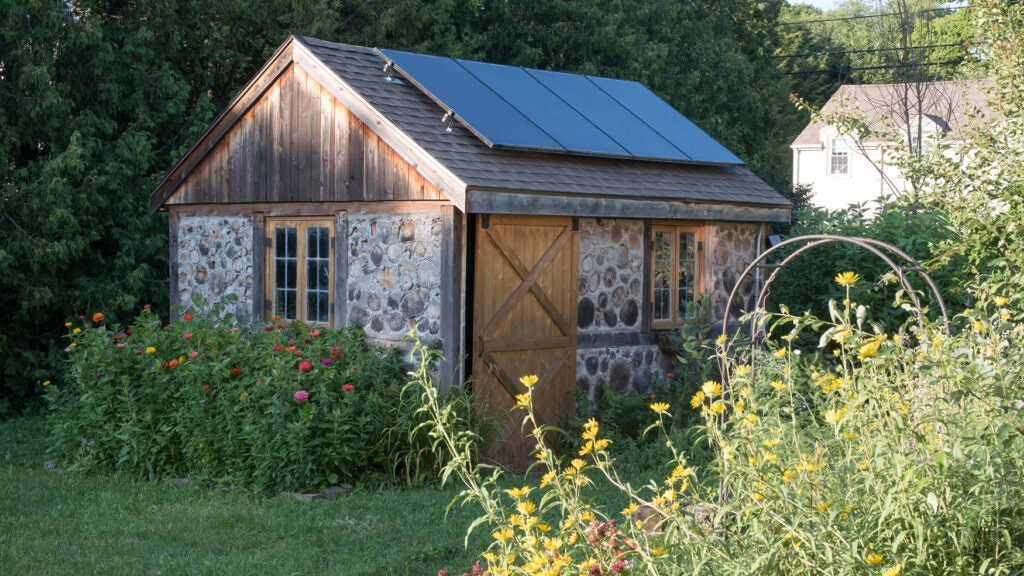
Choosing to live off the grid is a significant lifestyle shift that goes beyond energy independence and sustainable practices. For many, it’s a conscious decision to seek a slower pace, reconnect with nature, and foster a sense of autonomy. But what does this mean for mental health off-grid living? This article explores the psychological impacts, benefits, and challenges of embracing life away from conventional infrastructure, and offers practical advice for nurturing wellbeing in a remote, self-sufficient setting.
While the idea of unplugging from modern society can be appealing, it’s important to recognize both the rewards and the complexities involved. From increased self-reliance to the risk of isolation, understanding the mental and emotional landscape of off-grid living is essential for anyone considering or currently navigating this path.
Building resilience off-grid living is a crucial part of maintaining emotional balance and thriving in a remote environment. By understanding the unique factors that influence psychological wellbeing in these settings, you can better prepare for the journey and cultivate a fulfilling, healthy lifestyle.
The Psychological Benefits of Living Off the Grid
Many people are drawn to off-grid life for its potential to reduce stress and increase satisfaction. The daily routines of growing food, tending animals, and managing resources can foster a sense of purpose and accomplishment. Here are some of the key ways that a self-sufficient lifestyle can support mental health off-grid living:
- Connection with Nature: Spending more time outdoors and engaging in hands-on activities has been shown to lower anxiety and improve mood.
- Mindful Living: The slower pace and intentional routines encourage mindfulness, which can help reduce negative thought patterns and promote emotional regulation.
- Autonomy and Control: Making decisions about your own food, energy, and shelter can boost self-esteem and foster a sense of empowerment.
- Physical Activity: Daily chores and land management keep you active, which is closely linked to improved mental health.

Potential Challenges to Emotional Wellbeing
While there are many positives, it’s important to acknowledge the mental and emotional hurdles that can arise. Some of the most common challenges faced by those living off the grid include:
- Isolation: Remote locations can limit social interaction, leading to feelings of loneliness or disconnection.
- Unpredictable Stressors: Weather events, equipment failures, and resource shortages can cause anxiety and frustration.
- Physical Demands: The work involved can be exhausting, especially during difficult seasons or emergencies.
- Lack of Access to Services: Distance from healthcare and support networks can make it harder to address mental health needs promptly.
Recognizing these potential difficulties allows you to plan ahead and develop strategies for coping. Building a strong support system, maintaining regular communication with friends and family, and seeking out online communities can help mitigate feelings of isolation.
Strategies for Supporting Mental Health in Remote Settings
Proactively caring for your emotional wellbeing is essential for a positive experience in off-grid environments. Here are practical tips for maintaining balance and resilience:
- Establish Routines: Consistent daily habits, such as morning walks or evening reflection, provide structure and stability.
- Stay Connected: Use technology to keep in touch with loved ones and participate in online forums or groups focused on homesteading and self-reliance.
- Prioritize Self-Care: Make time for hobbies, relaxation, and activities that bring you joy, even if it’s just a few minutes a day.
- Seek Learning Opportunities: Engaging in new skills or projects can boost confidence and provide a sense of progress.
- Monitor Your Wellbeing: Pay attention to changes in mood, sleep, or motivation, and don’t hesitate to reach out for help if needed.
For more ideas on cultivating independence and emotional strength, explore these self-sufficient homestead ideas that encourage both practical and psychological growth.
Nature’s Role in Emotional Resilience
One of the greatest assets of off-grid life is the proximity to the natural world. Research consistently shows that regular exposure to green spaces and natural environments can reduce symptoms of depression and anxiety, improve focus, and enhance overall wellbeing. Activities like gardening, foraging, and simply observing wildlife can serve as powerful mood boosters.
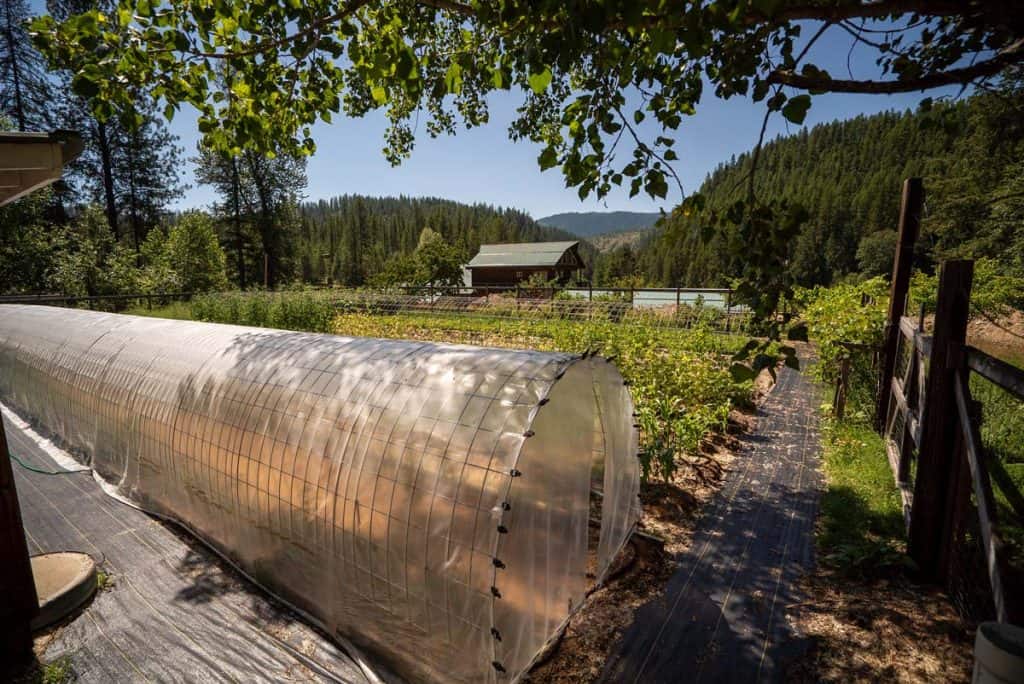
Gardening, in particular, offers a unique blend of physical activity, creativity, and connection to the land. If you’re interested in starting or expanding your own garden, consider investing in a quality raised bed to make the process more accessible and enjoyable.
Community and Connection in Off-Grid Environments
While solitude is often part of the appeal, building community—whether locally or virtually—can be a vital part of sustaining mental health off-grid living. Sharing knowledge, resources, and encouragement with others who understand the unique challenges of this lifestyle can reduce feelings of isolation and provide practical support.
Many off-grid residents find value in attending local markets, joining cooperative projects, or participating in online groups dedicated to sustainable living. For those new to this lifestyle, resources like homesteading guides and community forums offer valuable insights and a sense of belonging.
If you’re interested in making your homestead more environmentally friendly, check out these eco-friendly homesteading practices that support both personal and planetary health.
Long-Term Wellbeing and Sustainable Habits
Maintaining mental and emotional health is an ongoing process, especially in a setting that demands adaptability and resourcefulness. Here are a few long-term strategies for sustaining wellbeing:
- Set Realistic Goals: Celebrate small victories and allow yourself grace during setbacks.
- Embrace Flexibility: Adapt routines and expectations as seasons and circumstances change.
- Invest in Your Environment: Create comfortable, functional spaces that support relaxation and creativity.
- Stay Informed: Continue learning about sustainable off-grid living for a greener future, and seek out new ways to improve your experience.
For those interested in reducing their environmental impact, understanding the carbon footprint of off-grid living can help you make informed decisions that benefit both your wellbeing and the planet.
Frequently Asked Questions
How does living off the grid affect mental health?
Living off the grid can offer significant mental health benefits, including reduced stress, increased mindfulness, and a stronger sense of purpose. However, it can also present challenges such as isolation and increased responsibility. Proactive self-care and community connection are key to maintaining emotional balance.
What are the best ways to prevent loneliness in remote settings?
Staying connected with friends and family through calls or online platforms, participating in local or virtual communities, and engaging in meaningful daily routines can help prevent loneliness. Building relationships with neighbors and joining homesteading groups also provide valuable support.
Can gardening improve psychological wellbeing?
Yes, gardening is known to boost mood, reduce anxiety, and foster a sense of accomplishment. The combination of physical activity, time outdoors, and nurturing living things makes it a powerful tool for supporting mental health, especially in off-grid environments.
Are there resources for learning more about off-grid living and wellbeing?
Absolutely. There are many online guides, forums, and books dedicated to sustainable living, homesteading, and emotional resilience. Exploring resources such as sustainable off-grid living can provide valuable insights and community support.